Table of Contents >> Show >> Hide
- What You’ll Make (And What You Won’t)
- Materials & Tools
- Birdhouse Design Rules That Still Matter (Even When It’s Cardboard)
- Recommended Dimensions for a “Small Songbird” Style Box
- Step-by-Step: Cereal Box Birdhouse DIY
- Step 1: Plan your birdhouse template
- Step 2: Cut and reinforce the floor
- Step 3: Add drainage “notches,” not giant holes
- Step 4: Cut the entrance hole (choose a real size)
- Step 5: Create ventilation near the roofline
- Step 6: Assemble the walls
- Step 7: Add an interior “climbing strip”
- Step 8: Build a roof that actually protects the house
- Step 9: Weather-resistance upgrade (optional, exterior only)
- Step 10: Mounting without turning your birdhouse into confetti
- Where to Place It (So It Has a Chance)
- Maintenance: Cleaning and Safety
- Common Mistakes (And How to Avoid Them)
- Making It Look Amazing Without Making It Unsafe
- When to Choose Wood Instead (A Friendly Reality Check)
- Extra: Real-World Crafting Experiences With Cereal Box Birdhouses (About )
You know that moment when you finish a box of cereal and think, “Wow, this cardboard is way too sturdy to just…
recycle”? (Don’t worry, I’m not judging. I’m applauding.) Welcome to the wonderfully weird world of the
cereal box birdhouse DIY: part upcycle, part weekend craft, part “I can’t believe this actually looks cute.”
Before we grab the glue, a quick reality check: a cereal-box birdhouse is usually best as a
decorative birdhouse, a kid-friendly nature craft, or a “starter prototype” you can later rebuild in wood.
Cardboard and weather are not exactly soulmates. That said, with smart design choices (and realistic expectations),
you can make a birdhouse that’s charming, functional for short-term use in sheltered spots, and genuinely
educationalbecause you’ll be building it the way birds actually prefer.
What You’ll Make (And What You Won’t)
Perfect for:
- A cute backyard decoration that teaches birdhouse basics
- A school project about cavity-nesting birds
- Testing birdhouse shape/size before building a wooden version
- A sheltered porch or covered patio “birdhouse village” look
Not ideal for:
- Long-term outdoor nesting in rain, snow, or full sun
- High-predator areas where raccoons/squirrels treat birdhouses like vending machines
- Any situation where paint, sealant, glitter, or fumes could end up inside the nest space
Materials & Tools
Cardboard + structure
- 1 large cereal box (family size gives you more room to work)
- Optional: extra corrugated cardboard (shipping box) for reinforcing roof and base
- Craft stick(s) or a spare piece of cardboard for interior bracing
Fasteners + adhesives
- White glue (PVA) or tacky craft glue
- Painter’s tape or masking tape (for holding seams while drying)
- Optional: hot glue (use sparinglygreat for quick tacks, not always the strongest long-term seam)
Cutting + measuring
- Scissors
- Craft knife + cutting mat (recommended for clean cuts)
- Ruler
- Pencil
- Hole cutter options: compass cutter, craft knife, or a marker cap as a tracing template
Finishing
- Water-based acrylic paint (low odor)
- Brushes
- Optional: water-based exterior sealer for the outside only
- Optional: sandpaper (light grit) for smoothing edges
Bird-safety note: If you plan for any bird to actually use this, avoid painting or sealing the inside.
Keep the interior plain cardboard and dry. Also skip glitter, loose beads, fake moss, and anything that can flake,
tangle, or end up as “mystery nesting material.”
Birdhouse Design Rules That Still Matter (Even When It’s Cardboard)
If you’ve ever seen a birdhouse with a cute little perch, you’ve witnessed a human decorating choicenot a bird’s
request. Real birdhouse guidance consistently favors practical features over “birdhouse vibes.”
1) No perch
Many cavity-nesting birds don’t need a perch to enter. Perches can make it easier for predators or invasive birds
to bother the nest. So yes, your birdhouse can be adorable without the tiny dowel “front porch.”
2) Drainage + ventilation
Nest boxes work better when excess moisture can escape and heat can vent. Even for cardboard, mimic this with
small ventilation holes near the top side walls and drainage openings in the floor. (More on how to do this without
turning your birdhouse into Swiss cheese below.)
3) Correct entrance-hole size
Hole size helps determine who can nestand who can’t. For many small songbirds, a smaller hole is a feature, not a
bug. If you’re making this as a decorative craft, you can still choose a realistic hole size for your area and learn
what it attracts.
4) A rough-ish interior “ladder”
Young birds need traction to climb out. In wood boxes, builders often rough up the interior or add grooves.
With cardboard, you can glue a strip of corrugated cardboard (ridges exposed) on the inside front wall beneath the hole.
5) A roof that overhangs
Overhang helps shed water away from the opening and walls. Cardboard especially benefits from a roof that acts like
a little umbrella.
Recommended Dimensions for a “Small Songbird” Style Box
Because cereal boxes vary, you’re aiming for proportions more than perfection. A common small-bird nest box has a
floor around 4″ x 4″, with enough depth that the entrance hole sits several inches above the floor.
You can build a compact version using your cereal box panels and a reinforced base.
Simple build target (adjust as needed)
- Floor: about 4″ x 4″
- Interior height: 8″ to 10″
- Entrance-hole height: 6″ to 8″ above the floor (varies by species)
- Roof: pitched, with at least 1/2″ overhang on all sides (1″ is even better)
If your cereal box is smaller, scale down slightlybut keep the idea of a deep cavity and an entrance hole well above
the floor. Depth helps protect chicks from weather and makes life harder for predators reaching inside.
Step-by-Step: Cereal Box Birdhouse DIY
Step 1: Plan your birdhouse template
Think “simple cottage,” not “architectural masterpiece.” You need:
two side walls, a front, a back, a floor, and two roof panels.
- Front & back: rectangles with a triangle peak (for a pitched roof)
- Sides: simple rectangles
- Floor: square (reinforced)
- Roof panels: two rectangles that meet at the peak
Pro tip: draw your shapes on the inside (unprinted) side of the cardboard when possible. It’s easier to mark and looks neater.
Step 2: Cut and reinforce the floor
Cardboard floors are the first thing to sag if moisture appears. Cut one 4″ x 4″ square as your floor, then cut a second
identical square and glue them together (crossing the grain direction if possible). If you have corrugated cardboard,
use it as one of the layers.
Step 3: Add drainage “notches,” not giant holes
For cardboard, tiny holes can weaken the floor. Instead, snip small triangles from each corner of the floor piece
(think: a pencil eraser-sized bite). This creates drainage gaps while keeping the floor structurally stronger.
Step 4: Cut the entrance hole (choose a real size)
If you want realism, pick a hole size for a small bird you might actually see. Common examples:
- 1 1/8″ hole: chickadees and some wrens
- 1 1/4″ hole: titmice; some species of nuthatch preferences vary
- 1 1/2″ hole: bluebirds and Carolina wrens (and also big enough that some unwanted visitors may try their luck)
Trace a circle using a cap, coin, or compass, then cut carefully with a craft knife. Keep the cut edge smoothragged cardboard
can absorb moisture faster.
Step 5: Create ventilation near the roofline
Punch or poke two small holes on each side wall near the top, just below where the roof will sit. Keep them small and symmetrical.
You’re aiming for “air exchange,” not “drafty barn.”
Step 6: Assemble the walls
- Glue the sides to the front panel and tape the seams while they dry.
- Add the back panel and tape those seams too.
- Once the wall box is stable, glue it onto the reinforced floor.
If you want extra strength, glue craft sticks or thin cardboard strips along the inside corners like tiny support beams.
Your future self will thank you when you pick it up and it doesn’t do the cardboard equivalent of folding like a lawn chair.
Step 7: Add an interior “climbing strip”
Cut a 1″ wide strip of corrugated cardboard, 4″ to 5″ long. Glue it vertically on the inside front wall beneath the entrance hole
with ridges facing outward. This creates traction for fledglings.
Step 8: Build a roof that actually protects the house
Cut two roof panels so they meet at the peak and overhang the walls. Reinforce each roof panel by gluing a second layer
of cardboard underneath. If you’re painting, the roof is where you can safely be a little extrabecause it takes the most weather.
Glue the roof panels in place. Use tape to hold them while drying. If you want a removable roof for cleaning (more realistic),
you can hinge one roof panel with painter’s tape and use a small tab of tape inside to keep it closed.
Step 9: Weather-resistance upgrade (optional, exterior only)
For a decorative birdhouse living outdoors under a covered area, you can improve durability:
- Paint the outside only with water-based acrylic paint.
- Seal the outside only with a low-odor, water-based protective topcoat designed for outdoor use.
- Let it cure fully before placing outside.
If you want the “looks like wood” vibe, paint in muted, earthy tones. Loud neon can be fun for humans, but birds often prefer subtle,
natural-looking boxes that blend in.
Step 10: Mounting without turning your birdhouse into confetti
Cardboard can’t handle nails or screws the way wood can. Try one of these:
- String hanger: Punch two holes near the top of the back panel and run twine through (best under a porch).
- Backer board: Glue your birdhouse to a thin piece of scrap wood, then mount the wood (the wood takes the stress).
- Decor-only pole: Mount it where it’s visible but sheltered, not exposed to rain.
If you’re aiming for real nesting, a wooden backer board plus predator baffle on a pole is a much more bird-safe setup than hanging.
For a cereal-box build, treat “real nesting use” as experimental and keep it sheltered.
Where to Place It (So It Has a Chance)
For functional birdhouses, placement matters as much as construction. General best practices often include:
placing the entrance away from prevailing winds, keeping the box stable, and choosing habitat that matches the species you hope to attract
(open areas for bluebirds, more cover for chickadees and wrens).
For a cardboard house, add one more rule: shelter is everything. Think covered porch, under eaves, or a protected spot that avoids
direct rain and harsh afternoon sun.
Spacing tips
Many cavity nesters are territorial. One box in a good spot often beats five boxes clustered together like a birdhouse condo complex no one asked for.
Maintenance: Cleaning and Safety
Real nest boxes are often cleaned after the breeding season, especially if they’ve been occupied by rodents or if old material could attract pests.
If you made a cereal box version as decor, maintenance is simple: keep it dry and bring it in if storms are coming.
If you suspect it was used by wildlife
- Wear gloves and a mask before handling old nesting material.
- Remove material gently.
- For cardboard: avoid soaking or harsh cleanersdry brushing is safer for the structure.
If your goal is to truly host nesting birds year after year, the best “upgrade path” is to treat your cereal-box build as a prototype.
Once you love the shape and size, rebuild it in untreated wood with proper thickness, drainage, ventilation, and predator protection.
Common Mistakes (And How to Avoid Them)
Making the hole “whatever looks cute”
Hole size is one of the biggest factors in who can use a box. If you’re building for realism, choose intentionally.
Adding a perch
It feels right to humans. Birds don’t need it, and it can help unwanted visitors.
Painting or sealing the inside
Keep the inside plain and dry. If you’re using sealant at all, apply it to the exterior only and let it fully cure.
Skipping reinforcement
A single layer of cereal-box cardboard is brave, but not that brave. Reinforce the floor and roof at minimum.
Making It Look Amazing Without Making It Unsafe
You can absolutely make your DIY cereal box birdhouse look like it belongs in a boutique garden shop (minus the $42 price tag).
Try these bird-safer design choices:
- Paint outside only in soft neutrals (sage, taupe, slate, cream).
- Add “wood plank” lines using a fine brushno chunky glued-on decorations.
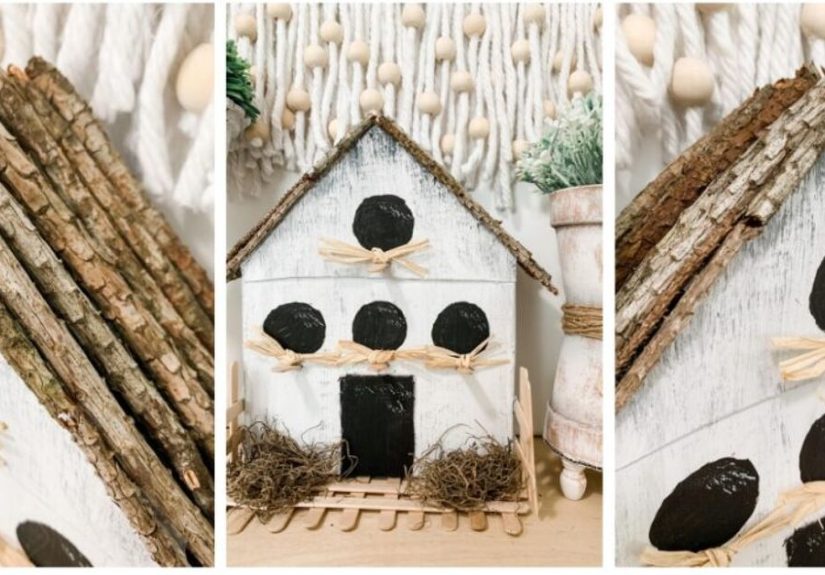
- Create a faux shingles roof by layering thin cardboard strips (again: outside only).
- Use stencils for simple shapes instead of adding loose parts.
If you want a theme (modern farmhouse, cottagecore, spooky haunted birdhouse), keep the interior boring.
The outside can be the star; the inside should be a clean, safe cave.
When to Choose Wood Instead (A Friendly Reality Check)
If you’re truly hoping to support cavity-nesting birds, durable materials matter. Many birding resources recommend untreated wood,
proper drainage and ventilation, correctly sized holes, and predator protection features. Cardboard struggles with moisture, heat,
and durabilitythree things nature throws around like confetti.
The good news: your cereal-box birdhouse DIY can be the first chapter, not the whole book.
Build it, learn the design rules, enjoy it, andif you catch the birdhouse bugtranslate the same design into wood later.
Extra: Real-World Crafting Experiences With Cereal Box Birdhouses (About )
People who try a cereal box birdhouse DIY for the first time usually fall into one of two camps: the “this is going to be adorable”
optimists and the “this will collapse the moment I look at it” realists. Funny thing isboth groups are right, depending on whether you
reinforce the base. In classroom settings and weekend craft circles, the single biggest “aha” moment is discovering that a birdhouse is
basically a tiny building: the floor carries the load, the roof takes the weather, and the seams are only as strong as the glue job.
Once you double-layer the floor and roof, everything changes. Suddenly the project stops feeling like a flimsy cut-and-paste and starts
feeling like actual construction (but with less sawdust and fewer dramatic trips to the hardware store).
Another common experience: people instinctively decorate first and build second, because the cereal box is already colorful and the craft
supplies are right there whispering, “Use the glitter.” But crafters who’ve made a few of these learn a calmer order: build the structure,
test it by gently squeezing the corners, reinforce weak points, then paint. Decorating too early can make you reluctant to fix a crooked
seam (“I can’t re-glue itI already drew daisies!”). The best-looking cereal-box birdhouses are usually the ones that got a boring, sturdy
skeleton before they got their makeover.
People also tend to be surprised by how much entrance hole size affects the look. A realistic 1 1/8″ hole for a small bird can seem tiny
compared to the big “storybook birdhouse” holes you see in stores. But once you commit to a real size, the birdhouse starts looking more
authenticless cartoon, more nature documentary. A fun compromise some craft groups use is making two versions: one “storybook” decorative
house with a larger opening and one “bird-accurate” version that follows real nest box proportions. Side by side, the difference is
instantly educational, especially for kids.
The weather lesson arrives fast. Even when someone is carefulpainted exterior, sealed roof, hung under a porchcardboard still reacts to
humidity. In wetter climates, people notice soft corners after a few weeks. That’s why many experienced crafters treat cereal-box birdhouses
like seasonal decor: they come out in spring, look charming for a stretch, and then retire indoors before heavy storms. Some even keep a
“birdhouse box” (yes, a box for birdhouses) where last year’s creations get stored flat or gently nested like weird little cardboard dolls.
Finally, one of the most satisfying experiences is using the cereal-box build as a prototype. Hobbyists often sketch a design, build the
cardboard version in an afternoon, realize the roof needs more overhang or the door should open for cleaning, and then apply those lessons
when making a wooden box later. In that sense, cereal-box birdhouses are like the training wheels of nest box building: they’re cheap,
forgiving, and great for learning what works. And even if it never hosts a single feathered tenant, it can still do something valuable:
make you notice birds morewhere they perch, what habitat they choose, and how surprisingly picky they are about real estate.