Table of Contents >> Show >> Hide
- What Is Butcher’s Broom?
- How Butcher’s Broom May Work
- Potential Benefits of Butcher’s Broom
- 1. It may help symptoms of chronic venous insufficiency
- 2. It may reduce mild swelling and edema
- 3. It may help with hemorrhoid symptoms, but the evidence is thinner
- 4. It has anti-inflammatory potential, but that is not the same as proven treatment
- 5. Other uses are mostly preliminary or traditional
- Side Effects of Butcher’s Broom
- Butcher’s Broom Dosage
- How to Choose a Butcher’s Broom Supplement
- When Butcher’s Broom Is Not Enough
- Experiences With Butcher’s Broom: What Real-World Use Often Looks Like
- Final Thoughts
- SEO Tags
Note: This article is for informational purposes only and is not a substitute for medical advice, diagnosis, or treatment.
Butcher’s broom sounds less like an herbal supplement and more like something hanging in a medieval hardware shop. But behind the oddly dramatic name is Ruscus aculeatus, a thorny evergreen shrub that has been used for centuries in traditional medicine, especially for circulation-related complaints. Today, it most often shows up in supplements marketed for heavy legs, varicose vein symptoms, swelling, hemorrhoids, and general vein support.
So, is butcher’s broom the real deal, or just another capsule making big promises with tiny fine print? The honest answer sits somewhere in the middle. Research suggests it may help some symptoms tied to poor venous circulation, particularly chronic venous insufficiency. But that does not mean it is a cure-all, and it definitely does not earn a free pass just because it is “natural.” Plants can be powerful. So can side effects, interactions, and bad supplement shopping decisions.
This guide breaks down what butcher’s broom is, how it may work, its potential benefits, known side effects, dosage ranges used in studies, and what real-world use often looks like. In other words, everything you wanted to know about this prickly little plant without needing a botany degree or a wizard’s robe.
What Is Butcher’s Broom?
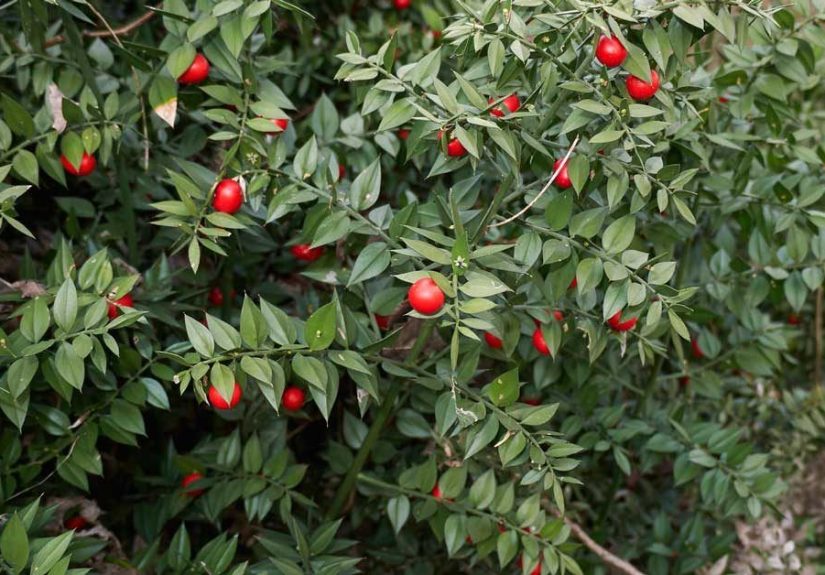
Butcher’s broom is a small evergreen shrub native to parts of Europe and the Mediterranean region. The part most commonly used in supplements is the root or rhizome. Historically, it was used for a mix of folk remedies, including support for circulation, swelling, constipation, and urinary complaints. Its common name comes from the old practice of bundling the stiff branches into rough brooms used by butchers to clean chopping blocks.
Modern supplements focus mostly on the plant’s active compounds, especially steroidal saponins called ruscogenin and neoruscogenin. These compounds are believed to influence blood vessel tone and may also have mild anti-inflammatory effects. That is why butcher’s broom is often discussed in the same conversation as vein health, leg heaviness, edema, and hemorrhoid support.
How Butcher’s Broom May Work
Butcher’s broom is thought to work in a few ways. First, it may help veins constrict slightly, which can support the return of blood from the legs back toward the heart. That matters in conditions like chronic venous insufficiency, where blood tends to pool in the lower legs instead of moving efficiently upward.
Second, some compounds in butcher’s broom may reduce leakage from small blood vessels and may help support lymphatic flow. In plain English, that means it may help with that puffy, heavy, end-of-day feeling some people get in their lower legs and ankles.
Third, lab data suggests butcher’s broom compounds may have anti-inflammatory effects. That sounds impressive, and it is biologically interesting, but lab findings are not the same thing as proving a major benefit in real people. So while the mechanism is plausible, the real-world evidence is strongest for circulation-related symptoms, not for every wellness claim printed on a supplement bottle.
Potential Benefits of Butcher’s Broom
1. It may help symptoms of chronic venous insufficiency
Chronic venous insufficiency, or CVI, happens when leg veins have trouble sending blood back to the heart. Common symptoms include heaviness, aching, swelling, itching, cramping, and a tired-leg feeling that gets worse after long periods of standing or sitting.
This is the area where butcher’s broom has the best support. Studies on butcher’s broom alone, and especially on combination products containing butcher’s broom extract plus hesperidin methyl chalcone and vitamin C, suggest it may help reduce leg heaviness, swelling, pain, and discomfort in some people with CVI. That does not mean it replaces compression socks, exercise, weight management, or evaluation for underlying vein disease. But it may serve as a supportive option for symptom relief.
If your legs feel like they worked a double shift while the rest of you was just answering emails, this is the benefit category most worth paying attention to.
2. It may reduce mild swelling and edema
Because butcher’s broom appears to support venous tone and may reduce capillary leakage, it is commonly used for mild lower-leg swelling. Some research on combination products also suggests benefits for edema related to venous or lymphatic issues.
That said, not all swelling is the same. Swollen legs can be caused by vein problems, but they can also be linked to heart disease, kidney disease, liver disease, medication side effects, infection, blood clots, or prolonged immobility. So if swelling is new, severe, one-sided, painful, or accompanied by shortness of breath, skip the supplement aisle and call a healthcare professional.
3. It may help with hemorrhoid symptoms, but the evidence is thinner
Butcher’s broom is often marketed for hemorrhoids because hemorrhoids involve swollen veins, and the herb is thought to support vein tone. Some products that combine butcher’s broom with other ingredients have shown promise for reducing discomfort, swelling, and irritation. However, the research here is much more limited than it is for CVI.
So yes, butcher’s broom may have a role in hemorrhoid support, but it should not be oversold. Hydration, fiber, avoiding straining, regular bowel habits, and proven medical treatments still do most of the heavy lifting.
4. It has anti-inflammatory potential, but that is not the same as proven treatment
Lab and preclinical research suggests ruscogenin may influence inflammatory pathways. That is one reason butcher’s broom gets mentioned in articles about inflammation and circulation. But here is the important distinction: having anti-inflammatory activity in a lab does not automatically make it a go-to anti-inflammatory supplement for people.
At this point, it is more accurate to say butcher’s broom shows potential anti-inflammatory effects than to claim it is a proven treatment for chronic inflammation in the broad, trendy, internet-marketing sense of the phrase.
5. Other uses are mostly preliminary or traditional
You may also see butcher’s broom promoted for orthostatic hypotension, lymphedema, varicose veins, constipation, and general circulation support. Some of these uses have early or indirect evidence, especially when butcher’s broom is combined with other ingredients. But for most of them, the evidence is still limited, inconsistent, or not strong enough to justify bold promises.
That is the recurring theme with this herb: promising for certain symptoms, not magical, and definitely not a substitute for a proper diagnosis.
Side Effects of Butcher’s Broom
Butcher’s broom appears to be reasonably well tolerated by many adults when used short term. Still, “well tolerated” is not the same as “side-effect free.” Some people do report issues, especially with oral supplements.
Commonly reported side effects
- Stomach discomfort
- Nausea
- Diarrhea
- Vomiting
- General digestive upset
Topical products containing butcher’s broom or ruscogenin have also been linked to allergic skin reactions in rare cases, including itchy rashes and irritation.
Rare but more serious concerns
There has been a case report involving diabetic ketoacidosis in a person with diabetes who had taken butcher’s broom. A single case report does not prove the herb was the only cause, but it is serious enough to deserve attention. People with diabetes should be especially cautious and talk with a clinician before using it.
There are also concerns that butcher’s broom may affect blood vessel tone in ways that matter if you take certain blood pressure medications or stimulant-type drugs. The interaction data is not robust, but caution is wise.
Who should avoid or use extra caution with butcher’s broom?
- People who are pregnant or breastfeeding
- Children
- People with diabetes
- People taking blood pressure medications
- People using stimulant medications or decongestants
- Anyone with significant kidney, heart, or vascular disease unless cleared by a clinician
If you are already juggling prescriptions, supplements, and three brands of magnesium because the internet got persuasive at 2 a.m., checking with a pharmacist or physician is the smart move.
Butcher’s Broom Dosage
There is no single official standard dose for butcher’s broom in the United States. Dosing depends on the form, the extract strength, and whether it is being used alone or in a combination formula.
Here are the dosage ranges commonly discussed in research and reference materials:
Common studied dosage formats
- Dried root: 1.5 to 3 grams per day
- Capsules or tablets: about 200 mg of a concentrated extract, 2 to 3 times daily
- Liquid extract: about 3 to 6 mL per day, depending on concentration
- Tincture: around 7.5 to 15 mL per day, depending on formula strength
- Standardized ruscogenins: some references describe daily intake corresponding to roughly 7 to 11 mg of ruscogenins
Many clinical studies did not use butcher’s broom by itself. Instead, they used combination products that included butcher’s broom root extract plus hesperidin methyl chalcone and vitamin C. One commonly cited formula used 150 mg butcher’s broom extract + 150 mg hesperidin + 100 mg vitamin C, taken twice daily.
That matters because a person reading about a successful study may buy a completely different supplement and expect identical results. Sadly, herbs do not work like copy-and-paste math.
How long should you take it?
Most of the better-known studies looked at short-term use, often up to about 3 months. That means short-term use is better studied than long-term, everyday use for the rest of time. If you try butcher’s broom, it makes sense to reassess after several weeks rather than treating it like a forever vitamin by default.
How to Choose a Butcher’s Broom Supplement
The supplement market can be a little like online dating: the profile may be polished, but the reality can vary wildly. When shopping for butcher’s broom, keep these basics in mind:
- Look for a product that clearly lists the plant part used, usually root or rhizome.
- Check whether the extract is standardized, especially for ruscogenins.
- See whether it is a standalone product or a combination formula with hesperidin and vitamin C.
- Choose brands that use third-party testing or quality certifications when possible.
- Avoid products making dramatic cure claims. If the label sounds like it was written by a superhero publicist, keep walking.
When Butcher’s Broom Is Not Enough
Supplements can sometimes help symptoms, but they should not distract from conditions that need real medical attention. See a clinician if you have:
- Sudden swelling in one leg
- Leg pain with warmth or redness
- Shortness of breath with swelling
- Bleeding hemorrhoids or severe rectal pain
- New dizziness or fainting
- Persistent swelling that keeps getting worse
Those symptoms are not “maybe try an herb and circle back in six months” territory.
Experiences With Butcher’s Broom: What Real-World Use Often Looks Like
In real life, people who try butcher’s broom usually are not chasing vague “wellness.” They are often dealing with something annoyingly specific: legs that feel heavy by late afternoon, ankle swelling after standing all day, visible varicose veins, a puffy feeling during travel, or the kind of hemorrhoid flare that makes sitting feel like a bad life choice. That matters, because experiences with butcher’s broom tend to be judged symptom by symptom, not by some dramatic overnight transformation.
A common experience is that the herb feels subtle rather than dramatic. People who believe it helps often describe less heaviness, less end-of-day tightness in the calves, or fewer “my socks left a map on my ankles” moments. Some say the difference is most noticeable after long periods of standing, hot weather, or travel. Others notice no difference at all, which is honestly how supplements often work in the wild: one person swears by it, another shrugs and moves on.
Another real-world pattern is that butcher’s broom seems to work best when it is part of a bigger plan. People who report the most benefit are often also wearing compression socks, walking more, elevating their legs, staying hydrated, or addressing constipation and fiber intake if hemorrhoids are part of the picture. In other words, the herb may play backup singer better than lead vocalist.
Some users also find that combination products seem more helpful than butcher’s broom alone. That tracks with the research, since several studies used formulas pairing butcher’s broom with hesperidin methyl chalcone and vitamin C. From a practical standpoint, this means a person may try one random single-herb capsule, feel nothing, and decide the plant is useless, even though the evidence is stronger for certain multi-ingredient formulas.
On the flip side, people who do not tolerate butcher’s broom usually talk about digestive complaints first. Mild nausea, stomach discomfort, loose stools, or a general “my stomach is not enjoying this experiment” feeling are the kinds of issues most likely to end the trial early. Some people solve that by taking it with food or lowering the dose. Others decide their veins will simply need a different support system.
There is also a mindset issue that shows up with supplements like this. Many people start butcher’s broom hoping it will visibly erase varicose veins. That expectation is usually too big. At best, the herb may help symptoms linked to venous circulation. It is not likely to make established varicose veins vanish like a magician covering them with a silk scarf.
The most practical way to think about the butcher’s broom experience is this: if it helps, the win is usually modest but meaningful. Maybe your legs feel less tired at the end of the day. Maybe swelling eases a bit during travel. Maybe a hemorrhoid flare feels less dramatic. Those are real quality-of-life improvements, even if they are not flashy enough for a supplement ad with suspiciously happy feet.
Still, if your symptoms are severe, sudden, worsening, or tied to a condition like diabetes, heart disease, or major vascular problems, butcher’s broom should not be your first and only strategy. Real-world experience is useful, but real-world diagnosis matters more.
Final Thoughts
Butcher’s broom is one of those herbs that lands in the medically interesting category rather than the miracle category. The best evidence supports its use for symptoms related to chronic venous insufficiency, such as leg heaviness, swelling, aching, and discomfort, especially in standardized extracts or combination formulas. There is also some potential for edema and hemorrhoid support, but the evidence there is less convincing.
Side effects are usually digestive when they happen, and certain people, especially those who are pregnant, breastfeeding, diabetic, or taking blood pressure-related medications, should be careful. Dosage depends heavily on the form used, so following a reputable product label and checking with a healthcare professional is the smartest path.
Bottom line: butcher’s broom may be worth considering if your main goal is supporting vein-related leg symptoms, but it works best when paired with realistic expectations, good supplement quality, and common-sense medical care. So yes, the name is strange. The herb itself is more respectable than it sounds.