Table of Contents >> Show >> Hide
- What Is a Broken Pot Fairy Garden?
- Why Broken Pots Make Ridiculously Good Fairy Real Estate
- Supplies Checklist
- Step-by-Step: How to Build a Broken Pot Fairy Garden That Won’t Slide Apart
- Step 1: Break (or tidy) the pot safely
- Step 2: Start with drainage (the unglamorous hero)
- Step 3: Dry-fit your terraces before adding soil
- Step 4: Stabilize the structure
- Step 5: Add potting mix (and build each level like a tiny retaining wall)
- Step 6: Plant first, decorate second
- Step 7: Add paths, texture, and tiny magic
- Soil and Potting Mix: The Make-or-Break Detail
- Plant Picks That Look Magical and Actually Live
- Design Themes That Don’t Look Like a Toy Pile
- Placement and Care: Keep the Magic Alive
- Common Mistakes (And How to Avoid the Tiny Tragedies)
- Kid- and Pet-Friendly Tips
- Seasonal Refresh: How to Keep It Looking Great All Year
- Conclusion: Your Broken Pot Isn’t TrashIt’s a Tiny World Waiting
- Experience-Based Field Notes: What People Learn After Building a Few Broken Pot Fairy Gardens (About )
Somewhere in your yard (or garage, or that “I’ll deal with it later” corner by the shed), a cracked terracotta pot is quietly auditioning for a second career. Good news: it’s hired. A broken pot fairy garden turns a busted planter into a tiny, tiered landscapepart upcycling win, part miniature theater, and part “why is this so relaxing?” craft project.
This guide walks you through how to build one that looks magical and stays magicalmeaning it won’t collapse into a sad landslide after the first watering. You’ll get smart container-gardening fundamentals (drainage, soil, light), plant picks that actually thrive in small spaces, and design ideas that keep the scene charming rather than looking like a toy bin exploded in a flowerpot.
What Is a Broken Pot Fairy Garden?
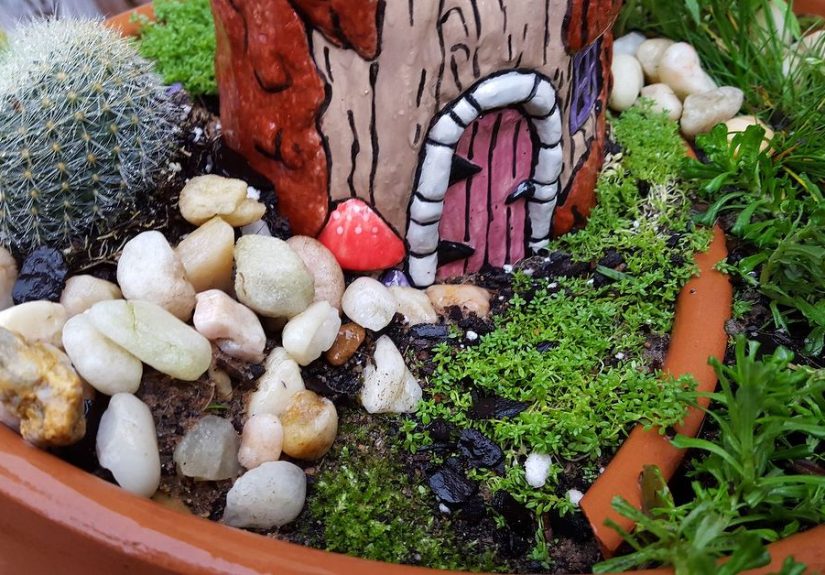
A broken pot fairy garden is a miniature garden built inside a cracked or intentionally broken planterusually a terracotta potusing the pot shards to create little “steps” or terraces. Each level holds soil and small plants, while paths, pebbles, moss, and tiny décor turn it into a storybook scene.
It’s basically a vertical micro-landscape. Think: a tiny hillside village, a desert canyon, a woodland hideout, or a cottage garden… just scaled down to “fairy rent” prices.
Why Broken Pots Make Ridiculously Good Fairy Real Estate
1) The terraces do the design work for you
The broken pieces naturally create levels, which instantly makes the garden feel intentional and sceniclike you planned it, instead of improvising in the driveway.
2) It’s sustainable (and oddly satisfying)
Terracotta pots crack for all sorts of reasons: freezing temps, accidental drops, or one overconfident attempt to move “just one more” pot in a single trip. Repurposing them keeps material out of the trash and gives your garden a handmade, whimsical focal point.
3) It’s small-space friendly
No yard? No problem. A broken pot fairy garden works on patios, balconies, porches, and even bright windowsills (with the right plants). It’s a big “garden feeling” in a small footprint.
Supplies Checklist
You can keep this delightfully simple, or go full miniature-architect. Here’s the practical middle path.
- One terracotta pot (already broken or ready to be broken safely)
- Matching saucer or a sturdy base tray
- Gloves + eye protection (sharp edges are not whimsical)
- Potting mix (more on the best mix below)
- Small plants suited to your light conditions
- Small pebbles (paths, top-dressing, visual texture)
- Moss or tiny groundcover (optional but very fairy-approved)
- Mini accessories (house, bench, door, mushrooms, etc.)
- Optional stabilizers: outdoor silicone adhesive, a few extra pot shards, or flat stones
Step-by-Step: How to Build a Broken Pot Fairy Garden That Won’t Slide Apart
Step 1: Break (or tidy) the pot safely
If your pot is already cracked, you may only need to remove loose shards and smooth sharp edges. If it’s intact and you’re intentionally breaking it, wrap it in a towel or thick cloth and tap gently with a hammer until you get a few large pieces plus several smaller ones. Aim for:
- One big piece for a “back wall”
- Two to four medium pieces for terraces
- Small shards for steps, edging, and accents
Step 2: Start with drainage (the unglamorous hero)
A drainage hole is non-negotiable. If your pot drains, great. If it doesn’t, it’s not a fairy gardenit’s a tiny swamp with décor. Place one curved shard over the drainage hole like a little “bridge” so soil doesn’t wash out, but water can still escape.
Skip the old myth of adding a thick layer of gravel to “improve drainage.” It can actually leave water sitting higher in the pot. Instead, focus on a well-draining potting mix and real drainage holes.
Step 3: Dry-fit your terraces before adding soil
Set your pot on its saucer. Place the biggest shard upright inside the pot as the back wall. Then angle the medium shards to form shelves/terraces. The goal is to create a staircase effect:
- Top level: the smallest planting zone
- Middle level: your main “scene” (often where the house goes)
- Bottom level: the widest planting area and path space
Tip: A slight tilt forward can look cool, but don’t overdo itgravity is undefeated.
Step 4: Stabilize the structure
If your shards wobble, you have three easy options:
- Soil pressure method: Hold shards in place while you pack soil behind them.
- Stone support: Wedge flat stones behind terraces like invisible braces.
- Outdoor silicone: Use sparingly at contact points if you want a more permanent build.
Step 5: Add potting mix (and build each level like a tiny retaining wall)
Add a scoop of pre-moistened potting mix to the bottom, then pack soil behind the lowest terrace shard. Work from the bottom upeach terrace should hold its own soil without spilling forward. Think “mini retaining walls,” not “sand castle at high tide.”
Step 6: Plant first, decorate second
Place plants while there’s still open soil to work with. Start with your largest plant (usually on the bottom level), then tuck smaller plants into the middle and top terraces. Leave space for pathways and accessories.
Step 7: Add paths, texture, and tiny magic
Now the fun part: use pebbles to make a path, place miniature steps using small shards, and add moss to soften edges. Keep décor in scaleone great focal point beats fifteen random trinkets every time.
Soil and Potting Mix: The Make-or-Break Detail
In containers, soil is less “dirt” and more “engineered habitat.” For most broken pot fairy gardens, a lightweight potting mix that drains well is ideal. Avoid heavy garden soil (it compacts, drains poorly, and turns your terraces into mudslides).
Quick mix guidance
- For succulents: cactus/succulent mix, or potting mix amended with extra perlite/pumice.
- For mossy/shade gardens: standard potting mix that holds a bit more moisture (but still drains).
- For DIY mixers: use proven extension-style recipes (peat/coir + perlite/vermiculite + bark/compost) and keep it airy.
Plant Picks That Look Magical and Actually Live
The best fairy garden plants share two traits: they stay small (or can be trimmed small), and they match the light and watering you can realistically provide. Here are reliable options by setting.
| Setting | Great Plant Options | Why They Work |
|---|---|---|
| Sunny + dry-ish | Hens-and-chicks (Sempervivum), Sedum, Echeveria, Haworthia | Love bright light, tolerate missed waterings, look like tiny sculptures |
| Part sun | Creeping thyme, dwarf sedums, small-leaf herbs, compact ornamental grasses | Handles containers well and gives a “mini meadow” feel |
| Shade + moisture | Moss, baby’s tears, small ferns, low groundcovers | Creates that classic woodland-fairy vibe (but needs consistent moisture) |
| Indoor bright window | Compact succulents, small peperomias, tiny trailing plants | Works when you can control watering and avoid outdoor weather swings |
One practical rule: group plants with similar needs. Mixing “likes-dry” succulents with “likes-moist” moss means somebody’s going to be unhappyand unhappy plants are rarely magical.
Design Themes That Don’t Look Like a Toy Pile
Woodland cottage
Use moss, bark pieces, tiny twigs, and a simple cottage door or house. Add a pebble path and one tiny bench.
Desert canyon
Lean into the terracotta color: succulents, sand-toned pebbles, and a “stone stair” made from shards. Minimal décor looks best heredesert scenes shine with restraint.
Seaside escape
Pale gravel for “sand,” small shells, and a driftwood “dock.” Choose salt-free décor and avoid adding actual beach sand if it compacts too much.
Storybook village
One house, one path, one feature (a mailbox, a lantern, a tiny table). Keep the scale consistent so it feels like a scene, not a collection.
Placement and Care: Keep the Magic Alive
Light
Match your plants to your location. Succulents generally want bright light (often several hours), while moss and many miniature woodland plants prefer shade or dappled light. If your garden is outdoors, morning sun and afternoon shade can be a sweet spot in many climates.
Watering
Water slowly, aiming at the soilnot blasting the terraces like a fire hose. In tiered pots, water can channel down and erode paths. A small watering can or squeeze bottle gives you control.
- Succulent builds: water only when soil is dry; too much water is the #1 regret.
- Moss/woodland builds: keep evenly moist, but never soggy; watch for poor airflow and rot.
Feeding and grooming
Most fairy gardens don’t need heavy fertilizing. Overfeeding can make plants outgrow the scene fast. Trim lightly to keep proportions, and remove dead leaves so the garden stays crisp and intentional.
Common Mistakes (And How to Avoid the Tiny Tragedies)
Mistake: No drainage hole
Fix: use a pot with drainage or drill one (carefully). Without drainage, roots suffocate and rot.
Mistake: “Drainage gravel layer” thinking
Fix: use a well-draining mix. If you add anything, use a single shard over the hole to keep soil innot a thick rock layer that reduces effective soil volume and can worsen water behavior in containers.
Mistake: Overcrowding
Fix: leave negative space. Paths, small clearings, and one focal point make the scene inviting and readable.
Mistake: Plants with conflicting needs
Fix: pick a “climate” for your pot (dry desert vs. moist woodland) and stick to it.
Mistake: Scale chaos
Fix: choose your main piece (house/door) first, then buy or make everything else in that scale.
Kid- and Pet-Friendly Tips
- Sand sharp edges on terracotta shards or hide them with moss and pebbles.
- Skip tiny choking-hazard décor if toddlers are involved.
- Check plant safety if pets nibble plantssome common ornamentals and succulents can be irritating or toxic.
- Secure accessories (a dab of outdoor-safe adhesive can prevent constant “mysterious fairy storms”).
Seasonal Refresh: How to Keep It Looking Great All Year
Broken terracotta pots can be more vulnerable to freeze-thaw cycles. If you live where winters hit hard, consider moving the pot to a protected spot or treating the garden as a warm-season display. Swap plants seasonally:
- Spring/Summer: fresh groundcovers, tiny blooms, bright accessories
- Fall: miniature pumpkins, warm-toned gravel, small conifers (if appropriate)
- Winter (mild climates): evergreen mini plants, simple lights, less watering
Conclusion: Your Broken Pot Isn’t TrashIt’s a Tiny World Waiting
A broken pot fairy garden is one of those rare DIY projects that’s equal parts practical, creative, and surprisingly calming. It rescues a damaged pot, teaches good container-gardening habits (drainage! soil! light!), and gives you a living centerpiece that can evolve with the seasons.
Start simple: a few terraces, a couple of tough little plants, one adorable focal point, and a path that leads somewhere. Then step back and enjoy the most charming “landscaping” project you’ll ever finish on a tabletop.
Experience-Based Field Notes: What People Learn After Building a Few Broken Pot Fairy Gardens (About )
The first time someone makes a broken pot fairy garden, it usually goes one of two ways: it turns out so cute they immediately start saving every terracotta shard forever… or it looks adorable for three days and then slowly transforms into a gritty little avalanche. The good news is that the “oops” moments are predictableand once you know them, your next build feels like you’ve been promoted from “fairy intern” to “tiny landscape engineer.”
The most common real-world lesson is that terraces need support. Dry-fitting shards is fun, but the scene becomes stable only after soil is packed behind each level. People often discover that loosely filled soil can shift after watering, especially if the pot sits in a windy spot or gets bumped on a busy patio. The fix is simple: add soil in layers, compress gently with your fingers, and use a flat stone behind a terrace if it feels wobbly. A surprisingly small brace can prevent an entire level from slumping forward.
Next comes the “watering reality check.” Broken pot fairy gardens look like tiny mountains, and water loves mountains the way toddlers love steep slides: it goes straight down and takes everything with it. Many DIYers end up switching from pouring to controlled wateringa small-spout can, a squeeze bottle, or slow drips aimed at plant roots. This keeps paths intact and stops fine soil from washing onto the pebbles. It also helps prevent a sneaky problem in tiered pots: the top terrace dries fast while the bottom stays wet, so plants with different moisture preferences can struggle unless the gardener waters intentionally by level.
Another pattern is “plant optimism.” Tiny plants in the nursery look like permanent miniatures, but many are simply young. After a few weeks of good light and regular water, they can outgrow the scene and make the fairy house look like it’s being swallowed by landscaping. Experienced builders tend to choose slow growers (or plants that tolerate trimming) and leave more empty space than feels necessary on day one. That empty space becomes your friend once everything fills in.
Décor is its own learning curve. A handful of charming pieces can create a story; too many items can make the garden read like a toy display. Over time, many people develop a “one focal point plus supporting details” habit: one house or door, one path, and a couple of natural accents (stones, bark, a twig fence). The result feels cohesive and more believablelike a tiny world you could step into, rather than a crowded shelf in disguise.
Finally, there’s the emotional surprise: once you’ve built one, you start noticing miniature landscapes everywhere. That broken pot becomes a creative reset buttonespecially when you refresh it seasonally. People who keep doing this tend to treat the fairy garden like a living vignette: swap plants, update paths, move accessories, and let the scene evolve. The “experience” isn’t just the finished potit’s the ongoing, low-stakes joy of tinkering with a tiny world that fits in your hands.