Table of Contents >> Show >> Hide
- What Is Body Image?
- Healthy vs. Unhealthy Body Image (And Why Neutrality Counts)
- How Body Image Forms: Why It’s Not “Just Vanity”
- How Body Image Affects Health
- Signs Your Body Image Might Need Support
- How to Improve Body Image (Without Needing a Personality Transplant)
- 1) Practice body neutrality: respect first, feelings later
- 2) Upgrade your inner commentary (aka: stop hiring a mean coach)
- 3) Curate your feed like it’s your mental diet
- 4) Shift focus from appearance to function
- 5) Use movement as care, not punishment
- 6) Build a “safe people” circle
- 7) Change what you can control: comfort, clothing, and context
- 8) Practice self-compassion like it’s a skill (because it is)
- 9) Get professional support when the loop is sticky
- How Parents, Caregivers, and Mentors Can Support Healthy Body Image
- Conclusion: A Better Body Image Is a Better Life Strategy
- Experiences That Make Body Image Feel Real (And Fixable)
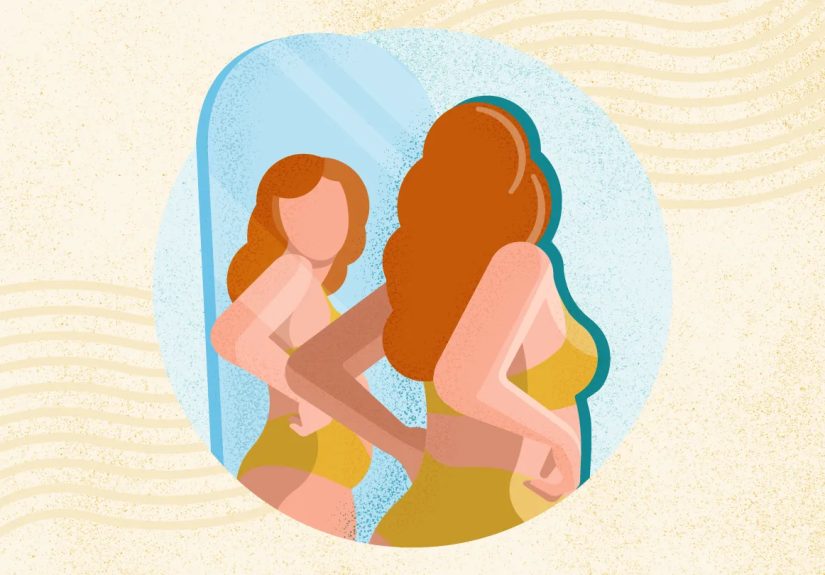
Body image is basically the relationship you have with your bodylike a roommate situation, but with fewer dishes and more feelings.
Some days you’re on great terms. Other days you’re side-eyeing the mirror like it just posted an unflattering photo of you without permission.
The good news: body image isn’t a fixed trait you’re stuck with. It’s a set of thoughts, emotions, and habits you can reshapewithout needing
to “earn” respect for your body first.
In this guide, you’ll learn what body image really is, how it connects to both mental and physical health, and practical (non-cringey, non-magic)
ways to improve it. We’ll focus on real-life tools: how to reduce comparison traps, build body neutrality, and make your body feel like a place you
can live innot a project you have to constantly renovate.
What Is Body Image?
Body image isn’t just “how you look.” It’s how you think and feel about your appearance and your body as you move through the world.
It includes your perceptions (“I look tired”), your beliefs (“my worth depends on how I look”), your emotions (pride, shame, anxiety), and your behaviors
(checking mirrors, avoiding photos, hiding in baggy clothes, or obsessively trying to “fix” something).
The 4 moving parts of body image
- Perception: What you believe you see in the mirror or photos.
- Thoughts: The inner commentarysupportive, critical, or chaotic neutral.
- Feelings: Confidence, discomfort, shame, gratitude, or numbness.
- Behaviors: Actions driven by those thoughts/feelings (comparison, avoidance, body-checking, etc.).
Importantly, body image can be positive, negative, or somewhere in the middle. And “in the middle” is often the most realistic goalbecause nobody
feels like a movie montage 24/7.
Healthy vs. Unhealthy Body Image (And Why Neutrality Counts)
Healthy body image doesn’t mean “always loving how you look”
A healthy body image is flexible. You can have an “ugh” day and still treat yourself with respect. You can notice insecurity without letting it run your schedule.
You can wear shorts because it’s hot, not because you’ve achieved some imaginary “shorts eligibility.”
Body positivity vs. body neutrality
Body positivity says: “My body is good and worthy.” For many people, that’s empowering.
Body neutrality says: “My body is my body. It deserves care and respect, even if I don’t love every detail today.”
Neutrality can be a lifesaver when positivity feels like trying to high-five your own reflection while you’re having a rough week.
What unhealthy body image can look like
- Feeling intense shame or disgust about your appearance
- Constant comparison (especially online)
- Avoiding social situations, photos, intimacy, or activities you actually enjoy
- Feeling like you must change your body to be “allowed” to feel confident
- Spending a lot of time checking, hiding, fixing, or obsessing over perceived flaws
How Body Image Forms: Why It’s Not “Just Vanity”
Body image develops over time. It’s shaped by your brain, your environment, and the messages you absorbsometimes loudly (“you should look like this”),
sometimes sneakily (“everyone else looks better in that lighting”).
1) Your stage of life and body changes
Puberty, pregnancy/postpartum changes, aging, illness, disability, hormonal shifts, and medication side effects can all shift how you see yourself.
When your body changes quickly, your mind may lag behindlike a phone trying to update on a weak Wi-Fi signal.
2) Family, culture, and “background noise” comments
Body image can be shaped by seemingly small remarks: compliments that focus only on looks, jokes about weight, criticism about eating, or repeated “I feel fat”
talk (even though “fat” is not a feelingtired, stressed, insecure, and overwhelmed are feelings; fat is a body descriptor, not an emotion).
3) Friends, peers, and belonging
Humans are social creatures. We take cues from what gets praised, teased, or ignored. If appearance becomes a ticket to acceptance, body image often becomes
a high-stakes gameone with rules that keep changing.
4) Media and social media
Traditional media has a long history of promoting narrow beauty ideals. Social media can intensify that by making comparison constant, personal, and interactive:
filters, editing tools, “before/after” content, algorithm-fed perfection, and engagement metrics that reward certain looks.
It’s not that social media is automatically bad. It’s that certain patternsespecially appearance-based comparison and heavy exposurecan increase body dissatisfaction,
especially in teens and young adults.
How Body Image Affects Health
Body image isn’t cosmetic. It’s connected to mental health, stress, behavior choices, and how comfortable you feel taking up space in your own life.
When body image is negative, it can affect health directly (through stress and emotional strain) and indirectly (through behaviors that reduce well-being).
Mental health: mood, anxiety, and self-worth
Persistent body dissatisfaction is linked with higher risk of depression, anxiety, low self-esteem, and social withdrawal. If you spend a lot of mental energy
monitoring, judging, or fearing judgment about your appearance, your brain has less bandwidth for learning, work, relationships, and joy.
Eating behaviors and eating disorders
Negative body image can raise the risk of disordered eating patterns and eating disorders. Eating disorders are serious mental health conditionsnot lifestyle choices
and they can affect people of all genders, body sizes, and backgrounds. If thoughts about weight, food, or shape start driving your daily decisions, it’s worth
taking seriously and seeking professional support.
Body dysmorphic disorder and obsessive appearance focus
For some people, appearance concerns can become intense and consumingsuch as persistent preoccupation with perceived flaws that others may not notice.
This can lead to distress, avoidance, and repetitive checking or reassurance-seeking. If you’re stuck in that loop, you’re not “being dramatic.” You may need
structured support, and treatment can help.
Stress, sleep, and physical well-being
Ongoing shame and self-criticism can behave like chronic stress. Chronic stress can affect sleep quality, energy, focus, and even how motivated you feel to care
for yourself. When people feel uncomfortable in their bodies, they may avoid movement, medical care, social activities, or situations where they feel “seen.”
Over time, avoidance can shrink life downhealth included.
Health behaviors: the “all-or-nothing” trap
Unhealthy body image often fuels extremes:
- Over-control: rigid rules, constant tracking, punishing exercise, “I must earn rest.”
- Giving up: “If I can’t do it perfectly, why do anything?”
The healthiest routines usually live in the boring middle: consistent, flexible, and focused on how you feelnot on chasing a specific look.
Signs Your Body Image Might Need Support
Everybody has off days. But if these patterns are frequent, intense, or disruptive, it may be time to get extra support:
- You avoid mirrors, photos, or social events because of appearance fears
- You check your body repeatedly (mirrors, photos, reflection “hunting”)
- You feel strong distress after scrolling social media
- Your self-worth rises and falls based on how you think you look
- Food, weight, or shape thoughts dominate your day
- You feel stuck in comparison, even when you know it’s hurting you
How to Improve Body Image (Without Needing a Personality Transplant)
Improving body image is less about forcing “love” and more about building respect, flexibility, and freedom.
Here are evidence-informed strategies that are practical in real life.
1) Practice body neutrality: respect first, feelings later
If “I love my body!” feels fake today, try:
- “My body deserves care, even when I’m not thrilled with it.”
- “I can feel uncomfortable and still show up.”
- “My body is not my résumé.”
Neutrality reduces pressure. You don’t have to win a beauty contest to deserve hydration, rest, comfortable clothes, and kindness.
2) Upgrade your inner commentary (aka: stop hiring a mean coach)
Many people treat themselves like a reality show judge. Try a three-step reset:
- Notice the thought (“I look terrible”).
- Name it (“That’s my comparison brain talking”).
- Reframe it (“I’m tired. My body is allowed to look like a body”).
This is a core idea in cognitive-behavioral approaches: thoughts influence feelings and behavior, and changing the pattern reduces distress over time.
3) Curate your feed like it’s your mental diet
Social media isn’t neutral for your brain. If your feed reliably makes you feel worse, it’s giving “expired leftovers.” Consider:
- Unfollow or mute accounts that trigger comparison (even if they’re “nice” people).
- Follow creators who emphasize skills, humor, creativity, body diversity, or body neutrality.
- Set time boundaries (especially before bed) and schedule “scroll-free” blocks.
- Remember: many images are filtered, posed, edited, or selectively posted.
4) Shift focus from appearance to function
Your body isn’t just something to be looked atit’s what carries you through life. Try a weekly “function gratitude” list:
- “My legs got me where I needed to go.”
- “My hands helped me cook, create, text my friend back.”
- “My lungs kept the whole operation running without me micromanaging them.”
This doesn’t erase insecurity, but it widens your relationship with your body beyond appearance.
5) Use movement as care, not punishment
Movement can support mood, sleep, and stress managementbut only if it’s not used as self-punishment. A better approach:
- Choose movement you’d still do if nobody ever saw you doing it.
- Set goals based on energy and well-being (stronger, steadier, calmer), not aesthetics.
- Start small: consistency beats intensity for long-term mental health benefits.
6) Build a “safe people” circle
Body image improves faster in supportive environments. Look for friends, family, or communities that:
- Don’t constantly rank bodies or talk about “earning” food
- Compliment you on character, effort, humor, creativity, kindness
- Respect boundaries when you say, “I don’t want to discuss weight or appearance”
7) Change what you can control: comfort, clothing, and context
Sometimes body image improves when you remove daily irritants. Examples:
- Wear clothes that fit your current body comfortably (comfort is not “giving up”).
- Stop saving outfits for a “future body.” Wear the good stuff now.
- Reduce mirror-checking if it becomes compulsive (set specific times instead of constant checking).
8) Practice self-compassion like it’s a skill (because it is)
Self-compassion isn’t self-indulgence. It’s treating yourself with the same basic humanity you’d offer a friend. When body shame shows up, try:
- Kindness: “This is hard, and I’m allowed to struggle.”
- Common humanity: “Lots of people feel this way sometimes.”
- Care: “What would support me right nowwater, rest, a walk, a chat?”
9) Get professional support when the loop is sticky
If body image concerns are disrupting your lifeor if food/weight/shape thoughts feel consumingtalk to a licensed mental health professional or your primary care
clinician. Evidence-based therapies can help you reduce obsessive checking, challenge distorted beliefs, and rebuild self-worth. Early support is especially important
for teens and young adults, but help is effective at any age.
How Parents, Caregivers, and Mentors Can Support Healthy Body Image
If you influence a child or teen’s world (parent, coach, teacher, older sibling), you have more power than the algorithm. A few high-impact habits:
Model body-respect talk
- Avoid criticizing your own body in front of kids.
- Avoid labeling foods as “good” or “bad” in moral terms; focus on balance and fuel.
- Give compliments that aren’t appearance-based: effort, curiosity, courage, kindness.
Teach media literacy early
- Explain filters, editing, posing, and marketing.
- Talk about how platforms reward attention, not truth.
- Encourage breaks when scrolling affects mood.
Focus on health and function, not body size
Kids don’t need to hear that their body is a problem to solve. They need to learn that bodies come in many shapes, and that health includes sleep, stress,
relationships, movement, and mental well-being.
Conclusion: A Better Body Image Is a Better Life Strategy
Body image isn’t about vanityit’s about access. Access to relationships without constant self-monitoring. Access to activities without “I’ll do it when I look better.”
Access to peace in your own skin, even when life is messy.
Start small and steady: curate your feed, practice body neutrality, shift attention to function, and replace harsh self-talk with something closer to how you’d talk
to someone you love. You don’t have to adore your reflection to treat yourself like you matter. Respect is enough to beginand it tends to grow.
Experiences That Make Body Image Feel Real (And Fixable)
Body image advice can sound great on paperuntil you’re standing in front of a mirror under unforgiving bathroom lighting that was clearly installed by an enemy.
So here are common real-world experiences people report, plus what tends to help. Think of these as “composite snapshots” drawn from patterns clinicians and
educators often seenot a one-size-fits-all script.
Experience 1: “I was fine… until I opened my phone.”
Many people describe feeling neutral (or even good) about their bodyright up until they scroll. Then the comparison engine kicks on: someone’s highlight reel,
perfect angles, and best lighting becomes your yardstick. Suddenly you’re judging your face, skin, shape, hair, and posture like you’re preparing for a court case.
What helps is treating social media like food: quality and quantity matter. People often feel better after muting appearance-focused accounts, adding creators who
talk about skills, humor, or body neutrality, and building scroll-free zones (especially before bed). The goal isn’t to “never use” social mediait’s to stop letting it
decide your mood for the day.
Experience 2: “Compliments started feeling like pressure.”
It sounds strange, but appearance compliments can become a trap: when you’re praised mainly for how you look, it can feel like you must maintain that look to stay
valued. People describe becoming anxious about gaining weight, aging, breaking out, or “losing” the version of themselves that got approval.
A powerful shift is expanding what gets celebrated. When friends and families start praising persistence, kindness, creativity, humor, or resilience, people often report
feeling more stablebecause their worth isn’t pinned to a single variable like “looking good today.”
Experience 3: “I avoided things I actually wanted to do.”
One of the clearest signs that body image is affecting health is avoidance: skipping the pool, dodging photos with friends, saying no to a date, canceling plans,
quitting a sport, or refusing to wear weather-appropriate clothes because you don’t want your body visible.
People often improve by practicing “values-first choices.” Instead of asking, “Do I look good enough?” they ask, “What matters moremy comfort or my life?”
They choose one small act of participation: show up to the event, take one photo, wear the outfit that’s comfortable. Over time, this rewires confidence:
confidence becomes the result of living, not the prerequisite.
Experience 4: “I thought changing my body would solve itand it didn’t.”
Plenty of people report reaching a goal (a new look, a new routine, a smaller/larger body, a certain aesthetic) and feeling… briefly satisfied, then anxious again.
That’s because body image lives in the mind’s habits, not just the mirror.
What helps is working on the mental pattern directly: reducing body-checking, challenging harsh thoughts, and practicing self-compassion. People often describe
body neutrality as a relief herebecause it removes the constant demand to feel delighted with your appearance and replaces it with a steadier commitment:
“I care for myself because I’m a person, not because I’ve achieved a certain look.”
Experience 5: “I started treating my body like a teammate.”
Many people describe a turning point when they shift from appearance to function: appreciating what their body doeshealing, carrying, sensing, adapting.
That shift doesn’t erase insecurity, but it widens the relationship. Your body becomes a teammate that deserves support, not an opponent that must be defeated.
A simple practice people stick with is “one functional win a day”: “My arms carried groceries,” “My brain got me through a hard meeting,” “My legs took me outside,”
“My stomach digested food even when I was stressed.” It’s not cheesyit’s grounding. And grounding is often what body image needs most.
If any of these experiences feel familiar, you’re not aloneand you’re not broken. Body image is learnable. With consistent, realistic habits (and support when needed),
most people can move from body conflict to body respect. And that’s a change you can feel in daily life: less mental noise, better mood, and more time spent doing
things you actually care about.