Table of Contents >> Show >> Hide
- What Is Bitter Orange, Exactly?
- The Main Compounds in Bitter Orange
- Potential Benefits of Bitter Orange
- The Downsides of Bitter Orange
- Bitter Orange in Food vs. Bitter Orange in Supplements
- Should You Use Bitter Orange?
- Experiences Related to Bitter Orange: What Real-World Use Tends to Look Like
- Conclusion
Bitter orange has a branding problem. On one hand, it sounds charmingly old-school, like something your grandmother turned into marmalade while judging everyone’s posture. On the other hand, it shows up in modern supplements with a very different vibe: fat-burner, pre-workout, metabolism booster, miracle-in-a-capsule, and other titles that usually deserve a raised eyebrow. The truth sits somewhere in the middle.
Also known as Citrus aurantium, bitter orange has a long history in food, fragrance, and traditional herbal practice. The fruit itself is too sharp and sour for casual snacking, but its peel, juice, blossoms, and oils are widely used in marmalade, liqueurs, bitters, perfumes, and aromatherapy. Where things get more complicated is in supplement form, especially when bitter orange extract is standardized for p-synephrine, a compound promoted for weight loss and athletic performance.
So is bitter orange a useful botanical, a misunderstood citrus, or a supplement aisle troublemaker wearing a natural halo? The honest answer is: a little of all three. Here’s what matters most about its compounds, possible benefits, and real downsides.
What Is Bitter Orange, Exactly?
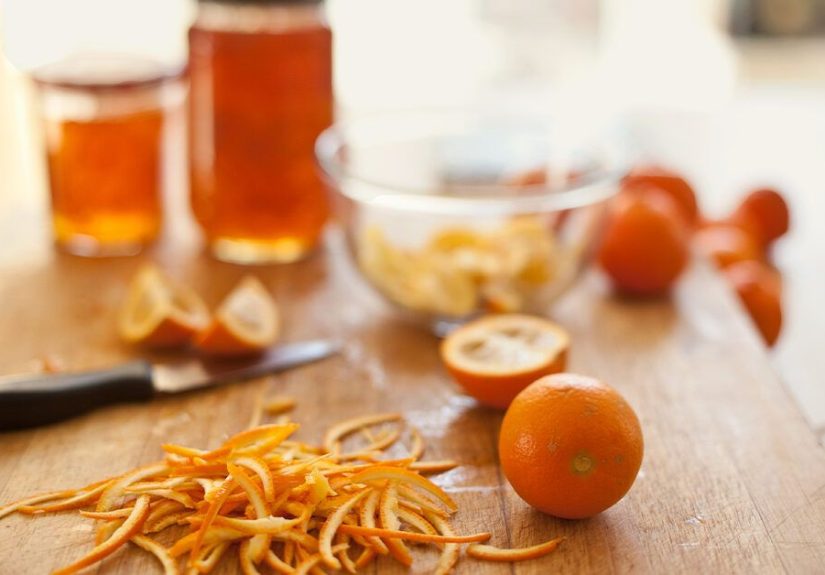
Bitter orange is often called Seville orange or sour orange. It is not the sweet orange you peel over the sink while pretending the juice on your shirt “adds character.” Bitter orange is sharper, more aromatic, and far more likely to end up in preserves, extracts, aperitifs, and essential oils than in your lunchbox.
That difference matters, because bitter orange is used in very different ways depending on the context. In food, it is mostly a flavor ingredient. In fragrance and aromatherapy, its blossoms and peel oils are prized for their bright, floral-citrus profile. In supplements, however, it is often concentrated and marketed for stimulant-like effects, especially after ephedra disappeared from many weight-loss formulas years ago.
That shift from pantry item to performance ingredient is the whole story in miniature: bitter orange in a recipe is one thing; bitter orange in a capsule promising a “thermogenic edge” is another thing entirely.
The Main Compounds in Bitter Orange
p-Synephrine: the star, the headline, the reason people argue on the internet
The most discussed compound in bitter orange is p-synephrine. This naturally occurring protoalkaloid is the main reason bitter orange extract appears in weight-loss and sports-performance products. It is structurally similar to ephedrine, which is why bitter orange is often discussed in the same breath as older stimulant products. But similar structure does not mean identical effects. That distinction is important and often lost in marketing copy that would happily turn a citrus peel into a superhero origin story.
In theory, p-synephrine may slightly increase energy expenditure and lipolysis, which is why supplement companies love it. In practice, the human evidence is far less glamorous. Some small studies suggest a modest bump in resting metabolic rate or calorie burning. But “may nudge metabolism a bit” is not the same as “melts fat while you stare heroically out a window.”
Octopamine and other biogenic amines
Bitter orange can also contain other amines, including octopamine. These compounds matter because they add to the stimulant-style conversation and complicate safety discussions. Even more important, not every product labeled as bitter orange is chemically neat, tidy, or honest. Some supplements have been found to contain amounts of stimulant-like compounds that do not line up well with what consumers would expect from a simple plant extract.
That means the risk is not just about the plant itself. It is also about the supplement marketplace, where labels sometimes oversimplify what is actually inside the bottle. That is a problem when you are dealing with ingredients that may affect heart rate, blood pressure, or drug metabolism.
Flavonoids: the quieter side of bitter orange
Bitter orange also contains flavonoids such as hesperidin, naringin, and neohesperidin, along with other plant compounds found in citrus peel and fruit. These substances are part of why bitter orange is interesting beyond the supplement world. Flavonoids are widely studied for antioxidant and anti-inflammatory potential, and they help explain why bitter orange has a more layered profile than “just a stimulant.”
Still, having beneficial phytochemicals does not automatically turn a concentrated bitter orange supplement into a proven health tool. Plenty of foods contain interesting compounds. The hard part is showing that a particular extract, in a particular dose, in actual humans, produces a meaningful benefit without creating a bigger headache somewhere else.
Essential oils and aromatic compounds
The peel and blossoms of bitter orange are also valued for essential oils. These oils are used in perfumes, personal care products, and aromatherapy. This is the softer, less aggressive side of bitter orange: less “pre-workout powder with thunder graphics,” more “clean, citrus-floral note in a bottle.”
But even here, nuance matters. Aromatic use is different from swallowing concentrated extract, and topical or essential-oil use has its own considerations, including irritation or photosensitivity in some circumstances. Nature, as usual, declines to be simple.
Potential Benefits of Bitter Orange
1. Culinary value and digestive appeal
Let’s start with the least controversial benefit: bitter orange tastes and smells fantastic in the right context. It gives marmalade its grown-up edge, adds complexity to sauces and liqueurs, and brings a sophisticated bitterness to culinary applications. In ordinary food amounts, bitter orange is generally viewed very differently from supplement-level doses.
Traditional herbal systems have also used bitter orange for digestive complaints such as nausea, constipation, and sluggish digestion. That does not mean every digestive claim is clinically proven, but it does explain why the ingredient has survived for so long outside the supplement hype machine. Sometimes a plant keeps showing up because it genuinely works well in practical, modest ways.
2. A possible boost in energy expenditure
This is where bitter orange earns its supplement fame. Some research suggests p-synephrine may slightly increase resting metabolic rate or energy expenditure. That sounds promising, and technically it is. But only if you keep your expectations on a very short leash.
The best reading of the evidence is that bitter orange may create a mild thermogenic effect in some settings, especially in multi-ingredient products. The trouble is that most people do not buy supplements to admire tiny biochemical ripples. They buy them for visible, reliable, meaningful fat loss. And that is where the evidence gets shaky.
3. Weight-loss support? Maybe on paper, not convincingly in real life
Bitter orange is often marketed for weight loss, appetite control, and body-composition support. But the gap between marketing and evidence is wider than supplement labels would like. Many studies are small, short, or built around combination formulas that include caffeine and other active ingredients. That makes it hard to say what bitter orange is doing on its own.
Some people interpret any metabolism-related signal as proof that weight loss will follow. Biology is less romantic. A small increase in calorie burning does not guarantee a meaningful drop on the scale, especially when the product also has safety questions hanging over it like a suspicious ceiling fan.
4. Aromatherapy and mood-related interest
Bitter orange oil is also used in aromatherapy for relaxation, mood support, and sleep-related routines. This area is intriguing, but the evidence is not strong enough to treat it as settled. The scent may be pleasant, calming, or personally comforting, which is not nothing. But that is very different from saying bitter orange oil is a proven treatment for anxiety or insomnia.
In other words, enjoying the aroma is reasonable. Expecting it to replace evidence-based care is not.
The Downsides of Bitter Orange
1. The weight-loss evidence is weaker than the marketing
This is the first major downside, and honestly, it is the one many buyers should care about most. Bitter orange is often sold with the confidence of a product that has already won its court case. The research does not back that swagger. Systematic reviews and government health summaries repeatedly land in the same neighborhood: possible metabolic effects, unclear real-world weight-loss benefits, and not enough high-quality evidence to call it reliable.
That does not make bitter orange useless. It makes it overpromoted.
2. Cardiovascular concerns are the big red flag
The biggest downside is the possibility that bitter orange supplements, especially concentrated extracts, may affect blood pressure and heart rate. Some studies have found increases; others are mixed. There have also been reports of serious medical events, including abnormal heart rhythm, stroke, and heart attack, among people using bitter orange products. The catch is that many of those products also contained caffeine or multiple other stimulants, which makes cause-and-effect messy.
Still, “messy” is not the same as “harmless.” When a supplement category keeps circling back to heart-related concerns, caution is warranted. This is not the place for a casual shrug and a slogan about being natural.
3. Caffeine can make the whole situation worse
Bitter orange often appears in formulas alongside caffeine, green tea extract, or other stimulating ingredients. That combination matters. Even if bitter orange alone has mixed cardiovascular findings, pairing it with caffeine can raise the odds of jitteriness, faster heartbeat, or blood pressure issues. A supplement stack can turn a maybe into a problem pretty quickly.
This is one reason the ingredient is difficult to judge in the wild. People are rarely taking bitter orange in a vacuum. They are taking it in “fat burner” blends with names that sound like a monster truck rally.
4. Product quality and label accuracy are real issues
Another downside is not biological but commercial: supplement quality control. Some bitter orange products have contained unexpected stimulant compounds or amounts that do not match what consumers would assume from the label. That means buying a bitter orange supplement is not always just a question of “Is this ingredient right for me?” It is also “Is this product even what it claims to be?”
That uncertainty is a big deal. An ingredient with mixed evidence becomes even less appealing when the bottle itself might be playing fast and loose with the chemistry.
5. Drug interactions are a serious concern
Bitter orange may interact with medications, particularly those related to blood pressure, heart rhythm, and stimulant effects. There is also concern around interactions involving drug metabolism. If someone is taking prescription medication, adding a concentrated bitter orange supplement without medical guidance is not adventurous. It is just needlessly risky.
People who are pregnant, breastfeeding, managing cardiovascular disease, or sensitive to stimulants should be especially careful. This is one of those ingredients where “ask your healthcare provider first” is not filler language. It is the most practical sentence in the room.
Bitter Orange in Food vs. Bitter Orange in Supplements
This distinction deserves its own section because it gets buried too often. Bitter orange as food is not the same thing as bitter orange as a concentrated supplement.
Using bitter orange peel in marmalade, sipping a drink flavored with Seville orange, or enjoying a citrus-bitter note in cooking is generally a normal culinary experience. The amounts are smaller, the context is different, and nobody is pretending your toast topping is a metabolic weapon.
Supplements are different because they may deliver concentrated extracts, standardized p-synephrine levels, and added stimulants. That changes the risk-benefit equation entirely. So when someone says, “People have used bitter orange forever,” the smart reply is, “Yes, but not always in a capsule designed to imitate a chemistry experiment.”
Should You Use Bitter Orange?
If you enjoy bitter orange in foods, fragrances, or traditional culinary uses, there is little reason to treat it like a villain. It is a fascinating citrus with real sensory and cultural value. But if you are considering a bitter orange supplement for weight loss or performance, the story is less flattering.
The upside appears modest and inconsistent. The downside includes legitimate questions about blood pressure, heart rate, interactions, and label accuracy. That is not a great trade.
For most people, bitter orange makes more sense as an ingredient in the kitchen than as a shortcut in a supplement bottle. It is better at making marmalade interesting than making marketing promises come true.
Experiences Related to Bitter Orange: What Real-World Use Tends to Look Like
In real life, experiences with bitter orange usually fall into a few very different camps. The first group is the culinary crowd. These are the people who know bitter orange as Seville orange, the backbone of classic marmalade, a bright note in sauces, or the bitter-citrus accent that makes a drink taste more grown-up. Their experience is mostly positive because the ingredient is being used the way many traditional foods are used: for flavor, aroma, and character, not for dramatic physiological effect. They do not expect a jar of preserve to redesign their metabolism, and that expectation gap saves everyone a lot of disappointment.
The second group is the supplement crowd, and their experience is far more uneven. Many people first encounter bitter orange in “fat burner” or “energy” products, often with flashy labels and sweeping promises. Some users report feeling more alert, more stimulated, or slightly less hungry for a while. Others mainly notice the less glamorous parts: feeling wired, getting jittery, or realizing the promised body-composition transformation never really arrives. This is where bitter orange gets its most mixed reputation. The experience often depends less on the fruit itself and more on the rest of the formula, especially caffeine and other added stimulants.
A third kind of experience comes from people who are simply confused by the product category. They hear that bitter orange is natural, assume that means gentle, and then discover that “natural” is not a synonym for “risk-free.” That confusion is common with supplements in general, but bitter orange is a classic example because it sits right on the line between traditional plant use and modern stimulant marketing. A person can go from “Oh, it’s citrus” to “Wait, why is this affecting my heart rate?” very quickly.
There is also the fragrance and aromatherapy experience. Some people genuinely love bitter orange blossom and neroli-like scents because they feel uplifting, clean, or calming. In that context, the experience is often more about mood and ritual than medicine. Lighting a candle, using a citrus-floral oil blend, or enjoying a perfume note can absolutely be a pleasant part of daily life. But that kind of experience should not be confused with clinical proof. Feeling soothed by an aroma is real; turning that feeling into a sweeping health claim is where things usually go off the rails.
Finally, there is the healthcare-provider experience, which tends to be pragmatic rather than romantic. Clinicians often see bitter orange less as an exotic botanical and more as a variable-risk supplement ingredient that deserves a medication review. That perspective may sound less exciting, but it is probably the most useful one. Bitter orange is not automatically good or bad. It is context-dependent. In food, it is mostly a flavor story. In supplements, it becomes a safety-and-evidence story. And once you see that split clearly, the whole topic starts making a lot more sense.
Conclusion
Bitter orange is a classic example of how a plant can be both interesting and overhyped. Its chemistry is genuinely fascinating. Its culinary and aromatic uses are well established. Its main supplement compound, p-synephrine, does appear biologically active. But biologically active is not the same thing as clinically impressive, and clinically impressive is not the same thing as clearly safe in concentrated products.
If your goal is flavor, fragrance, or traditional food use, bitter orange has plenty to offer. If your goal is dependable weight loss or sports performance, the evidence does not justify the confidence of the marketing. And if you have cardiovascular concerns, take medication, or are tempted by heavily stacked stimulant formulas, bitter orange is probably best admired from a safer distance.