Table of Contents >> Show >> Hide
- What “bibimbap rice” actually means
- Ingredients
- How to cook bibimbap rice
- How to make crispy bibimbap rice (without a stone bowl)
- Gochujang sauce for bibimbap
- Fast toppings that still taste legit
- How to assemble the perfect bibimbap bowl
- Variations that keep the spirit of bibimbap
- Make-ahead and meal prep tips
- Leftover rice safety (the unglamorous but important part)
- Conclusion: the rice is the foundation
- Experiences: what making bibimbap rice teaches you (the fun way)
Bibimbap is the ultimate “choose-your-own-adventure” dinner: warm rice, colorful toppings, a glossy gochujang sauce, and that magical moment when you mix everything together and it turns into something bigger than the sum of its leftover-looking parts. But here’s the secret: the rice is the star. If the rice is fluffy (or gloriously crispy), everything else falls into place. If the rice is sad… well, you’ll spend the whole meal chasing joy with extra sauce.
This bibimbap rice recipe gives you two paths: classic fluffy rice for everyday bibimbap and crispy “dolsot-style” rice without needing a stone bowl. You’ll also get a reliable gochujang sauce, smart topping shortcuts, and meal-prep tips so you can make bibimbap on a random Tuesday without turning your kitchen into a full-time job.
What “bibimbap rice” actually means
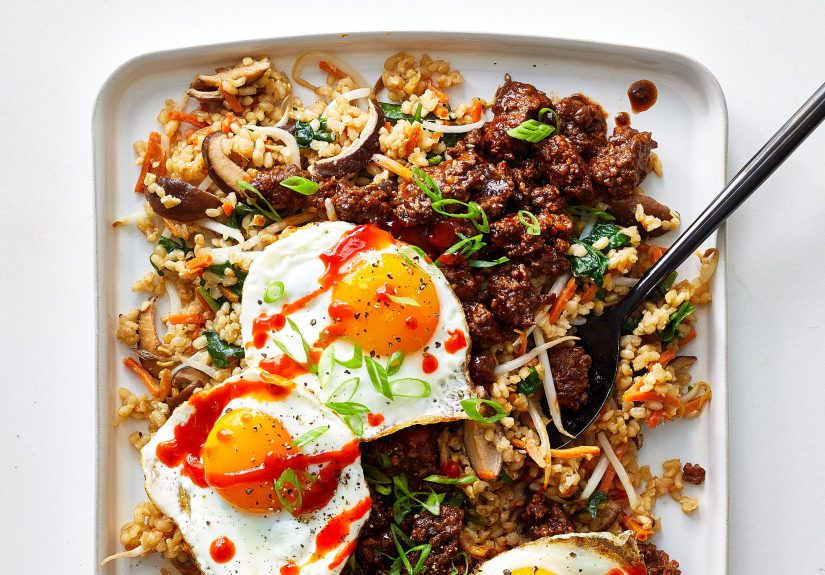
Bibimbap literally translates to “mixed rice.” Traditionally, it’s served with rice on the bottom and neatly arranged vegetables (namul), meat or tofu, and an egg on top, with gochujang on the side. Then you mix it all at the table. Some versions come in a dolsot (hot stone bowl), which crisps the rice into a golden crust. That crust is not optional joy. It’s required joy.
For bibimbap, most cooks use Korean short-grain rice (sometimes labeled “sushi rice” in U.S. grocery stores). It cooks up tender and slightly stickyperfect for grabbing toppings and sauce in every bite. Medium-grain rice can work in a pinch; long-grain rice will taste fine but won’t cling the same way (translation: more toppings fall off your spoon, which is rude).
Ingredients
For the rice (4 generous bowls)
- 2 cups Korean short-grain rice (or other short/medium-grain rice)
- 2 1/2 cups water (start here; adjust slightly by brand as needed)
- 1/2 teaspoon kosher salt (optional)
For easy crispy bibimbap rice (optional but highly encouraged)
- 3 tablespoons neutral oil (avocado, canola, grapeseed)
- 1 teaspoon toasted sesame oil (optional, for aroma)
For gochujang bibimbap sauce (enough for 4 bowls)
- 3 tablespoons gochujang (Korean red pepper paste)
- 1 tablespoon soy sauce (or tamari for gluten-free)
- 1 tablespoon rice vinegar
- 1 1/2 tablespoons honey or brown sugar
- 1 tablespoon toasted sesame oil
- 1 small garlic clove, finely grated
- 1–2 tablespoons warm water (to thin to “drizzleable”)
- 1–2 teaspoons toasted sesame seeds
Suggested toppings (choose 4–6 to keep your sanity)
- Spinach (quick sautéed or blanched, then seasoned)
- Mung bean sprouts (blanched, then seasoned)
- Carrots (julienned, quick sauté)
- Mushrooms (sautéed with a little soy sauce)
- Zucchini (quick sautéed matchsticks)
- Kimchi (store-bought is perfect)
- Protein: bulgogi-style beef, grilled chicken, tofu, or a fried egg (or all of the aboveno one’s judging)
How to cook bibimbap rice
Step 1: Rinse the rice (yes, really)
Put the rice in a bowl, cover with cool water, swish with your hand, and pour off the cloudy water. Repeat 3–5 times, until the water looks more like “light fog” than “milk.” Rinsing removes extra surface starch so the rice cooks up fluffy and clean-tasting instead of gummy.
Step 2: Cook it (rice cooker or stovetop)
Rice cooker method (easiest)
- Add rinsed rice to the rice cooker. Add 2 1/2 cups water (or follow your cooker’s markings).
- Cook on the white rice/regular setting.
- When it finishes, let it rest 10 minutes on “warm,” then fluff with a paddle or fork.
Stovetop method (still easy)
- Combine rinsed rice, water, and optional salt in a pot with a tight lid.
- Bring to a boil over medium-high heat, then immediately reduce to low.
- Cover and simmer for 12–15 minutes (don’t peeksteam is the whole point).
- Turn off the heat and rest, covered, 10 minutes. Fluff.
How to tell it’s right: the grains should be tender with a gentle chew, not crunchy in the middle and not mushy. If your rice is consistently dry, add 1–2 tablespoons more water next time. If it’s too soft, shave off a couple tablespoons of water. Rice brands are opinionated like that.
How to make crispy bibimbap rice (without a stone bowl)
Traditional dolsot bibimbap gets a crunchy rice crust from a blazing-hot stone bowl. At home, the easiest method is a skillet crisp. Bonus: it works best with slightly cooled or day-old rice (aka “meal prep wins again”).
- Heat a large nonstick or well-seasoned cast-iron skillet over medium-high heat.
- Add 3 tablespoons neutral oil. If you want, add 1 teaspoon sesame oil for aroma.
- Press 3–4 cups cooked rice into the pan in an even layer (about 1/2-inch thick). Press it down gently.
- Cook 6–10 minutes until the bottom turns deep golden and crisp. Resist stirring. Stirring is the enemy of crust.
- When the rice releases easily in sections, it’s ready. Spoon into bowls with some crunchy bits in every serving.
Pro move: If you want extra-crispy rice, cook it a minute longer than you think you shouldthen stop right before it smells “toasty.” There’s a fine line between “golden crust” and “smoke signal to the neighborhood.”
Gochujang sauce for bibimbap
Classic bibimbap can be served with plain gochujang and a drizzle of sesame oil, but a quick mixed sauce spreads flavor more evenly (and prevents that one spoonful that punches you in the face with pure paste).
- In a small bowl, whisk together gochujang, soy sauce, vinegar, honey (or sugar), sesame oil, garlic, and sesame seeds.
- Add warm water 1 tablespoon at a time until it’s glossy and spoonable.
- Taste and adjust: more honey for sweet, more vinegar for tang, more water to mellow heat.
Fast toppings that still taste legit
Bibimbap toppings don’t need to be complicatedthey need to be distinct. The magic is in contrast: crunchy sprouts against warm rice, earthy mushrooms against spicy sauce, silky egg against crisp bits.
Quick seasoning formula (works for most veggies)
- 1 teaspoon sesame oil
- Pinch of salt
- Optional: 1/2 teaspoon minced garlic
- Optional: 1/2 teaspoon soy sauce (great for mushrooms and zucchini)
5-minute topping ideas
- Spinach: Wilt in a hot pan, squeeze out moisture, season with sesame oil + salt + garlic.
- Bean sprouts: Blanch 1–2 minutes, drain, season with sesame oil + salt + sesame seeds.
- Carrots: Quick sauté with a pinch of salt until just softened but still bright.
- Mushrooms: Sauté until browned, splash with soy sauce, finish with sesame oil.
- Kimchi: No cooking required. Let it be the loud friend at the party.
How to assemble the perfect bibimbap bowl
- Spoon hot rice (or crispy rice) into each bowl.
- Arrange toppings in sections like a color wheel. Aim for “rainbow,” not “sad beige buffet.”
- Add protein (if using) and top with a fried egg.
- Spoon gochujang sauce on top or serve on the side.
- Right before eating: mix everything thoroughly so the rice gets coated and the egg becomes a silky sauce partner.
Variations that keep the spirit of bibimbap
Vegetarian bibimbap
Use sautéed mushrooms, tofu, or edamame for protein. Add extra sesame seeds and a little more sauce for depth. If you want a “bulgogi-ish” vibe without meat, marinate tofu in soy sauce, garlic, a touch of sugar, and sesame oil, then pan-sear until golden.
Weeknight “pantry bibimbap”
Use what you have: leftover roasted vegetables, frozen spinach, shredded carrots, canned tuna, or a scrambled egg. Keep the rice and sauce consistent and you’ll still get bibimbap energyeven if your toppings are basically “fridge archaeology.”
Brown rice bibimbap
Brown short-grain rice works beautifully if you like a nuttier flavor. It takes longer to cook, so a rice cooker helps. Pair it with bold toppings (kimchi, mushrooms, gochujang sauce) so the flavors still pop.
Make-ahead and meal prep tips
- Cook rice ahead: chilled rice crisps better for dolsot-style bowls.
- Prep toppings in batches: store each topping separately so flavors stay distinct.
- Sauce keeps well: make it once, use it all week on rice bowls, eggs, roasted veggies, or noodles.
- Shortcut with store-bought banchan: Korean markets often sell seasoned spinach, sprouts, and pickles ready-to-go.
Leftover rice safety (the unglamorous but important part)
Cooked rice should be cooled and refrigerated promptly. Don’t leave a pot of rice sitting out “to cool naturally” for hoursrice can be a riskier leftover if it hangs out at room temperature too long. For best practice, spread rice in a shallow container so it cools faster, refrigerate within about 2 hours (sooner is better in hot weather), and reheat until steaming hot.
Conclusion: the rice is the foundation
A great bibimbap bowl isn’t about owning a stone bowl or preparing 12 toppings like you’re auditioning for a cooking show. It’s about nailing the rice, balancing textures, and having a sauce that makes everything taste like it was meant to be together. Start with fluffy short-grain riceor go for crispy skillet rice when you need that crackly crunchthen build your bowl with whatever vegetables and protein make your week easier.
Experiences: what making bibimbap rice teaches you (the fun way)
The first time most people try making bibimbap at home, they think the hard part is the toppings. Wrong. The hard part is realizing you’ve been emotionally underestimating rice your whole life. Bibimbap rice isn’t just “rice on the bottom.” It’s the part that decides whether the bowl feels cozy and satisfying… or like you’re eating toppings on a pile of disappointment.
One of the biggest “aha” moments is learning that short-grain rice has its own personality. It’s not trying to be fluffy like long-grain rice; it wants to be tender, slightly sticky, and ready to hug your vegetables. The rinse step feels annoying until you skip it oncethen you end up with rice that’s a little too gummy, and suddenly you’re bargaining with the gochujang sauce like it can undo your life choices. (It can’t. It can only help you cope.)
Another real-life lesson: bibimbap is a sneaky way to become good at weeknight cooking. The method rewards “small wins.” If you can sauté mushrooms while rice rests, you’re doing it right. If you can blanch sprouts while the mushrooms brown, you’re basically a timing wizard. The bowl looks fancy, but it’s secretly built from quick, simple stepsespecially once you accept that you don’t need every classic topping every time. Some nights, your bibimbap is spinach + carrots + egg + kimchi. That’s still bibimbap. The goal isn’t perfection; it’s a bowl that tastes alive.
Then there’s the crispy rice chapterthe moment you realize you don’t need a stone bowl to get that legendary crunch. The first skillet-crisp attempt can be comical: you’ll want to stir because stirring feels productive. But the crust only happens when you stop fussing and let heat do its job. It’s almost philosophical. Leave it alone, and eventually the rice turns golden and releases from the pan like it’s proud of itself. Stir too soon and you get… warm rice with trust issues.
A surprisingly practical experience is discovering how bibimbap makes leftovers exciting. That container of rice from yesterday? Perfect for crisping. The random half-zucchini? Slice it thin and sauté it. The last handful of spinach? Wilt it. Bibimbap turns “bits and pieces” into “planned and intentional,” which is an elite life skill. And because the sauce is bold, it forgives a lot. Slightly overcooked carrots? Sauce. Not enough salt? Sauce. A tofu batch that didn’t brown the way you dreamed? Sauce. Bibimbap is basically a delicious safety net.
Finally, there’s the eating experience: mixing. If you’ve only ever seen bibimbap served neatly arranged, you might hesitate before stirring. Don’t. Mixing is the point. The rice picks up heat and flavor, the egg turns silky, the sauce spreads everywhere, and every bite becomes balancedspicy, savory, a little sweet, a little tangy. It’s messy in the best way. The bowl starts as a pretty picture and ends as comfort food, which is honestly the ideal character arc for dinner.
After you make bibimbap rice a few times, you start building your own “house style.” Maybe you like extra-crispy rice, so you press it thinner in the pan. Maybe you prefer a sweeter gochujang sauce, so you add a bit more honey. Maybe you love sesame oil and go a little heavy-handed (welcome, friend). That’s the real joy: the recipe becomes yours. And once the rice is consistently good, bibimbap stops being a special-occasion project and becomes what it’s meant to be: a flexible, craveable, weeknight-friendly bowl that makes your fridge look like it’s full of possibilities.