Table of Contents >> Show >> Hide
- What “Best” Means Here (So You Don’t Waste Money)
- The 2020 Garden Tool MVPs (What Most Gardeners Actually Need)
- 1) Hand Pruners (The “Haircut” Tool for Plants)
- 2) Loppers (When Pruners Aren’t Enough)
- 3) A Hori Hori Knife (The “Garden Multitool”)
- 4) A Great Trowel (Your Everyday Digging Buddy)
- 5) A Shovel or Spade (For Real Digging, Not “Scratch the Surface”)
- 6) A Hoe (Because Weeds Don’t Take Vacations)
- 7) A Hand Cultivator (For Aerating and Breaking Up Soil)
- 8) Gloves That Actually Fit Your Life
- 9) Watering Tools That Make You More Consistent
- 10) A Kneeling Pad or Garden Kneeler (Your Joints Will Thank You)
- 11) A Bucket, Tool Tote, or Belt (Because Losing Tools Is a Hobby Too)
- How to Build a Smart 2020 Toolkit (Without Buying Everything)
- Tool Care: The 10-Minute Routine That Makes Tools Last for Years
- Common Shopping Mistakes (And How to Avoid Them)
- Final Thoughts
- of Real-World Tool Experiences (Because Theory Is Cute, But Dirt Is Real)
If you gardened in 2020, you already know the plot twist: suddenly everyone had a “new hobby,” and that hobby involved dirt under fingernails and a suspicious number of tomato plants. With more people gardening at home in 2020, the difference between “this is relaxing” and “why is everything dying?” often came down to the tools you usedand how you used them.
This guide breaks down the best gardening tools of 2020 in a way that’s actually useful: what each tool is for, what features matter, and a few specific examples that were widely recommended by U.S. home-and-garden publications and extension educators. No fluff, no “must-have 97-piece kit,” and no pretending you need a flamethrower to remove dandelions. (You don’t. Please.)
What “Best” Means Here (So You Don’t Waste Money)
The best gardening tools are the ones that:
- Do one job extremely well (a good pruner beats five bad ones every time).
- Feel comfortable after 20 minutes, not just the first 20 seconds.
- Hold up to real workwet soil, sticky sap, accidental concrete contact, and the occasional “oops, I left it outside.”
- Are easy to maintain (because dull tools turn gardening into a wrestling match).
Think of your tool shed like a kitchen: you don’t need every gadget. You need the few essentials that you reach for constantlyplus a couple of specialty tools that solve your biggest pain points (weeding, watering, pruning, and “my knees are filing a complaint”).
The 2020 Garden Tool MVPs (What Most Gardeners Actually Need)
1) Hand Pruners (The “Haircut” Tool for Plants)
If you buy just one cutting tool, make it a quality pair of bypass hand pruners. Bypass pruners cut like scissors (cleaner cuts), which is ideal for live stems and branches. Anvil-style pruners can be useful for deadwood, but they’re more likely to crush green stems.
What to look for: sharp hardened-steel blades, comfortable grips, a lock you can flip with one hand, and (bonus) replaceable parts. Features like a sap groove can help prevent sticky blades from seizing up mid-prunebecause nothing says “weekend ruined” like a pruner that turns into a clamp.
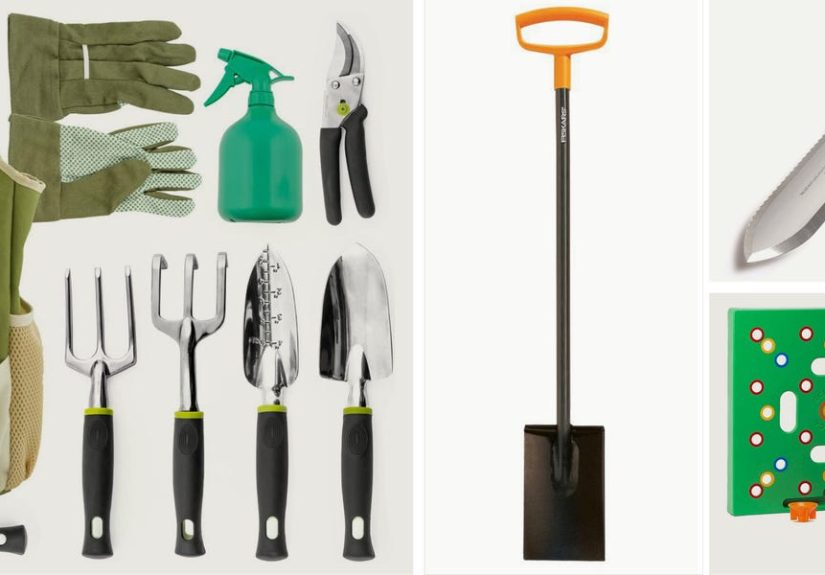
- Example favorites (widely recommended): Felco-style classic pruners for longevity, and Fiskars-style bypass pruners for value and easy cutting.
2) Loppers (When Pruners Aren’t Enough)
Loppers are basically pruners on a stickgreat for thicker branches that would bully your hand pruners. They also keep your fingers farther away from thorny shrubs, which is a strong lifestyle choice.
What to look for: bypass blades for live wood, long handles for leverage, and a comfortable grip. If you have a lot to cut, gear-driven or ratcheting designs can reduce hand strain.
3) A Hori Hori Knife (The “Garden Multitool”)
The hori hori is the tool you didn’t know you neededuntil you use it and start carrying it around like a security blanket. It digs, slices, weeds, plants, and helps you pop out stubborn roots. Many models have depth markings, which is surprisingly handy when planting bulbs or transplanting seedlings.
What to look for: a strong full-tang blade, comfortable handle, and a sheath (because pockets and sharp metal shouldn’t mingle). Stainless steel helps with rust resistance, especially if you garden in damp conditions.
- Example favorites: Nisaku-style hori hori knives were commonly highlighted for durability and sharpness.
4) A Great Trowel (Your Everyday Digging Buddy)
A trowel is the tool you use constantly: planting, transplanting, mixing compost into a hole, rescuing a plant you definitely didn’t mean to bury, and digging up “mystery objects” (often rocks; occasionally last year’s plant label).
What to look for: thick metal that won’t bend, a comfortable handle, and a strong connection between blade and handle (welded or one-piece designs are sturdy). Measurement marks on the blade are a small feature that becomes a big deal when spacing bulbs or planting at consistent depth.
- Example favorites: Wilcox-style heavy-duty trowels often show up in “best of” lists because they’re built like they expect you to garden in a gravel driveway.
5) A Shovel or Spade (For Real Digging, Not “Scratch the Surface”)
If you’re starting beds, digging holes for shrubs, edging, or moving soil and compost, you need a full-size digging tool. Round-point shovels are versatile for digging and moving soil; spades (often flatter) can be better for edging and clean cuts.
What to look for: strong steel, a comfortable D-handle (especially if you have smaller hands), and a sturdy connection at the socket/ferrule area where the handle meets the blade. This is where cheap shovels like to faildramatically.
6) A Hoe (Because Weeds Don’t Take Vacations)
Hoes come in several styles, but for many home gardens a stirrup/scuffle hoe is a favorite: it slices weeds just under the surface with a push-pull motion. For tight spaces and raised beds, a smaller hand hoe can be easier to control.
Pro tip: hoes work best on small weeds. If you wait until weeds have a root system the size of a toddler, you’ve upgraded from “gardening” to “archaeology.”
7) A Hand Cultivator (For Aerating and Breaking Up Soil)
A hand cultivator is great for loosening soil, mixing in compost, and gently working around plants. It’s also helpful when you’re removing small weeds without disturbing nearby roots.
What to look for: strong tines, a comfortable grip, and enough heft to do the job without feeling like a toy.
8) Gloves That Actually Fit Your Life
Gardening gloves are like shoes: there’s no single “best,” but there is definitely a “wrong.” If you prune roses, you need thorn resistance. If you plant seedlings, you need dexterity. If you do everything, you probably need two pairsone tough pair and one flexible pair.
Look for: a snug fit, good grip, and the right balance between protection and flexibility. Bonus points for breathable backs (sweaty hands are not a vibe).
9) Watering Tools That Make You More Consistent
In 2020, lots of gardeners learned the hard way that plants don’t thrive on “whenever I remember.” A simple watering setup can be the difference between thriving beds and a crunchy summer tragedy.
- Garden hose: Consider a lightweight, flexible hose if you find yourself avoiding watering because dragging a heavy hose feels like cardio you didn’t consent to.
- Nozzle/spray gun: A multi-pattern nozzle makes it easier to water gently (seedlings) or blast dirt off tools (your patio, your boots, your dignity).
- Watering wand: Helpful for hanging baskets and deep beds without bending and splashing soil everywhere.
- Rain gauge: Surprisingly useful for avoiding overwatering and understanding what “we got a lot of rain” actually means.
10) A Kneeling Pad or Garden Kneeler (Your Joints Will Thank You)
If you’ve ever stood up after weeding and made a sound that scared nearby wildlife, welcome. A kneeling pad is inexpensive comfort. A kneeler/seat combo is great for planting and pruning in low beds.
11) A Bucket, Tool Tote, or Belt (Because Losing Tools Is a Hobby Too)
The simplest organization trick: keep your core hand tools together. A bucket with a tool organizer, a sturdy tote, or a tool belt reduces the “Where did I put the pruners?” scavenger hunt. (Spoiler: they’re always in the exact spot you already checked three times.)
How to Build a Smart 2020 Toolkit (Without Buying Everything)
The Starter Set (5 Tools That Cover Most Tasks)
- Bypass hand pruners
- Hori hori knife or heavy-duty trowel
- Hand cultivator
- Stirrup hoe (or a small hoe for raised beds)
- Gloves + a kneeling pad
The “I’m Serious Now” Upgrade (If You’re Planting Beds or Shrubs)
- Round-point shovel or spade
- Loppers
- Watering wand or quality nozzle
- Tool tote or bucket organizer
Tool Care: The 10-Minute Routine That Makes Tools Last for Years
In 2020, many gardeners bought tools quicklyand then learned that maintenance is what separates “still works next season” from “why is this rusted into a modern art sculpture?”
Step 1: Clean
Knock off soil and debris after use. Sap and grit shorten a tool’s life and can spread plant disease. A brush and soapy water go a long way, especially before you store tools.
Step 2: Disinfect (Especially for Cutting Tools)
If you’re moving between plantsespecially if disease is a concernwipe or dip cutting blades with an appropriate disinfectant such as 70% isopropyl alcohol. Some guidance also discusses diluted bleach solutions for certain tools, but bleach can be corrosive to metal if not handled carefully. Never mix disinfectants. Always read labels and use protective gear as directed.
Step 3: Sharpen and Oil
Sharp tools are safer and easier to use. A quick touch-up with a file or sharpening stone keeps pruners and shovels working smoothly. After cleaning, a light oil on metal parts helps prevent rust; linseed oil is often used for wooden handles.
One fun, low-effort trick: paint a bright stripe on your favorite tools. It makes them easier to find in tall grassand also makes you feel like the kind of person who definitely has their life together.
Common Shopping Mistakes (And How to Avoid Them)
- Buying the biggest “tool kit” instead of the right tools.
A cheap set with 12 flimsy pieces won’t outperform 3 high-quality essentials. - Ignoring ergonomics.
If the handle hurts your hand in the store, it will hurt more after 30 minutes in the garden. - Going too light-duty for your soil.
Clay or rocky soil needs sturdier shovels and trowels. If your tool bends, it’s not “lightweight,” it’s “temporary.” - Not planning for storage.
A dry place to store tools (shed, garage, covered bin) extends life dramatically.
Final Thoughts
The best gardening tools of 2020 weren’t just trendythey were practical, durable, and made gardening feel doable during a year when everyone needed a small win. Start with a few essentials: a solid pruner, a reliable digging tool, something to weed efficiently, and a watering setup that helps you stay consistent. Then upgrade based on what you actually do in your yard.
Because the real “best tool” is the one you reach for without thinkingthe one that quietly makes gardening easier, faster, and a lot more enjoyable.
of Real-World Tool Experiences (Because Theory Is Cute, But Dirt Is Real)
Imagine it’s spring 2020. You’ve got time, optimism, and a seed packet that promises “abundant harvest” like it’s a legally binding contract. You head outside with a bargain trowel that seemed fine in the storeuntil it meets your actual soil. The first dig bends the blade just enough to make it feel like you’re scooping with a spoon. The second dig turns it into modern sculpture. That’s usually the moment gardeners learn the first rule of tools: the ground always wins.
Then comes the pruner lesson. Many people start by trimming something “small,” like a basil stem. Ten minutes later they’re staring at a shrub, negotiating with it. Cheap pruners often feel sharp for a week, then start crushing stems instead of cutting them. Crushing is sneaky: the plant looks “cut,” but the damaged tissue heals slower and can invite problems. A good bypass pruner feels different immediatelylike slicing a ripe tomato with a real knife instead of tearing it with a butter blade. You don’t have to squeeze with your entire soul. Your hands stop hating you. You stop hating the shrub.
Weeding is where gardeners either find inner peace or develop a dramatic monologue. In 2020, lots of folks discovered that hand-pulling weeds is a fine activity for the first 14 weeds. After that, it becomes an endurance sport. This is where the right tool changes everything. A hori hori knife turns weeding into a satisfying “pop” instead of a frantic tug-of-war. A scuffle hoe makes you feel like you’re sweeping the garden cleanquick strokes, shallow cuts, and suddenly the bed looks respectable again. The key is timing: use these tools on small weeds and you feel like a genius. Wait too long and you’re basically removing small trees.
Watering is the sneaky villain. You can have perfect soil, perfect sun, perfect seedsand still lose momentum if watering feels annoying. Heavy hoses kink, snag, and somehow wrap themselves around everything like they’re auditioning for a knot-tying contest. A lighter, flexible hose plus a comfortable nozzle can make watering feel like a normal daily habit instead of a chore you avoid until plants begin filing complaints. And once you start watering consistently, you notice something magical: plants respond. They grow. They stop being dramatic. Your confidence goes up, which is dangerous because it leads to buying more plants.
Finally, there’s tool carethe unglamorous step that quietly saves money. In real life, the difference between a tool that lasts years and a tool that rusts in a month is often just five minutes: knock off soil, wipe the metal, let it dry, and store it out of the weather. In 2020, plenty of gardeners learned that a little maintenance turns “I need to replace everything” into “I’m ready for spring.” And that feelingbeing ready before the season hitsis one of the best gardening upgrades of all.