Table of Contents >> Show >> Hide
- Why Chicken + Peppers + Pineapple Works So Well
- Ingredients
- How To Make Chicken, Pepper and Pineapple Skewers
- Skewer Secrets That Make This Recipe “Best”
- Food Safety (Because “Chicken Roulette” Is Not a Party Game)
- Easy Variations
- What to Serve With Chicken, Pepper and Pineapple Skewers
- Make-Ahead, Storage, and Leftovers
- FAQ
- Experience Notes (): The Real-Life Stuff That Makes Skewers Easier
- Conclusion
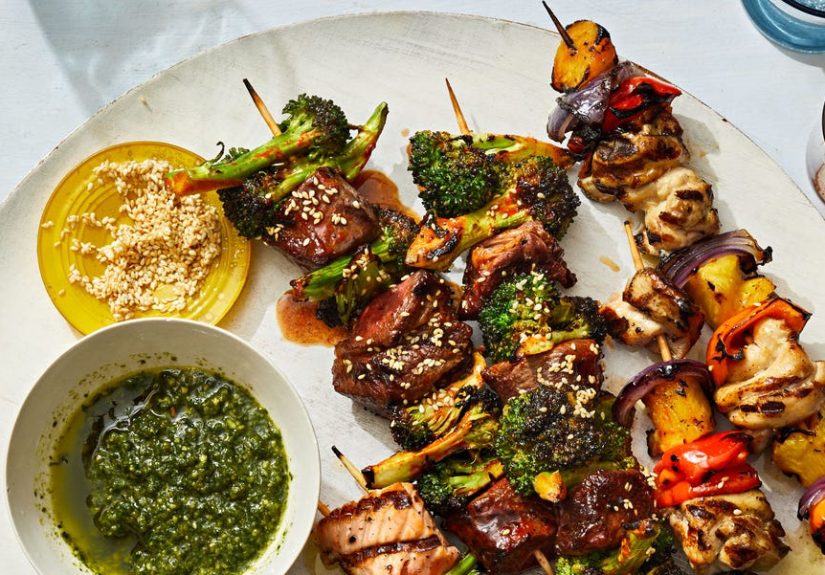
If “weeknight dinner” and “vacation flavor” had a summer baby, it would be chicken, pepper, and pineapple skewers.
You get juicy chicken, sweet-tart pineapple that caramelizes on the grill, and peppers that stay crisp-tender and colorful
(a.k.a. the easiest way to make your plate look like you tried). Best part: these skewers can be as simple as olive oil,
salt, and pepperor you can add a quick sticky glaze that tastes like it came from a backyard cookout legend.
Why Chicken + Peppers + Pineapple Works So Well
This trio hits the holy trinity of grilling: savory, sweet, and smoky. Chicken brings protein and a neutral canvas.
Pineapple adds bright acidity and natural sugars that brown fast, giving you those lightly charred edges everyone fights over.
Bell peppers (or mini sweet peppers) bring crunch, color, and a gentle sweetness that keeps the whole bite from tasting one-note.
The key is balance: keep pieces similar in size so everything cooks at the same pace, and use medium-high heat so you get
caramelization without turning your dinner into a charcoal audition.
Ingredients
For the skewers
- 1 lb boneless, skinless chicken breast or thighs, cut into 1 1/2-inch pieces
- 2 Tbsp olive oil
- 1/2 tsp kosher salt (plus more to taste)
- 1/2 tsp black pepper
- 8 oz fresh pineapple, cut into 1-inch chunks (about 2 cups)
- 6 mini sweet peppers (mixed colors), cut into 1-inch pieces
(or 2 bell peppers, cut into 1-inch squares) - 1/2 small red onion, cut into 1-inch-thick wedges
- Wooden or metal skewers (8 to 10 skewers, depending on length)
Optional “best ever” sticky glaze (highly recommended)
This is the upgrade that makes people ask, “What’s in this?” while pretending they’re not reaching for a third skewer.
It’s inspired by classic sweet-salty BBQ/teriyaki flavors and works as a brush-on finish.
- 1/3 cup low-sodium soy sauce
- 2 Tbsp pineapple juice (from the fruit or canned)
- 2 Tbsp honey (or packed brown sugar)
- 1 Tbsp rice vinegar (or apple cider vinegar)
- 1 tsp toasted sesame oil (optional but delicious)
- 2 garlic cloves, minced
- 1 tsp grated fresh ginger (or 1/4 tsp ground ginger)
- Pinch crushed red pepper flakes (optional, for a little heat)
Equipment
- Grill (gas or charcoal) or grill pan
- Instant-read thermometer
- Tongs
- Small saucepan (if making the glaze)
- Sheet pan or platter for assembled skewers
How To Make Chicken, Pepper and Pineapple Skewers
Step 1: If using wooden skewers, soak them
Soak wooden/bamboo skewers in water for at least 20–30 minutes to reduce scorching and help prevent splitting while threading.
If you use metal skewers, skip this step (but remember: metal gets lava-hot).
Step 2: Preheat the grill
Heat your grill to medium-high. You’re aiming for steady heat that can brown the chicken and lightly char the pineapple
without burning sugars. If your grill has hot spots (most do), plan to rotate skewers during cooking.
Step 3: Season the chicken and vegetables
In a large bowl, toss chicken with olive oil, salt, and pepper until coated. Add pineapple, peppers, and onion and toss again.
This simple seasoning is already excellentthink “fresh, bright, and grill-forward.”
Step 4 (optional): Make the sticky glaze
In a small saucepan, combine soy sauce, pineapple juice, honey, vinegar, sesame oil, garlic, ginger, and red pepper flakes.
Simmer 3–5 minutes until slightly thickened. Turn off heat. Reserve a few tablespoons for finishing at the table.
Glaze rule: sugar burns fast, so don’t brush it on heavily at the beginning. Save most brushing for the last couple minutes.
Step 5: Build the skewers (the “even cooking” trick)
Thread ingredients onto skewers, alternating chicken, pineapple, peppers, and onion.
Keep pieces close but not smashed togetherair gaps help browning.
Onion tip: separate onion layers and thread only 1–2 layers at a time so they cook through without sliding off in a dramatic,
oniony escape attempt.
Step 6: Grill
Place skewers on oiled grates. Grill, turning occasionally, until chicken is cooked through and nicely charred in spots,
about 8–12 minutes depending on piece size and grill heat.
If using the glaze: brush lightly during the final 2 minutes of grilling, turning to set the glaze without scorching.
Step 7: Check doneness, then rest
Use an instant-read thermometer in the thickest chicken piece (avoid touching skewer).
Chicken is done at 165°F. Rest skewers 3–5 minutes before serving so juices settle in and stop trying to run away.
Skewer Secrets That Make This Recipe “Best”
1) Choose thighs for extra forgiveness (but breasts work great)
Chicken thighs stay juicy over a wider range of grill temps and are harder to dry outperfect if you’re multitasking or
chatting near the grill like it’s a campfire. Chicken breast is leaner and still excellent; just keep pieces uniform and don’t overcook.
2) Cut sizes matter more than the marinade
Uniform pieces cook evenly. If your pineapple is tiny and your chicken is chunky, the pineapple will caramelize into candy
while the chicken is still negotiating with rawness. Aim for chicken around 1 1/2 inches and pineapple/peppers around 1 inch.
3) Two-zone grilling saves dinner
If you can, create a hot side (direct heat) and a cooler side (indirect heat).
Sear over direct heat for color, then slide to indirect heat if anything is browning faster than it’s cooking through.
4) Pineapple can “tenderize”… and also overdo it
Pineapple contains enzymes that can break down proteins. That’s great in moderation, but long exposure can make chicken texture
a little too soft. If you’re using pineapple juice in a marinade, keep marinating time reasonable and rely on grilling for flavor.
5) Metal skewers are the easy-mode button
Flat metal skewers help prevent food from spinning when you flip. If you’re team wooden skewers, consider threading food on two
parallel skewers for the same “no-spin” benefit.
Food Safety (Because “Chicken Roulette” Is Not a Party Game)
Use a clean plate for cooked skewers (don’t put them back on the raw-chicken plate), keep tongs and brushes clean, and
don’t rely on looks alonecharred outside doesn’t guarantee cooked inside.
The most reliable move is checking that chicken reaches 165°F in the thickest piece.
Easy Variations
Spicy-sweet “Hot Honey” vibe
Add a spoonful of hot honey (or honey + chili flakes) to the glaze. Finish with lime juice and chopped cilantro.
Teriyaki-ish cookout classic
Use a store-bought teriyaki sauce as the glaze, but still brush mostly at the end so it doesn’t burn.
Sprinkle sesame seeds over the finished skewers for instant “I meant to do that” energy.
BBQ pineapple skewers
Swap the glaze for your favorite BBQ sauce thinned with a little pineapple juice. Serve with grilled corn or slaw.
Veggie boost
Add zucchini coins, mushrooms, or cherry tomatoes. If you add faster-cooking veggies, keep them in larger pieces so they
don’t turn into grill confetti.
What to Serve With Chicken, Pepper and Pineapple Skewers
- Rice: white rice, coconut rice, or cilantro-lime rice to soak up any glaze
- Salad: crunchy slaw, cucumber salad, or a simple green salad with a citrusy dressing
- Grill sides: grilled corn, grilled zucchini, or a quick grilled pineapple “dessert” round
- Sauces: extra reserved glaze, spicy mayo, or a yogurt-lime sauce for cooling contrast
Make-Ahead, Storage, and Leftovers
Make-ahead
You can cut everything earlier in the day and store it separately in the fridge. For best texture, assemble skewers up to a few hours
ahead, cover, and refrigerate. If using a sugary glaze, keep it separate until grilling time.
Storage
Remove leftover chicken, peppers, pineapple, and onion from skewers and refrigerate in an airtight container for up to 3–4 days.
Reheating
Warm gently in a skillet over medium heat or in the microwave in short bursts. If you have glaze, add it after reheating to keep it shiny
instead of sticky-burnt.
FAQ
Can I use canned pineapple?
Yes. Choose chunks (not crushed), drain well, and pat dry so they sear instead of steam. Fresh pineapple browns a little better,
but canned is weeknight-friendly and totally works.
How long should I marinate the chicken?
You don’t have to marinate at all for this recipe. If you want extra flavor, marinate chicken in a savory-sweet mixture for
about 30 minutes to a few hours. Avoid very long marinades if you’re using lots of pineapple juice, since enzymes can soften
the texture more than you want.
No grillcan I still make these?
Absolutely.
- Broiler: Place skewers on a foil-lined sheet pan. Broil 6 inches from heat, turning once, about 10–14 minutes total,
brushing glaze near the end. Verify 165°F. - Grill pan: Cook over medium-high, turning as needed. Work in batches to avoid overcrowding.
- Oven roast (backup plan): Roast at 425°F until chicken reaches 165°F (time varies by piece size), then broil 1–2 minutes
for char.
Experience Notes (): The Real-Life Stuff That Makes Skewers Easier
Skewers look effortlessuntil you’re holding a slippery onion wedge in one hand, a bamboo skewer in the other, and questioning your life choices.
The good news is that most “skewer struggles” repeat in predictable ways, which means the fixes are gloriously repeatable too.
First, the assembly line is your friend. Many home cooks find that prep goes twice as fast when everything is cut and staged in little piles:
chicken pile, pineapple pile, pepper pile, onion pile. It sounds basic, but it prevents the classic mistake of building three perfect skewers,
then realizing you somehow used all the pineapple and have enough chicken left to feed a soccer team. If you’re cooking for a group, it’s also the
easiest way to let people customize (extra pineapple for the sweet-tooths, more peppers for the veggie folks, fewer onions for the “I love you but
onions don’t love me” crowd).
Second, “even cooking” is mostly about geometry, not talent. When chicken pieces are too big, you end up leaving skewers on the grill longer,
which dries out peppers and turns pineapple into sticky charcoal. When chicken is too small, it cooks fastbut can dry out before you get nice color.
The sweet spot is consistent, medium-sized pieces and a grill that’s truly preheated. A lot of disappointing skewers come from impatience:
tossing them on before the grill is hot enough, then overcooking while waiting for browning to show up.
Third, skewers behave better when they’re not overcrowded. Packing pieces too tightly blocks airflow and encourages steaming. Leaving tiny gaps helps
edges brown and gives pineapple that caramelized, slightly smoky flavor that screams “summer.” If pieces keep spinning when you flip (especially on round
metal skewers or thin bamboo), the “two-skewer trick” is a lifesaver: thread the same ingredients across two parallel skewers so everything stays aligned.
It’s a small change that makes flipping feel less like playing a carnival game.
Fourth, sauce timing is everything. Sticky glazes taste amazing, but sugar is dramatic on a hot grill. A common backyard experience is brushing on sauce
too early, then getting blackened patches before the chicken is done. The fix is to cook most of the way first, then brush during the final couple minutes
so it sets into a shiny coating. If you want extra sauciness, reserve a clean portion for servingno double-dipping raw-chicken marinade, ever.
Finally, accept that grills have moods. Hot spots happen. Wind happens. Someone will ask you a question right when you need to flip. The reliable way to
stay calm is using a thermometer and a two-zone setup: sear for color over direct heat, then slide to a cooler area if pieces are browning too fast.
When you treat the grill like a tool instead of a test, these skewers become what they’re meant to be: a low-stress, high-reward dinner that tastes like
you’re on vacationeven if you’re eating it standing over the sink like a true weeknight champion.
Conclusion
Chicken, pepper, and pineapple skewers are proof that “simple” can still be memorable. Keep the cuts consistent, grill hot and steady, glaze late,
and cook chicken to 165°F. Do that, and you’ll get skewers with juicy chicken, caramelized pineapple, and peppers that still have a little bite
the kind of dinner that makes people hover near the platter like it’s giving out prizes.