Table of Contents >> Show >> Hide
- How Milk Affects Your Cholesterol Levels
- Best Dairy Milks for Cholesterol
- Worst Dairy Milks for Cholesterol
- Best Plant-Based Milks for Cholesterol
- Plant-Based Milks That May Not Be So Heart Friendly
- How to Choose the Best Milk for Your Cholesterol
- Summary: Best and Worst Milks for Your Cholesterol Levels
- Real-Life Experiences: What Switching Milks Actually Feels Like
If you’ve just been told your LDL (“bad”) cholesterol is creeping up, your morning coffee suddenly feels like a high-stakes science experiment. Whole milk? Oat milk? Something made from almonds, peas, or possibly unicorns? With so many options, it’s fair to ask which milks are best and worst for your cholesterol levels.
The short version: saturated fat and added sugar are the big things to watch, and different milks land very differently on that spectrum. Health organizations like the American Heart Association (AHA) still recommend limiting saturated fat because it can raise LDL cholesterol and heart disease risk. Meanwhile, plant-based milks generally contain no cholesterol and less saturated fat, though some are basically dessert in a carton.
Let’s break down how milk affects cholesterol, then walk through the best and worst options for your heart.
How Milk Affects Your Cholesterol Levels
Cholesterol in your blood is influenced more by the types of fat you eat than by the cholesterol in food itself. Modern guidelines focus less on “dietary cholesterol” and more on limiting saturated fat and replacing it with unsaturated fats from plants, nuts, and fish.
Saturated Fat, LDL, and Your Heart
Saturated fat is found in animal products like butter, cheese, and full-fat dairy, plus tropical oils such as coconut. Decades of research show that saturated fats can raise LDL cholesterol and, in many people, increase heart disease risk. For people with high cholesterol or existing heart disease, the AHA recommends keeping saturated fat under about 6% of total caloriesaround 11–13 grams per day on a 2,000-calorie diet.
Because dairy fat is mostly saturated, traditional advice has been “choose low-fat or fat-free milk.” However, newer studies suggest dairy overall may be “neutral” for heart disease risk, meaning it doesn’t significantly raise or lower risk compared with other foods when eaten in moderation. That said, if your LDL is high, many cardiology and heart-health groups still lean toward reduced-fat options to keep saturated fat intake in check.
Why Plant-Based Milks Are Different
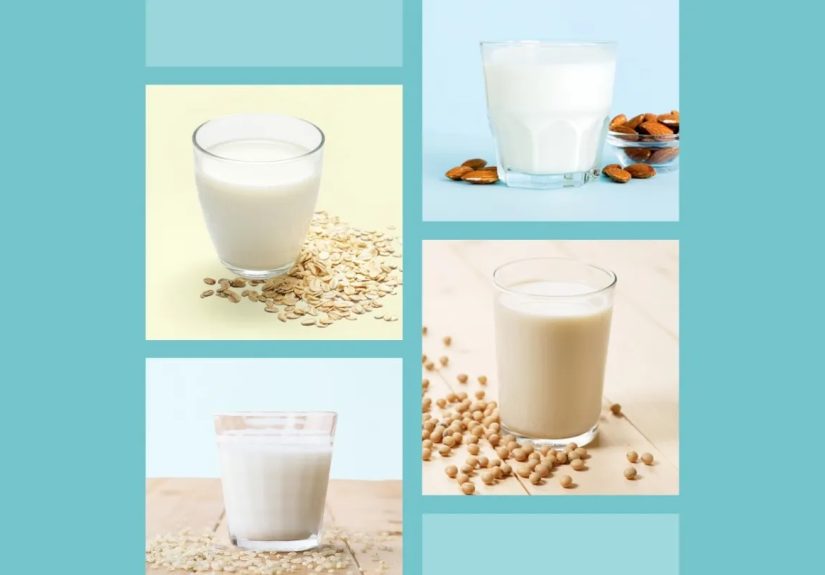
Plant-based milkslike soy, oat, almond, cashew, hemp, or flax milkare made from plants that contain no cholesterol and often more unsaturated fats. Some, especially soy, can even modestly lower LDL when they replace animal proteins. That’s why many experts consider unsweetened plant-based milks top picks for people managing cholesterol.
The catch? Nutrition varies wildly by brand: some are fortified (with calcium, vitamin D, B12), others are sugary, and a few are mostly flavored water. Reading labels becomes a survival skill.
Best Dairy Milks for Cholesterol
1. Skim Milk (Fat-Free) – Best Traditional Dairy Pick
Why it can be helpful: Skim milk has virtually no fat, including saturated fat, and no cholesterol from the fat portion. Yet it still provides high-quality protein, calcium, and vitamin D when fortified.
If you’re used to whole milk, skim can taste “watery” at first, but many people adjust after a couple of weeks. From a cholesterol standpoint, it’s a very efficient way to keep dairy in your diet while staying within saturated fat limits recommended by heart-health organizations.
2. 1% Milk – Good Middle Ground
One-percent (low-fat) milk still contains some fat, but far less saturated fat than whole or 2% milk. It also has the same protein and calcium as higher-fat versions.
If you find skim milk too thin but want to be kind to your LDL, 1% is a solid compromise. For many people with mildly elevated cholesterol, 1% milk fits comfortably into a heart-healthy eating patternespecially when the rest of the diet leans heavily on fruits, vegetables, whole grains, and unsaturated fats.
3. 2% Milk – “Okay” for Some, but Not Ideal if LDL Is High
Two-percent (reduced-fat) milk has less saturated fat than whole milk but significantly more than skim or 1%. Each cup adds a few more grams of saturated fat toward your daily limit.
Recent research suggests that dairy fat, including from 2% milk, may not be as harmful for heart disease risk as once thought, especially when your overall diet is balanced. Still, if your LDL is already high or you’ve had a heart attack or stroke, most experts would nudge you to step down to 1% or skim.
Worst Dairy Milks for Cholesterol
4. Whole Milk – The “Sometimes” Milk
Whole milk contains around 5 grams of saturated fat per cup, compared with essentially none in skim. That’s a big chunk of your daily saturated fat budget if you’re trying to keep LDL down.
Newer studies, including some large reviews, suggest that whole-fat dairy may be neutral for heart disease risk overall. But “neutral” doesn’t mean “great” if you personally already struggle with high LDL or have a strong family history of heart disease. In those cases, experts still tend to recommend limiting whole milk or using it as an occasional treat rather than a daily staple.
5. Flavored or Sweetened Dairy Milks – Double Trouble
Chocolate, strawberry, and other flavored milks may contain the same saturated fat as the base milk plus a hefty dose of added sugar. That combo isn’t ideal for cholesterol, blood sugar, or weight management.
Added sugars don’t directly raise LDL, but diets high in added sugar can contribute to higher triglycerides, fatty liver, and weight gain, all of which can worsen your overall cardiometabolic risk profile. If you love flavored milk, look for “no added sugar” versions or treat it like a dessert, not a daily drink.
Best Plant-Based Milks for Cholesterol
Plant-based milks don’t contain cholesterol at all, and many are naturally low in saturated fat. The key is to choose unsweetened versions and brands that are fortified so you’re not missing out on calcium or vitamin D.
6. Soy Milk – The MVP for Cholesterol
Soy milk is the overachiever of plant milks. It usually matches cow’s milk for protein (about 7–8 grams per cup) but contains mostly unsaturated fats and no cholesterol.
Several studies and meta-analyses show that replacing some animal protein with soy can reduce LDL cholesterol and non-HDL cholesterol modestly, especially when part of an overall heart-healthy diet. For that reason, unsweetened, calcium-fortified soy milk is often considered one of the best milks to drink if you’re trying to improve your cholesterol levels.
7. Oat Milk – Great Texture, Great for LDL (Usually)
Oat milk is naturally higher in carbohydrates and may contain a type of soluble fiber (beta-glucan) linked with lower LDL cholesterol. In practice, that means unsweetened oat milk can be a heart-friendly choice, particularly if you like a creamy texture in coffee and cereal.
The warning label here is sugar: some oat milks are heavily sweetened or use enzymes that turn oat starch into sugars, bumping the total sugar content. Check the label and choose “unsweetened” or versions with minimal added sugar.
8. Almond, Cashew, and Other Nut Milks – Light but Heart-Friendly
Almond, cashew, and macadamia milks tend to be low in calories and saturated fat but higher in heart-healthy unsaturated fats. They usually contain very little protein, so think of them as a “vehicle” for coffee, smoothies, or cereal, not a protein powerhouse.
From a cholesterol perspective, unsweetened nut milks are generally excellent choices: low in saturated fat, no cholesterol, and often fortified with calcium and vitamin D. Just avoid the sugary versions that turn your latte into a stealth milkshake.
9. Hemp, Flax, and Pea Milks – Underrated All-Stars
Hemp and flax milks often provide omega-3 or omega-6 fatty acids, which are unsaturated fats associated with better heart health when they replace saturated fat. Pea protein milks are higher in protein and also low in saturated fat and cholesterol-free.
These options can be excellent for people who need non-soy, non-nut alternatives but still care about cholesterol and overall cardiometabolic health.
Plant-Based Milks That May Not Be So Heart Friendly
10. Sweetened or Flavored Plant Milks
Just like flavored dairy milk, sweetened plant milks can pack in a lot of added sugar, which doesn’t help your triglycerides, waistline, or blood sugar control. The front label might say “heart healthy,” but the nutrition panel may tell a different story.
Look for versions labeled unsweetened or those with 0 grams of added sugar per serving. If you need sweetness, you can add a small splash of honey or fruit yourself and control the amount.
11. Coconut Milk Beverage – High Saturated Fat in a Plant Package
Coconut milk sold as a beverage (not the canned cooking version) often contains a lot more saturated fat than other plant-based milks. It behaves more like dairy fat in terms of its effect on blood lipids and is generally not the first choice if you’re trying to lower LDL.
If you love coconut milk, try using small amounts for flavor rather than making it your everyday milk. Rotate in soy, oat, hemp, or almond milk for regular use.
How to Choose the Best Milk for Your Cholesterol
Step 1: Check Saturated Fat and Added Sugar
As a general rule:
- Aim for 0–1 gram of saturated fat per serving if you’re actively lowering LDL.
- Choose 0 grams added sugar per serving whenever possible.
This simple label habit automatically pushes you toward skim or 1% dairy milk, or unsweetened plant-based milks like soy, oat, or almond.
Step 2: Make Sure It’s Fortified
If you switch away from cow’s milk, choose plant milks fortified with calcium and vitamin D, and ideally B12 if you’re mostly plant based. That way, your bones and your heart both stay happy.
Step 3: Think About the Whole Diet, Not Just the Carton
Your milk choice matters, but it sits inside a much bigger picture: overall calories, fiber intake, how much ultra-processed food you eat, and how active you are. Replacing some animal fats with plant proteins and unsaturated fats is a consistent win for LDL and overall heart health.
If you love whole milk and your cholesterol is only mildly elevated, your doctor or dietitian may help you find a middle ground that still fits within your saturated fat goals. If your LDL or triglycerides are significantly highor you have a history of heart diseasethey may push harder toward low-fat dairy or plant-based options.
Always talk with your healthcare provider or a registered dietitian before making big changes, especially if you already have heart disease, diabetes, or other chronic conditions.
Summary: Best and Worst Milks for Your Cholesterol Levels
Generally “Best” Choices
- Skim or 1% cow’s milk (especially if you want to keep dairy)
- Unsweetened, fortified soy milk
- Unsweetened oat milk with reasonable sugar and some fiber
- Unsweetened almond, cashew, hemp, flax, or pea milks
Use Sparingly or with Caution
- Whole milk, especially if LDL is high
- 2% milk for people with significant cholesterol problems
- Flavored or sweetened milks (dairy or plant-based)
- Coconut milk beverages high in saturated fat
Think of milk as just one lever in your overall heart-health strategy. If that lever can make your coffee taste great and help your cholesterol at the same time, that’s an easy win.
Real-Life Experiences: What Switching Milks Actually Feels Like
On paper, the advice sounds simple: “Just switch to skim or plant-based milk.” In real life, your taste buds might file a formal complaint. Here are some common experiences people share when they start choosing milks with their cholesterol in mind.
The “Two-Week Adjustment” Rule
Many people report that the first few days on skim or 1% milk feel…tragic. Coffee tastes weak, cereal feels sad, and lattes lose their café drama. But there’s a pattern: after about two weeks, your taste buds begin to recalibrate. What once seemed “watery” starts to taste normal, and whole milk suddenly feels incredibly rich, almost like cream.
It’s similar with plant-based milks. At first, soy or oat milk can taste a little “different,” especially if you’re used to the sweetness and mouthfeel of whole milk. But after a short adjustment period, many people actually prefer the lighter, less greasy feel.
The Coffee People vs. Cereal People
If you’re a coffee-first human, your milk decision often lives or dies in your morning mug. People who switch to soy or oat milk often find they get the best foam and texture for lattes and cappuccinos, with the bonus of a better fat profile for cholesterol. Almond milk can be hit-and-miss in hot drinks unless you pick a “barista” version, which is designed to foam better.
Cereal fans, on the other hand, often care more about how milk behaves in a bowl. Unsweetened almond or cashew milk keeps things light, but can feel thin. Oat milk is creamier and closer to the “classic” cereal experience. Skim milk works well if you stay with dairy, especially if you add fiber-rich cereals that also help your cholesterol.
Label Shock (and Then Label Power)
Another common experience: the first time you seriously read milk labels, you realize how big the differences are. One carton might have 5 grams of saturated fat and 12 grams of added sugar; the next has 0 saturated fat and 0 added sugar. Once that clicks, choosing becomes less about brand loyalty and more about “Will this help or sabotage my cholesterol goals?”
Over time, people often report feeling more in control: instead of guessing, they quickly flip the carton, scan for saturated fat and added sugar, and decide in under 10 seconds. It’s a small daily habit that reinforces the feeling that you’re actively doing something for your heart health.
Small Switch, Real Motivation
Even though changing your milk alone won’t magically transform your cholesterol, it can be a powerful psychological win. It’s a visible, repeatable choice you make every dayon your cereal, in your coffee, in your smoothiethat reminds you you’re taking care of yourself.
Many people use that momentum to tackle other changes: swapping butter for olive oil, adding beans a few times a week, or choosing nuts instead of chips. In that sense, picking a heart-healthy milk is less about the carton and more about the mindset it encourages.
So if you’re standing in the dairy aisle, staring at 20 types of milk and feeling overwhelmed, remember this: you don’t have to be perfect. Start by picking something with low saturated fat, no added sugar, and nutrients that support your overall health. Then give yourself a couple of weeks to adjust. Your coffee, your cereal, and your cholesterol can all learn to get along.