Table of Contents >> Show >> Hide
- What Is Whole-Body Cryotherapy?
- How Whole-Body Cryotherapy May Help After a Workout
- What the Research Really Suggests
- When Whole-Body Cryotherapy Makes the Most Sense
- When It May Not Be the Best Choice
- Safety Matters More Than Looking Tough
- How to Use Whole-Body Cryotherapy Strategically
- Common Experiences People Report After Whole-Body Cryotherapy
- Final Takeaway
After a hard workout, your body has opinions. Your quads complain on the stairs. Your shoulders file a formal grievance. And your calves? They behave like they were personally offended by hill sprints. That post-workout soreness is exactly why whole-body cryotherapy has become such a trendy recovery tool. The pitch is simple: step into an ultra-cold chamber for a few minutes, come out feeling fresher, looser, and less like a human pretzel.
But is whole-body cryotherapy actually helpful after exercise, or is it just a fancy way to feel like a superhero in a freezer? The honest answer sits somewhere in the middle. Whole-body cryotherapy may help reduce soreness, dull pain, and make recovery feel easier in the short term. At the same time, it is not a magic shortcut, and it is not automatically the best move after every workout.
If you are thinking about adding it to your routine, the smartest approach is to understand what whole-body cryotherapy can do, what it probably cannot do, and when it makes the most sense. Because recovery is not just about doing something dramatic. Sometimes the coldest tool in the room is not the most useful one.
What Is Whole-Body Cryotherapy?
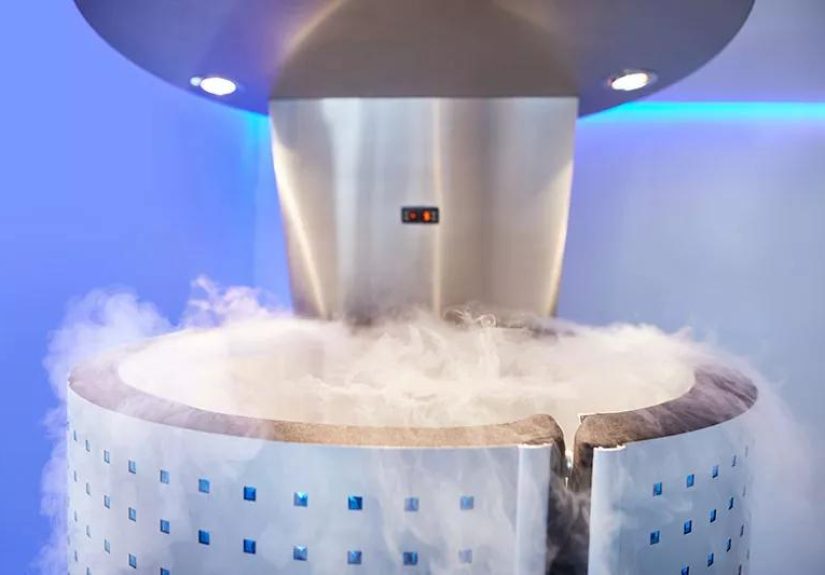
Whole-body cryotherapy is a recovery treatment that exposes your body to extremely cold, dry air for a short period, usually around two to four minutes. Sessions often happen in a chamber or booth, with temperatures that can drop far below what you would experience in an ice bath. You usually wear minimal clothing plus protective gear for your hands, feet, ears, and sometimes your face.
The theory is that the extreme cold causes blood vessels near the skin to constrict, reduces the sensation of pain, and triggers a rebound effect when you warm up afterward. That rewarming phase is often described as part of the recovery appeal. In plain English, the chamber is supposed to make your body say, “Well, that was intense,” and then bounce back feeling calmer and less irritated.
It is important to note that whole-body cryotherapy is different from an ice pack, a cold plunge, or a targeted medical cold treatment. It is also different from the kind of cryotherapy used in dermatology or cancer care. In the workout-recovery world, this version is about brief cold exposure for soreness and recovery support, not treatment of a disease.
How Whole-Body Cryotherapy May Help After a Workout
1. It May Reduce Delayed-Onset Muscle Soreness
The biggest potential benefit of whole-body cryotherapy after exercise is simple: you may feel less sore. That matters more than it sounds. When delayed-onset muscle soreness hits, even basic tasks can feel oddly theatrical. Sitting down becomes a trust fall. Standing up becomes a negotiation.
Cold exposure may help calm some of the post-exercise discomfort that shows up 24 to 72 hours after a hard session. This is one reason athletes often use whole-body cryotherapy after intense training blocks, races, or back-to-back events. If your goal is to feel less beaten up tomorrow, cryotherapy may help make the next day more manageable.
That said, “less sore” does not always mean “more recovered” in every physiological sense. It often means you feel better, and that can still be valuable. Perception matters in recovery. If your legs feel good enough to move well, sleep well, and train again on schedule, that is not nothing.
2. It Can Offer Short-Term Pain Relief
Cold has a numbing effect. That is one reason cryotherapy may be useful after a workout that leaves you achy, tender, or stiff. Many people report that they feel lighter, looser, or less irritated in the hours after a session. The relief is usually short-term, but short-term relief can be a big deal when your schedule does not care that yesterday was leg day.
This benefit is especially appealing after high-volume training, repeated sprint sessions, tournaments, long runs, or workouts that cause a lot of muscular soreness. If the goal is to take the edge off, whole-body cryotherapy may do that reasonably well.
3. It May Help When You Need a Fast Turnaround
One of the strongest arguments for whole-body cryotherapy is strategic recovery between closely spaced workouts or competitions. Think of a soccer player with matches on consecutive days, a tournament athlete with repeated performances, or a runner in a heavy training week who does not have the luxury of full rest.
In those situations, recovery is less about building the perfect long-term adaptation and more about being functional again quickly. When you need your body to calm down fast, cryotherapy may help reduce soreness and make the next effort feel less miserable.
This is where whole-body cryotherapy often makes the most sense: not as a daily ritual for every gym session, but as a tactical tool for high-demand periods.
4. It May Improve the Feeling of Recovery
There is also a psychological side to all of this. Recovery is not only biochemical. It is experiential. Some athletes feel more refreshed, focused, or mentally reset after cryotherapy. Part of that may be the cold itself, part may be the ritual, and part may be the sense that they have done something deliberate for recovery.
That does not mean the effect is fake. If a brief session helps you feel sharper and more ready to train, that can influence your confidence, your movement quality, and your willingness to show up strong for the next workout. Recovery is partly physical and partly mental, and the two are not enemies.
5. It Is Quick and Low-Effort
Let’s be honest: one hidden benefit of whole-body cryotherapy is that it is short. There is no 20-minute ice bath, no tub cleanup, and no extended session lying on the floor pretending foam rolling is fun. You step in, survive a few very cold minutes, step out, and get on with your day.
For busy people, that convenience matters. A recovery strategy that fits your actual life is more useful than a perfect recovery strategy that never happens because you do not have time.
What the Research Really Suggests
Here is where the frozen hype needs a warm reality check. Research on whole-body cryotherapy after exercise is promising in some areas, but it is not definitive. Studies suggest the treatment may reduce muscle pain and soreness after strenuous exercise. However, the evidence is less consistent when it comes to meaningful improvements in strength, power, or long-term performance.
In other words, whole-body cryotherapy may help you feel better faster, but that does not always translate into measurable athletic improvement. That distinction matters. Relief and readiness are useful outcomes, but they are not the same thing as enhanced training adaptation.
There is also an important wrinkle for strength athletes: frequent use of cold-based recovery after resistance training may not be ideal if your main goal is muscle growth or maximizing adaptation. Your body uses inflammation and repair signaling as part of the training response. If you aggressively cool things down after every lifting session, you may be tamping down some of the very processes that help build strength and muscle over time.
That does not mean cryotherapy is bad. It means context matters. Using it after a brutal tournament weekend is different from using it after every routine hypertrophy workout like it is part of your gym uniform.
When Whole-Body Cryotherapy Makes the Most Sense
Whole-body cryotherapy tends to make the most sense in these situations:
- After unusually intense workouts that create major soreness
- During tournaments, competitions, or training camps with short recovery windows
- After endurance events like long races or high-mileage training days
- When you want short-term pain relief without adding more physical load
- When you respond well to cold and have no medical reason to avoid it
It may be less useful as a default move after every normal workout, especially if you are in a muscle-building phase and already recovering well with sleep, food, hydration, and sensible programming.
When It May Not Be the Best Choice
Whole-body cryotherapy is not a replacement for the boring champions of recovery. Sleep still matters more. Nutrition still matters more. Hydration still matters more. A well-planned training program still matters more. Cryotherapy is the sidekick, not the superhero.
It may also be a poor fit if you are using it because you think soreness is automatically bad. A little soreness is often just part of training, especially when you increase intensity, volume, or novelty. The goal is not to eliminate every sign that your body worked hard. The goal is to recover well enough to train productively.
If you are lifting primarily for hypertrophy or long-term adaptation, it may be wiser to use whole-body cryotherapy selectively rather than constantly. Save it for the sessions that truly wreck you, the weeks with unusually high demand, or the moments when rapid recovery matters more than maximizing training signal.
Safety Matters More Than Looking Tough
Whole-body cryotherapy may look cool on social media, but this is still an extreme cold exposure. That means it is not appropriate for everyone. People who are pregnant or who have heart conditions are often advised to avoid it. Other conditions that may raise concern include poor circulation, uncontrolled high blood pressure, cold sensitivity, certain autoimmune issues, nerve problems, or any history that makes extreme temperature exposure risky.
If you are considering it, talk with a qualified healthcare professional first if you have any medical concerns. And if you do try it, use a reputable facility that screens clients, supervises sessions, limits exposure time, and provides proper protective gear. “Safe enough because my friend did it” is not a medical protocol.
You should also skip it if you have open wounds, are feeling unwell, or notice unusual symptoms during exposure. Frostbite, skin irritation, rashes, and other cold-related injuries are real risks. Recovery should not leave you needing recovery from your recovery.
How to Use Whole-Body Cryotherapy Strategically
If you want the benefits of whole-body cryotherapy without turning it into a frozen religion, strategy is everything.
Use It for High-Need Moments
Try it after the hardest sessions, races, or competition weekends, not automatically after every workout.
Match It to Your Goal
If your priority is feeling ready again quickly, cryotherapy may be helpful. If your priority is squeezing every last ounce of adaptation from a strength block, routine use may be less appealing.
Keep Expectations Realistic
Whole-body cryotherapy may reduce soreness and help you feel refreshed. It is not likely to erase fatigue, undo poor sleep, fix under-fueling, or rescue a bad training plan.
Stack It on Top of the Basics
Use it after you have already handled the fundamentals: protein intake, carbohydrates for replenishment, hydration, mobility work, a calm cool-down, and enough rest. The basics are the cake. Cryotherapy is just the icing, and nobody should live on icing alone.
Common Experiences People Report After Whole-Body Cryotherapy
The following experiences reflect common patterns people describe around whole-body cryotherapy after a workout. They are not guarantees, and they do not happen for everyone. Think of them as realistic recovery scenarios, not miracle stories with dramatic soundtrack music.
A common post-leg-day experience is that the soreness does not disappear, but it becomes less rude. Someone who usually dreads stairs the morning after squats may still notice tight quads, yet the discomfort feels duller and movement feels a bit smoother. That difference can be meaningful. It is not “I am reborn,” but more like “I can sit down without writing a will.”
Endurance athletes often describe a different kind of benefit. After a long run, race, or brutal interval session, they may not notice a huge change in raw speed the next day, but they sometimes report that their legs feel less heavy and more cooperative. There is less of that cement-block sensation that makes even an easy recovery jog feel like a dramatic life choice.
Field and court sport athletes sometimes value whole-body cryotherapy most during high-density schedules. For example, after one hard match, a player may use it mainly to reduce soreness before another match the next day. In that context, the treatment is not really about long-term athletic transformation. It is about being able to cut, sprint, and compete again without feeling like every muscle filed for leave.
People new to whole-body cryotherapy often describe the session itself as more mentally challenging than physically painful. The first minute can feel shocking, the second minute feels long, and by the final stretch many people are intensely aware that three minutes is somehow both short and eternal. Afterward, some report a quick burst of alertness or a “woken up” feeling, almost like their nervous system got a surprise memo.
Strength-focused gym-goers often have the most mixed experiences. Some love the short-term relief, especially after a punishing lower-body day or a high-volume training block. Others decide it is not worth using too often because the soreness was tolerable anyway, and they would rather let the normal training response run its course. For them, cryotherapy becomes a sometimes tool, not a lifestyle.
Another common experience is disappointment caused by unrealistic expectations. A person may try one session expecting to feel brand-new by the next morning, only to discover they are still sore, just a little less miserable. That does not mean the treatment failed. It means recovery is rarely dramatic. More often, it is about small improvements in comfort, mobility, and readiness.
There are also people who simply do not enjoy it. Some dislike the intense cold, some find the cost hard to justify, and some feel no meaningful difference afterward. That is part of the reality, too. Recovery is individual. What feels amazing to one athlete may feel overrated to another.
Perhaps the most realistic takeaway from reported experiences is this: whole-body cryotherapy tends to work best when used with a clear purpose. The people who benefit most often use it because they need quicker relief, faster turnaround, or a manageable way to reduce soreness during a demanding stretch. The people who are least impressed usually expect it to replace sleep, nutrition, or time. Sadly, even the coldest chamber on Earth cannot freeze bad recovery habits into good ones.
Final Takeaway
Whole-body cryotherapy after a workout can offer real benefits, especially for short-term soreness relief, temporary pain reduction, and fast turnaround between demanding training sessions. It may also help some people feel mentally refreshed and more prepared for the next effort. Those are worthwhile benefits, and they explain why so many athletes keep it in the recovery toolbox.
At the same time, whole-body cryotherapy is not a universal must-do. The science is still evolving, and the strongest benefits appear to center on how you feel rather than dramatic improvements in performance or long-term physical adaptation. If you train mainly to build muscle and strength, using it after every single workout may not be your smartest move.
The best approach is strategic, not obsessive. Use whole-body cryotherapy when you need help with soreness, when the turnaround between sessions is tight, or when recovery demands are temporarily high. But keep the basics in first place. Sleep deeply. Eat well. Hydrate like an adult. Program your training intelligently. Then, if you want an extra recovery tool that may help take the edge off, cryotherapy can absolutely earn its spot.