Table of Contents >> Show >> Hide
- Quick Overview: What You’re Making
- Ingredients
- Why Restaurant Beef and Broccoli Tastes Better (And How to Steal That Magic)
- Step-by-Step: Classic Beef and Broccoli Stir-Fry
- What Cut of Beef Works Best?
- Easy Variations (Pick Your Adventure)
- Troubleshooting: Fixes for Common “Oops” Moments
- Serving Ideas
- Storage and Food Safety
- Real-Life Cooking Experiences & Lessons Learned (Because This Dish Has Taught People Things)
- Conclusion
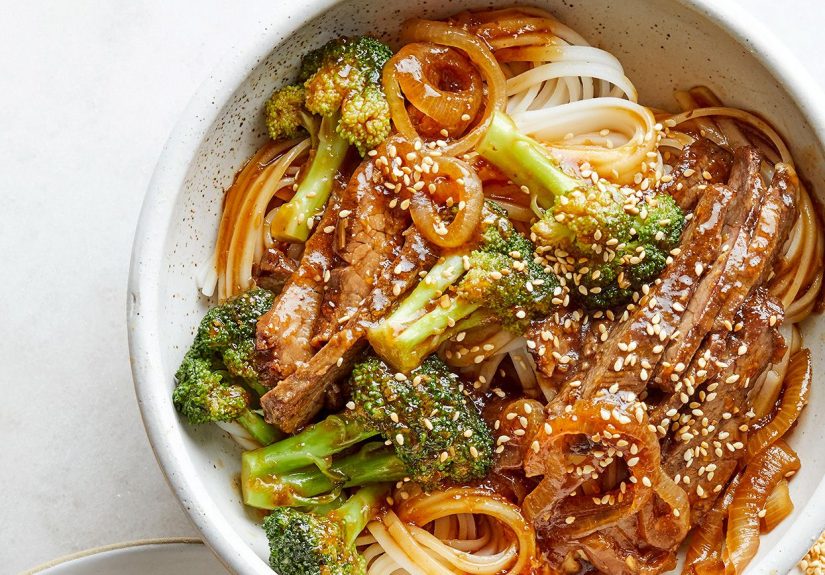
Beef and broccoli is the “little black dress” of weeknight dinners: it looks fancy, goes with everything (hello, rice),
and somehow always feels like the right decision. It’s also one of those dishes that can taste exactly like restaurant
takeout at homewithout the suspenseful drive where you wonder if the bag is leaking sauce onto your car seat.
This in-depth guide gives you a classic Chinese-American style beef and broccoli recipe with a glossy, savory-sweet sauce,
tender beef, and broccoli that stays bright and crisp-tender. You’ll also get smart technique notes (so the beef doesn’t turn into
“chewable résumé paper”), easy swaps, and a troubleshooting section that basically serves as your culinary legal team.
Quick Overview: What You’re Making
- Flavor: savory, lightly sweet, deep umami, garlicky-ginger warmth
- Texture: tender beef, crisp-tender broccoli, silky sauce that clings (not drips away sadly)
- Time: ~30–40 minutes (faster if your knife skills are less “movie montage” and more “real life”)
- Difficulty: easy-to-medium (the “medium” is mostly about timing and heat)
Ingredients
For the Beef
- 1 to 1¼ lb flank steak, skirt steak, sirloin, or flat iron
- 1 tbsp soy sauce (or tamari for gluten-free)
- 1 tbsp Shaoxing wine or dry sherry (optional, but helpful)
- 1 tbsp cornstarch
- 1 tsp neutral oil (canola, avocado, grapeseed)
- ½ tsp sugar (optional; helps browning and balances salt)
- ¼ tsp baking soda or 1 tsp baking powder (optional tenderizing shortcut)
- Black pepper (a few grinds)
For the Broccoli
- 4–6 cups broccoli florets (about 2 medium heads)
- 2–3 tbsp water (for quick steaming in the pan)
- Pinch of salt (optional)
For the Sauce (The “Why Would I Ever Order Takeout Again?” Part)
- ½ cup low-sodium beef broth or chicken broth
- 3 tbsp soy sauce (or tamari)
- 2 tbsp oyster sauce
- 1–2 tbsp brown sugar (start with 1; add more if you like it sweeter)
- 1 tbsp hoisin sauce (optional, for extra depth)
- 1 tbsp rice vinegar (optional, for brightness)
- 1½ tbsp cornstarch (for that shiny, clingy sauce)
- 1 tsp toasted sesame oil (add at the end for aroma)
- ½ tsp red pepper flakes (optional, if you like a little drama)
Aromatics (Small Amount, Big Attitude)
- 4 garlic cloves, minced
- 1 tbsp fresh ginger, minced or grated
- 2–3 scallions, sliced (whites for cooking, greens for topping)
For Serving
- Steamed jasmine rice, brown rice, or noodles
- Sesame seeds (optional)
Why Restaurant Beef and Broccoli Tastes Better (And How to Steal That Magic)
The secret isn’t a mysterious “takeout spice packet.” It’s techniquemainly how the beef is prepared and
how the sauce thickens.
1) Slice Against the Grain (Your Jaw Will Thank You)
Flank and skirt steak have long muscle fibers. If you slice with the grain, you get long strands that fight back.
Slice across the grain into thin strips for tenderness. A handy trick: chill the steak in the freezer
for 15–20 minutes so it firms up and slices cleanly.
2) Velvet the Beef (A Little Cornstarch = A Lot of Tender)
“Velveting” is a classic stir-fry method where meat is coated with cornstarch (often with a bit of liquid and oil) to
protect it in high heat. The result: tender, silky beef that stays juicy. A tiny amount of baking soda or baking powder
can also help tenderizejust don’t overdo it, or the flavor can get weirdly “science fair.”
3) Sauce Thickens FastSo Timing Matters
Cornstarch turns your sauce glossy and clingy, but it thickens quickly once it hits heat. This is why stir-fries move fast:
you want everything ready before you start cooking (aka “mise en place,” which is French for “don’t panic later”).
Step-by-Step: Classic Beef and Broccoli Stir-Fry
Step 1: Prep and Marinate the Beef (10 minutes + rest)
- Slice steak thinly against the grain into bite-size strips.
- In a bowl, mix soy sauce, Shaoxing wine (if using), cornstarch, oil, sugar, pepper, and the optional baking soda
or baking powder. Toss beef until coated. - Let it rest for 20–30 minutes (or up to overnight, covered in the fridge).
Step 2: Mix the Sauce (2 minutes)
- In a separate bowl, whisk broth, soy sauce, oyster sauce, brown sugar, hoisin (optional), rice vinegar (optional),
cornstarch, and red pepper flakes (optional). - Set aside. (Give it one more whisk right before adding to the pancornstarch likes to settle like it pays rent.)
Step 3: Cook the Broccoli (3–5 minutes)
You have two great options:
- Pan-steam method (easy): Heat 1 tbsp oil in a large skillet/wok over medium-high heat. Add broccoli and a pinch of salt,
then splash in 2–3 tbsp water. Cover 2 minutes, then uncover and stir until crisp-tender.
Transfer broccoli to a plate. - Blanch method (more “restaurant”): Briefly boil broccoli 60–90 seconds, then drain and pat dry. This helps keep it bright and crisp.
(Drying matters so the wok doesn’t steam.)
Step 4: Sear the Beef (2–4 minutes)
- Add 1–2 tbsp oil to the hot skillet/wok. When the oil shimmers, add beef in a single layer.
Do this in batches if neededcrowding leads to steaming, and steaming leads to sadness. - Sear 60–90 seconds per side until browned and mostly cooked through. Transfer beef to a plate.
Step 5: Aromatics + Sauce + Toss (2–3 minutes)
- Add a touch more oil if the pan is dry. Stir-fry garlic, ginger, and scallion whites for about 15–30 seconds.
(If they start browning hard, your heat is too highturn it down a notch.) - Return beef and broccoli to the pan.
- Whisk the sauce again, then pour it in. Stir constantly as it bubbles and thickensusually 30–90 seconds.
- Turn off heat. Drizzle sesame oil. Toss to coat.
- Top with scallion greens and sesame seeds if you want the “I definitely planned this” finishing touch.
What Cut of Beef Works Best?
You can make beef and broccoli with several cuts. The key is slicing thinly across the grain and not overcooking.
| Cut | Why It Works | Best Tip |
|---|---|---|
| Flank steak | Classic takeout texture, strong beefy flavor | Freeze 15–20 minutes for easier thin slicing |
| Skirt steak | Big flavor, cooks fast | Slice very thin; it can get chewy if thick |
| Sirloin | Tender and accessible | Great choice if you want less marinating drama |
| Flat iron | Very tender, great “upgrade” option | Don’t overcook; it’s already tender |
Easy Variations (Pick Your Adventure)
Extra-Saucy Version
Double the sauce. This is wildly popular for a reason: it soaks into rice like it was born for the job.
If you double, you may not need double cornstarchstart with 1.5x and adjust.
Spicy Beef and Broccoli
Add chili garlic sauce, sambal oelek, or a teaspoon of sriracha. Or toss in sliced fresh chilies with the aromatics.
Ginger-Forward “Bright” Style
Add more ginger and a splash of rice vinegar at the end. This makes the flavors pop and keeps things from tasting heavy.
Sheet-Pan/Broiler Method
Want a “hands-off” vibe? Toss beef and broccoli with the sauce on a rimmed sheet pan and broil, stirring once or twice.
You’ll get browned edges and fewer dishes (which is a love language).
Ground Beef and Broccoli (Budget-Friendly)
Brown ground beef, drain excess fat, then add broccoli and sauce. It’s not classic, but it’s fast, affordable,
and still hits the same flavor notes.
Troubleshooting: Fixes for Common “Oops” Moments
My beef is tough
- Sliced with the grain or too thick (slice thinner, against grain).
- Overcooked (sear fast; finish in sauce briefly).
- Skipped the cornstarch marinade (velveting helps a lot).
My broccoli is mushy
- Cooked too long (steam briefly, then finish in sauce).
- Cut florets too small (bigger florets hold texture better).
My sauce is too thick
- Whisk in a splash of broth or water until it loosens.
My sauce is too thin
- Let it bubble a bit longer while stirring.
- Mix 1 tsp cornstarch + 1 tbsp cold water, then add slowly.
It tastes too salty
- Use low-sodium soy sauce and unsalted broth next time.
- Add a squeeze of lime or a splash of vinegar to balance.
- Serve with plain rice to mellow the salt.
Serving Ideas
- Classic: steamed jasmine rice + extra sauce
- Weeknight upgrade: add a fried egg on top (runny yolk + sauce = very convincing argument)
- Noodles: toss with lo mein, ramen, or rice noodles
- Veg boost: add mushrooms, snap peas, or thin-sliced bell peppers
Storage and Food Safety
Storing leftovers
Cool and refrigerate leftovers promptly. Store in an airtight container for 3–4 days.
Reheat in a skillet with a splash of water or broth to loosen the sauce.
Freezing
You can freeze beef and broccoli, but broccoli may soften after thawing. If you plan to freeze,
undercook the broccoli slightly and thaw overnight in the fridge before reheating.
Cooking temperatures (if you like hard numbers)
For food safety, use a thermometer when practical. Whole cuts of beef are generally considered safe at
145°F with a short rest; ground beef is typically recommended at 160°F.
In stir-fry, the beef is sliced thin and seared quickly, so focus on thorough cooking without overcooking.
Real-Life Cooking Experiences & Lessons Learned (Because This Dish Has Taught People Things)
Beef and broccoli looks simpleand it isbut it’s also the kind of recipe that quietly teaches you how stir-frying
actually works. Many home cooks report the same early “why doesn’t mine taste like the restaurant?” moment, and the fix
is almost always the same: heat, prep, and timing. Stir-fry is not a slow dance. It’s a sprint in a hot pan
while everything cheers loudly from the sidelines.
One common experience is discovering that the sauce isn’t meant to be a soup. People often add extra broth “just in case”
and then wonder why the finished dish looks like it’s wearing a raincoat. The lesson: cornstarch needs the right ratio,
and it needs time at a simmer to thicken. Once you watch a sauce turn glossy in under a minute, it’s hard not to feel like
you just unlocked a secret level of cooking.
Another very relatable moment: the broccoli dilemma. Some folks steam it until it’s soft because they’re afraid of raw broccoli,
but then it turns olive green and loses that crisp snap. The “aha” moment usually comes when broccoli is cooked in two stages:
a quick steam or blanch to get it almost done, then a brief finish in the sauce. That’s when it stays bright and still has bite
like it’s saying, “Yes, I am a vegetable, but I also have standards.”
Beef texture is the biggest teacher of all. Many cooks try to use thick slices (because it feels hearty), only to end up with
chewy beef that seems to have a personal grudge. The better experience comes from slicing thinner than feels reasonable,
especially with flank or skirt steak. Thin slices sear fast and stay tender. If you’ve ever had that satisfying restaurant-style
tenderness and wondered how it happened, the answer is often a combination of thin slicing against the grain,
a cornstarch-based marinade, and not crowding the pan.
Home kitchens also teach a practical truth: you don’t need a jet-engine wok burner to make great beef and broccoli, but you do need
to respect your stove’s limits. A useful real-world habit is cooking the beef in batches and giving it space. The first time someone
does this, they often notice the beef browns instead of turning gray and watery. That browning adds flavor, and flavor is basically
the entire point of dinner.
Finally, there’s the “personal preference” journey. Some people realize they like it sweeter (more brown sugar or hoisin),
others prefer it more savory (extra oyster sauce and soy), and many end up adding a splash of vinegar or citrus at the end because
it brightens everything. The best experience is when the recipe stops being a strict script and becomes a flexible template:
broccoli swapped for gai lan, beef swapped for chicken, sauce adjusted to taste, and suddenly you’ve got a dependable meal you can
make on autopilot. That’s the true beef-and-broccoli victoryless about copying takeout and more about owning a dish that always
delivers, even on the nights when your energy level is “microwave suggestions only.”
Conclusion
A great beef and broccoli recipe comes down to a few high-impact moves: slice the beef thinly against the grain, velvet it with
cornstarch, cook hot and fast in batches, and let the sauce thicken until glossy. Do that, and you’ll have a weeknight classic that
tastes like your favorite takeoutexcept you control the salt, the sweetness, and the amount of sauce (which should be “generous,”
obviously).