Table of Contents >> Show >> Hide
- What Makes Meatballs “Basic” (and Why That’s a Compliment)
- The Meatball Formula (So You Can Make It From Memory)
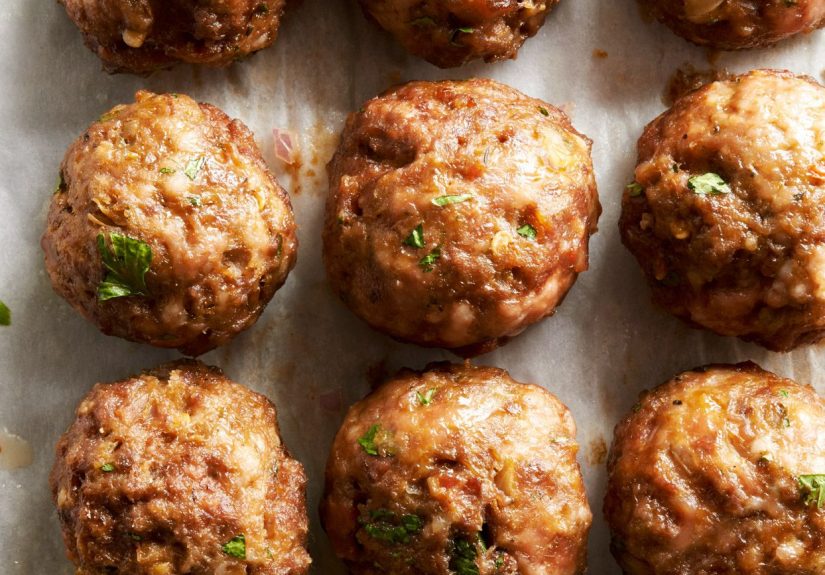
- Basic Meatballs Recipe (Tender, Easy, Oven-Friendly)
- Three Ways to Cook Meatballs (Choose Your Adventure)
- How to Know They’re Done (The Thermometer Rule)
- Pro Tips for Tender, Juicy Homemade Meatballs
- Troubleshooting: Why Meatballs Go Wrong
- Make-Ahead, Freezing, and Leftovers
- How to Serve Basic Meatballs (Without Getting Bored)
- Experiences From the Meatball Zone (500-ish Words of Real-Life Lessons)
Meatballs are the sweatpants of dinner: comforting, forgiving, and somehow appropriate for
everything from spaghetti night to fancy toothpick appetizers. A “basic meatballs recipe”
isn’t boringit’s a reliable blueprint. Once you understand why the ingredients are there,
you can make tender, juicy homemade meatballs on purpose (instead of by accident).
What Makes Meatballs “Basic” (and Why That’s a Compliment)
Basic meatballs are built on a simple structure: meat + moisture + binder + flavor.
The goal is a meatball that’s flavorful, holds together, and stays tender after cooking.
The secret isn’t a rare spice shipped from a misty mountainit’s technique: keeping the mixture
moist, mixing gently, and cooking to the right temperature.
The Meatball Formula (So You Can Make It From Memory)
Here’s a practical “ratio” approach for about 1 to 1½ pounds of ground meat:
- Moisture: ½ cup milk (or broth) + ½ cup breadcrumbs (this is your panade)
- Binder: 1 large egg
- Flavor: garlic + herbs + cheese (optional but highly encouraged)
- Seasoning: salt + pepper (don’t be shy, but don’t go full salt lick)
Pick Your Meat
For classic, crowd-pleasing meatballs, choose ground beef (80/20 is great for flavor).
Want extra richness and a softer bite? Mix beef with ground pork. Keeping some fat in
the mix helps prevent dry meatballs, especially if you bake them.
The Moisture Trick: Panade
A panade is simply breadcrumbs (or torn bread) soaked with milk. It keeps meatballs
tender because it adds moisture and helps prevent the meat proteins from tightening into rubbery
little golf balls of regret.
Flavor Builders That Actually Matter
- Garlic: fresh minced or grated; powder works in a pinch.
- Herbs: parsley is classic; basil or oregano adds Italian-style vibes.
- Cheese: Parmesan adds savory depth; optional but powerful.
- Aromatics: grated onion (or a spoonful of onion powder) boosts moisture and flavor.
Basic Meatballs Recipe (Tender, Easy, Oven-Friendly)
Makes: about 24 meatballs (1½-inch) | Time: ~35–45 minutes
Ingredients
- ½ cup fine dry breadcrumbs (or panko pulsed briefly)
- ½ cup milk (any kind) or low-sodium broth
- 1 large egg
- ⅓ cup grated Parmesan (optional, but delicious)
- 2–3 cloves garlic, minced or grated
- ¼ cup chopped fresh parsley (or 1 tablespoon dried parsley)
- 1 teaspoon kosher salt (use ¾ teaspoon if using fine table salt)
- ½ teaspoon black pepper
- ½ teaspoon dried oregano (optional)
- 1 to 1½ pounds ground meat (all beef, or beef + pork)
- 2 tablespoons olive oil (optional, for browning/searing)
Instructions
- Heat the oven: Preheat to 400°F. Line a sheet pan with parchment
(or lightly oil it). - Make the panade: In a large bowl, stir together breadcrumbs and milk.
Let sit 5–10 minutes until thick and slushy (technical term). - Add flavor and binder: Whisk in the egg, Parmesan (if using), garlic, parsley,
salt, pepper, and oregano. - Add the meat gently: Add the ground meat. Mix with your hands or a fork
just until everything is evenly combined. Stop as soon as it comes together.
Overmixing makes meatballs tough and springy. - Chill if you can: Rest the mixture in the fridge for 10–20 minutes.
This helps the fat firm up and makes shaping less sticky. - Shape: Lightly wet your hands. Scoop and roll into 1½-inch balls
(about 2 tablespoons each). Place on the sheet pan with a little space between. - Bake: Bake 14–18 minutes, until cooked through. If you want more browning,
broil for 1–2 minutes at the endwatch closely so they don’t go from “golden” to “smoke alarm.” - Finish and serve: Serve as-is, or simmer gently in sauce for 10 minutes
to soak up flavor.
Three Ways to Cook Meatballs (Choose Your Adventure)
1) Bake Only (Easiest, Cleanest)
Baking is ideal for weeknights and big batches. You get hands-off cooking and easy cleanup.
If you miss the browned crust, use the quick broil trick at the end.
2) Sear Then Bake (Best Browning Without Stress)
Want that tasty browned exterior? Sear meatballs in a skillet with a little oil for
1–2 minutes per side, then finish in the oven until done. This gives you flavor and
keeps the inside tender.
3) Simmer in Sauce (Cozy and Classic)
Simmering meatballs in marinara is a classic move. For best texture, many cooks brown them first
(even briefly), then let them finish gently in sauce. Keep the sauce at a low simmernot a rolling boil
so the meatballs stay tender.
How to Know They’re Done (The Thermometer Rule)
Meatballs can look browned and still be undercooked inside. And color alone can be misleading.
The most reliable move is an instant-read thermometer in the center of a meatball.
- Beef, pork, veal, lamb (ground): cook to 160°F
- Chicken or turkey (ground): cook to 165°F
Pro Tips for Tender, Juicy Homemade Meatballs
Mix Less Than You Think You Should
Mix until combined, then stop. If you knead the mixture like bread dough, you’ll get bouncy,
sausage-like meatballs. Great for a trampoline. Less great for dinner.
Season Like a Grown-Up (Safely)
If you’re unsure about salt, cook a tiny “test patty” of the mixture in a skillet and taste it.
Adjust seasoning before you shape the whole batch. This is the simplest way to avoid bland meatballs
without tasting raw meat.
Size Matters (For Timing)
A consistent size means consistent doneness. A cookie scoop makes this fast and oddly satisfying.
If you go bigger (like “tennis ball meatballs”), add more time and check the internal temperature.
Moisture Fixes Most Problems
- Too dry? Add 1–2 tablespoons more milk or a spoonful of grated onion.
- Too wet/sticky? Chill longer or add 1–2 tablespoons breadcrumbs.
- Falling apart? You may need a bit more binder (egg) or tighter shaping.
Troubleshooting: Why Meatballs Go Wrong
“My Meatballs Are Tough.”
Most often: overmixing or using very lean meat. Mix gently, use a panade, and choose ground meat with some fat.
“They’re Dry.”
Overbaked or too lean. Pull them right at temperature and let them rest a couple minutes.
Also: don’t skip the panadeit’s basically insurance.
“They Taste Flat.”
Add more salt (in small increments), a little Parmesan, and a touch of garlic or onion.
Fresh herbs help, too. When in doubt, the test patty saves the day.
Make-Ahead, Freezing, and Leftovers
Make Ahead
Shape meatballs and refrigerate (covered) for up to a day before cooking. This can actually improve
flavor as the seasonings mingle.
Freeze (Your Future Self Will Thank You)
You can freeze meatballs cooked or uncooked:
- Uncooked: Freeze on a tray until firm, then bag. Bake from frozen, adding a few extra minutes.
- Cooked: Cool, freeze on a tray, then store in a freezer bag. Reheat in sauce or in the oven.
Leftover Safety (Because Food Poisoning Is a Terrible Side Dish)
Refrigerate leftovers within 2 hours (within 1 hour if it’s very hot out).
Stored properly, cooked meat dishes are generally best used within 3–4 days in the fridge.
How to Serve Basic Meatballs (Without Getting Bored)
- Classic: simmer in marinara and serve over spaghetti
- Meatball subs: toasted roll + sauce + melty cheese
- Appetizer: glaze with barbecue sauce or a sweet-and-sour sauce
- Bowls: rice, roasted veggies, and a drizzle of pesto or yogurt sauce
- Breakfast: yes, reallymeatballs with eggs are basically breakfast sausage with better posture
Experiences From the Meatball Zone (500-ish Words of Real-Life Lessons)
If you ask a group of home cooks about meatballs, you’ll notice something: nobody says, “I make meatballs
because they’re delicate.” Meatballs are beloved because they’re resilient. They’re the kind of recipe
that forgives a missing herb, tolerates a distracted phone call, and still shows up deliciouslike a friend
who doesn’t care if you’re wearing mismatched socks.
One common experience is the Weeknight Scramble: it’s 6:17 p.m., everyone’s hungry, and the kitchen
is one minor inconvenience away from becoming a dramatic monologue. This is where baked meatballs shine.
You mix, scoop, bake, and suddenly dinner feels possible. And there’s a sneaky bonus: while the meatballs
cook, you can boil pasta, toss a salad, orif you’re feeling ambitiouspretend you’re the kind of person who
wipes the counters as you go. (No judgment. Counter-wiping is a lifestyle, not a requirement.)
Then there’s the Party Platter Moment, where meatballs transform into social butterflies.
Put toothpicks next to a warm dish of meatballs and watch people “just try one” repeatedly until the tray
looks like a crime scene. This is why a basic meatballs recipe is secretly a hosting strategy. Make them
slightly smaller for faster cooking and easier snacking. Simmer them in sauce or glaze them with something
sticky-sweet (barbecue is the classic) and suddenly you’ve got an appetizer that feels intentionaleven if
you’re still wearing sweatpants. (Meatballs don’t judge, remember?)
The third experience is the Freezer Victory. The first time you pull out a bag of frozen meatballs
on a busy day, it feels like you’re receiving a thoughtful gift from Past You. Future You gets dinner in record
time: warm sauce, drop in meatballs, simmer, done. It’s one of those small kitchen habits that makes life calmer.
And it doesn’t require perfectionjust a willingness to make a double batch when you already have the bowl out.
Of course, nearly everyone has had a Meatball Mishap. Too dense. Too dry. Too bland. Too crumbly.
The good news is that meatballs are excellent teachers. Dense meatballs usually mean the mixture got worked
too hard. Dry meatballs usually mean the meat was too lean or they stayed in the oven too long. Bland meatballs
often just need more salt, more aromatics, or a little cheese. And crumbly meatballs? That’s usually a binder
or moisture issuean egg, a better panade, or a longer chill can fix it.
Over time, most cooks end up with the same conclusion: the “best” meatball isn’t the fanciest one. It’s the one
that shows up reliablytender inside, flavorful, and ready to be turned into spaghetti, subs, bowls, or snacks.
Basic meatballs are a kitchen staple for a reason. They’re comfort food with a flexible schedule, and honestly,
that’s a beautiful thing.