Table of Contents >> Show >> Hide
- Is It Normal for a Baby to Sleep with Their Mouth Open?
- Common Reasons a Baby Sleeps with Their Mouth Open
- When Mouth-Open Sleep Is Probably Not an Emergency
- When You Should Call the Pediatrician
- When to Get Urgent or Emergency Help
- What You Can Do Tonight If Your Baby Seems Stuffy
- What Not to Do
- Could Mouth Breathing Affect Sleep Quality?
- How Doctors Figure Out What Is Going On
- The Bottom Line: Should You Worry?
- Real-Life Parent Experiences and Common Scenarios
- Conclusion
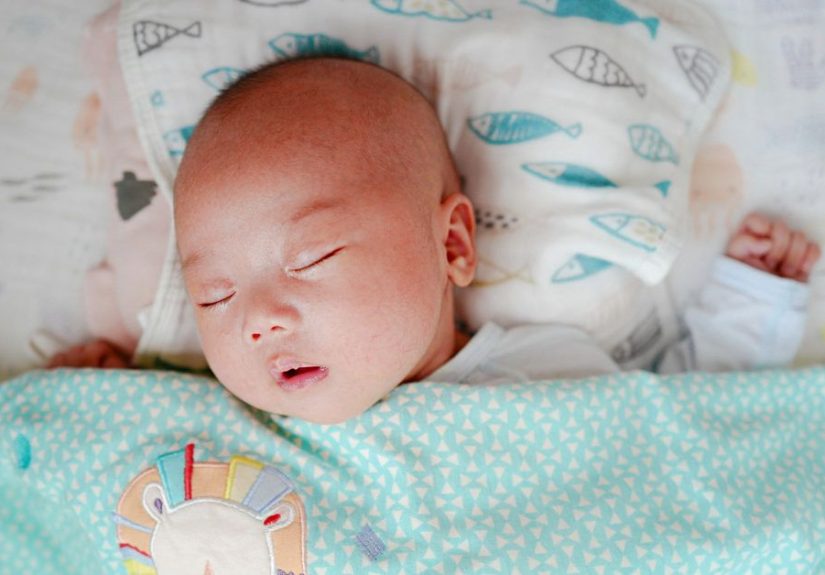
Few things can turn a calm bedtime into a full-blown parent detective story faster than noticing your baby asleep with their mouth hanging open. One second you are admiring those impossibly tiny eyelashes, and the next you are spiraling into questions like: Is this normal? Is my baby getting enough air? Do I need to call the pediatrician right now?
The reassuring news is that mouth-open sleep is not automatically a red-alert situation. Sometimes the explanation is simple, temporary, and annoyingly ordinary: a stuffy nose, a mild cold, dry air, or a sleep position that makes your baby look far more dramatic than they actually are. But sometimes mouth breathing during sleep can be a clue that something is interfering with normal airflow through the nose or upper airway.
That is where context matters. A baby who occasionally sleeps with an open mouth during a cold is different from a baby who does it every night, snores like a tired cartoon grandpa, wakes often, or seems to struggle to breathe. In this guide, we will break down when mouth-open sleep is probably harmless, when it deserves a closer look, what the common causes are, and what you can do tonight if your little one sounds stuffy and miserable.
Is It Normal for a Baby to Sleep with Their Mouth Open?
Sometimes, yes. If your baby has a blocked nose from a cold, dried mucus, seasonal irritants, or even just a rough night of congestion, they may open their mouth during sleep because nose breathing feels like trying to sip a smoothie through a coffee stirrer. In that situation, the mouth is basically Plan B.
Occasional mouth-open sleep is usually not a big deal when:
- It happens only during a cold or temporary congestion
- Your baby otherwise breathes comfortably
- There is no snoring, gasping, or choking sound
- Your baby feeds well, sleeps reasonably well, and seems normal during the day
Where parents should pay closer attention is when mouth breathing becomes a pattern instead of a one-night cameo appearance. Persistent mouth breathing can be a sign that your baby or child is not getting easy airflow through the nose, and that can affect sleep quality over time.
Common Reasons a Baby Sleeps with Their Mouth Open
1. Nasal Congestion
This is the most common and least dramatic explanation. Babies get stuffy for all kinds of reasons: viral colds, thick mucus, dry indoor air, or irritation from their environment. Even a little swelling inside the nose can make breathing feel harder at night.
If your baby has a runny nose, sounds snuffly, or seems more comfortable after saline and gentle suction, congestion is the likely culprit. The key here is that the mouth breathing should improve as the nose clears.
2. Enlarged Adenoids or Tonsils
Adenoids sit behind the nose and can contribute to chronic mouth breathing when they become enlarged. Tonsils can do something similar by narrowing the upper airway. When these tissues are large, kids may breathe through the mouth, snore, sound “blocked” when they talk, or sleep restlessly.
This issue is more often discussed in older babies, toddlers, and young children than in brand-new newborns, but it is an important reason persistent mouth breathing should not be brushed off forever as “just a habit.”
3. Sleep-Disordered Breathing or Obstructive Sleep Apnea
This sounds scary, but the important thing is knowing what to watch for. Sleep-disordered breathing happens when airflow is partially blocked during sleep. On the milder end, that may look like snoring and restless sleep. On the more serious end, it can include pauses in breathing, gasping, choking, or obvious effort to pull air in.
Not every child who snores has sleep apnea, and not every child with mouth-open sleep has a major sleep problem. But when mouth breathing comes with loud snoring, sweating, frequent waking, unusual sleep positions, or daytime irritability, it is worth discussing with a pediatrician.
4. Noisy Breathing Conditions in Infants
Some babies have underlying airway issues that cause noisy breathing, especially in early infancy. One well-known example is laryngomalacia, a condition in which soft tissue above the voice box flops inward and creates a squeaky or high-pitched breathing sound called stridor. Many cases are mild and improve with time, but persistent noisy breathing should always be evaluated by a clinician.
If your baby sleeps with their mouth open and also makes a harsh, squeaky, or high-pitched noise when breathing in, do not just file it under “weird baby soundtrack.” Bring it up with your pediatrician.
5. Allergies or Ongoing Nasal Irritation
In older babies and children, allergies can contribute to chronic nasal stuffiness, nose rubbing, throat clearing, and nighttime mouth breathing. Allergies are not usually the first thing people think of with a little baby, but they can become part of the picture as children grow.
When Mouth-Open Sleep Is Probably Not an Emergency
Take a breath. If your baby is sleeping with their mouth open but looks comfortable, has no color change, is not breathing fast, and is simply stuffy from a cold, this is usually a “monitor and manage” situation rather than a “grab the car keys in pajamas” situation.
It is more reassuring when:
- The breathing is steady and not labored
- There is no chest pulling in between the ribs
- The nostrils are not flaring with each breath
- Your baby’s lips stay pink, not blue or gray
- Your baby wakes normally and feeds normally
When You Should Call the Pediatrician
Schedule a medical visit if your baby or child:
- Often sleeps with their mouth open, even without a cold
- Snores regularly
- Has noisy breathing at night
- Seems restless, sweaty, or frequently wakes up
- Breathes mainly through the mouth during the day too
- Has chronic congestion that never really goes away
- Has dry lips or dry mouth in the morning on a regular basis
- Seems unusually cranky, tired, or hard to settle
Those symptoms do not automatically mean something serious is going on, but they do mean the pattern is worth evaluating. Your pediatrician may look for nasal blockage, enlarged adenoids, large tonsils, reflux-related irritation, or signs of sleep-disordered breathing. In some cases, families are referred to an ear, nose, and throat specialist or a sleep specialist.
When to Get Urgent or Emergency Help
Seek immediate care if your baby has any signs of breathing trouble, including:
- Blue, gray, or dusky lips or face
- Pauses in breathing
- Gasping, choking, or struggling to catch their breath
- Chest retractions, where the skin pulls in around the ribs or neck
- Nostrils flaring with each breath
- Breathing that is clearly fast and stays fast
- A new harsh sound when breathing in
- Poor feeding combined with breathing difficulty
- Lethargy or trouble waking up
That is not a wait-and-see moment. That is a get-help-now moment.
What You Can Do Tonight If Your Baby Seems Stuffy
Use Saline Drops
Plain saline nose drops can loosen dried mucus and make it easier for your baby to breathe through the nose. This is one of the most commonly recommended first-line tricks because it is simple, safe, and surprisingly effective for something that looks so unimpressive on the store shelf.
Try Gentle Suction
After saline, a bulb syringe or nasal aspirator can help remove loosened mucus. Gentle is the keyword. You are clearing a tiny nose, not trying to vacuum the living room.
Use a Cool-Mist Humidifier
A cool-mist humidifier can help keep air from getting too dry and may make congestion easier to manage overnight.
Offer Regular Feeds and Fluids
Stuffy babies can get frustrated while feeding, so smaller and more frequent feeds may help when they are congested. Hydration matters because a dry baby is a cranky baby, and a cranky baby does not usually improve household morale.
Follow Safe Sleep Guidance
Keep your baby’s sleep setup simple and safe. If your baby is having breathing concerns, focus on getting medical advice rather than experimenting with internet hacks.
What Not to Do
- Do not ignore chronic symptoms. If mouth breathing is frequent, mention it.
- Do not assume snoring is always cute. Sometimes it is; sometimes it is a clue.
- Do not try DIY mouth-taping. If a baby or child is breathing through the mouth because the nose is blocked, taping the “backup airway” shut is not a smart fix.
- Do not pile on random remedies. Stick with evidence-based, pediatric-safe approaches and ask your child’s clinician when you are unsure.
Could Mouth Breathing Affect Sleep Quality?
Yes, especially when it is persistent. Mouth breathing itself can leave the mouth dry and the lips chapped, but the bigger issue is what it may signal: poor nasal airflow or a partially obstructed airway. If your child is waking often, tossing around, sweating, snoring, or seeming exhausted during the day, the sleep may not be as restful as it looks from your side of the baby monitor.
Good sleep is not just about the number of hours spent in the crib. It is also about the quality of breathing during those hours. A baby can technically be “asleep” and still not be sleeping well if breathing is disrupted over and over.
How Doctors Figure Out What Is Going On
If you bring this concern to a pediatrician, they may ask questions like:
- Does the mouth breathing happen only during colds, or all the time?
- Is there snoring, gasping, or noisy breathing?
- Does your child breathe through the mouth during the day too?
- Are feeding, growth, sleep, or behavior affected?
- Has there been frequent congestion, ear issues, or sinus symptoms?
The exam may focus on the nose, throat, tonsils, and overall breathing pattern. Some children need referral to ENT. If sleep apnea is suspected, a sleep study may be recommended. That sounds intimidating, but it is simply the best way to understand what breathing is doing during sleep.
The Bottom Line: Should You Worry?
Sometimes yes, often not immediately, and almost never in a one-size-fits-all way.
If your baby sleeps with their mouth open once in a while during a cold, and they otherwise look comfortable, that is usually not a major concern. If mouth-open sleep becomes frequent, comes with snoring or noisy breathing, or is paired with signs of labored breathing or poor-quality sleep, it deserves a closer look.
Parents do not need to panic, but they also do not need to ignore their instincts. If you keep noticing the same pattern night after night, trust that little internal alarm bell. It is often less about “worrying too much” and more about collecting useful clues for your child’s doctor.
In parenting, we cannot control every sniffle, snort, or midnight plot twist. But we can notice patterns, respond calmly, and get help when something feels off. That is not overreacting. That is just excellent night-shift management.
Real-Life Parent Experiences and Common Scenarios
Parents often remember the first time they noticed mouth-open sleep because it feels strangely theatrical. One mom described checking the monitor three times because her six-month-old had fallen asleep with his mouth wide open after a miserable day of congestion. She was convinced something must be terribly wrong. By morning, after saline, suction, and a humidifier, he was back to quiet breathing and acting like his usual cheerful self. In that case, the open-mouth sleep was tied to a very ordinary cold, not a deeper issue.
Another family noticed that their toddler did not just sleep with his mouth open when sick. He did it every night. He also snored, kicked around the crib, and woke up grumpy enough to file a formal complaint against mornings. At first, everyone brushed it off as “just how he sleeps.” Eventually, the pediatrician referred him to an ENT, and enlarged adenoids turned out to be a big part of the problem. What stands out in stories like this is how often the pattern looks minor until parents connect all the dots: mouth breathing, snoring, restless sleep, daytime crankiness, and constant congestion.
Some parents tell a different story entirely: noisy breathing from the newborn stage. One father said his baby made a squeaky sound while breathing in, especially when excited, feeding, or lying on her back. The mouth-open sleep was not the only clue; the sound itself was what pushed them to ask questions. Their doctor evaluated her and explained that some infants have mild airway conditions that can sound alarming even when they improve with time. The big lesson from experiences like this is simple: when breathing sounds unusual, ask. Do not rely on social media comments from strangers whose medical credentials are “once babysat a cousin.”
There are also the in-between cases, the ones that make parenting feel like a constant game of “is this normal or not?” A parent may notice open-mouth sleep during allergy season, or after daycare colds start rotating through the house like tiny germ-themed houseguests. A baby seems fine during the day but sleeps with dry lips and wakes up congested. Nothing looks dramatic enough for the emergency room, but it also does not seem completely normal. These are excellent situations for a non-urgent pediatric visit, because repeated mild symptoms can still reveal a chronic issue worth treating.
One pattern that shows up again and again in parent experiences is relief after someone finally names the likely cause. Not because every diagnosis leads to a big treatment plan, but because uncertainty is exhausting. Sometimes the answer is simply, “This is congestion, and here is how to manage it safely.” Sometimes it is, “Let’s watch this.” Sometimes it is, “We should check for enlarged adenoids, tonsils, or sleep-disordered breathing.” Parents generally handle information well. What they do not handle well is the 2:13 a.m. mystery soundtrack coming from the crib.
The most helpful takeaway from real-world stories is that patterns matter more than one isolated night. A single open-mouth nap after a runny-nose day is usually not a headline. Repeated mouth breathing, snoring, gasping, unusual noises, or signs of breathing effort deserve attention. Parents are often the first people to notice these patterns, and that observation is valuable. You do not need a medical degree to recognize that your child sounds different, sleeps differently, or struggles more than usual. You just need to notice, write it down if needed, and bring that information to your pediatrician.
Conclusion
A baby sleeping with their mouth open can be harmless, temporary, and tied to simple congestion. But when it becomes a frequent habit or comes with snoring, noisy breathing, restless sleep, or signs of breathing difficulty, it is worth taking seriously. The goal is not to panic over every adorable but slightly alarming sleep pose. The goal is to know when a stuffy nose is just a stuffy nose and when mouth breathing may be a clue to something more.