Table of Contents >> Show >> Hide
- What Are Anabolic Steroids?
- Types of Anabolic Steroids
- Medical Uses of Anabolic Steroids
- Why Do People Misuse Anabolic Steroids?
- Do Anabolic Steroids Improve Performance?
- Main Health Risks of Steroid Misuse
- Special Risks for Teens and Young Adults
- Hidden Steroids in Supplements
- Are Anabolic Steroids Addictive?
- Legal Status in the United States
- How Doctors Approach Safe Use
- Safer Alternatives for Strength, Recovery, and Performance
- Real-World Experiences and Lessons People Commonly Report
- Final Takeaway
Anabolic steroids are one of those topics that get tossed around in gym talk, sports headlines, and internet forums like they are magical shortcut buttons. Spoiler: they are not. These drugs can have legitimate medical uses, but they also come with a long list of risks that can turn a “quick boost” into a very expensive health mistake.
If you have ever wondered what anabolic steroids actually are, why doctors prescribe them, why some people misuse them, and what can go wrong, this guide breaks it all down in plain English. No scare-tactic drama, no bro-science mythology, and no confusing medical soupjust the facts, with enough personality to keep things from feeling like a textbook in gym shorts.
What Are Anabolic Steroids?
Anabolic steroids, also called anabolic-androgenic steroids (AAS), are synthetic versions of testosterone or closely related compounds. “Anabolic” refers to tissue-building effects, especially muscle growth. “Androgenic” refers to effects linked to male sex characteristics, such as facial hair, a deeper voice, and other hormone-driven changes.
That dual action is why these drugs get so much attention. On one hand, they can help treat certain medical conditions. On the other, they can also alter the body in ways that are unpredictable, risky, and sometimes permanent when misused.
It is also important not to confuse anabolic steroids with corticosteroids. Corticosteroids are prescription drugs used to reduce inflammation in conditions like asthma, arthritis, and severe allergic reactions. Anabolic steroids are a different category entirely. Same last name, very different family reunion.
Types of Anabolic Steroids
There is no single “steroid.” Anabolic steroids come in several forms and brand-name versions. They may be prescribed as oral medications, injections, gels, patches, nasal preparations, or implanted pellets. The exact drug, dose, and format depend on the medical problem being treated.
Common prescription examples
- Testosterone in injectable, gel, patch, capsule, pellet, or nasal forms
- Nandrolone
- Oxandrolone
- Oxymetholone
- Methyltestosterone
- Stanozolol and other synthetic derivatives discussed in sports and anti-doping contexts
Broad categories by form
- Injectable steroids: Often longer-acting and commonly discussed in both medical and misuse settings.
- Oral steroids: Convenient to take, but some oral forms are especially hard on the liver.
- Transdermal forms: Gels and patches designed to deliver testosterone through the skin.
- Other prescription formats: Nasal systems, buccal systems, and pellets used under medical supervision.
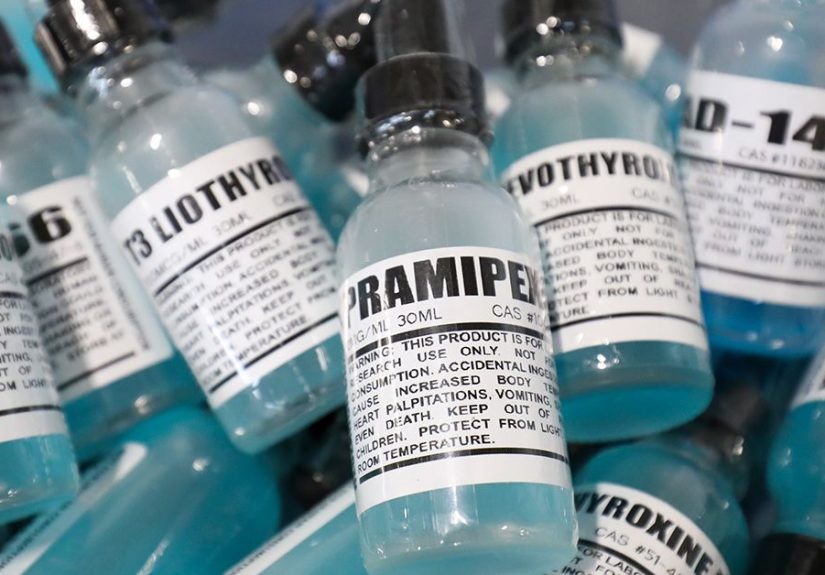
Outside legitimate healthcare, people may also run into so-called designer steroids or mislabeled bodybuilding products. These are especially concerning because the label on the bottle may be less “nutrition support” and more “chemical mystery box.”
Medical Uses of Anabolic Steroids
Despite the bad reputation steroids get in pop culture, doctors do prescribe them for real medical reasons. In a clinical setting, prescription anabolic steroids are used carefully, with monitoring, lab work, and follow-up.
Conditions they may help treat
- Male hypogonadism: When the body does not make enough testosterone
- Delayed puberty in certain boys under medical care
- Muscle loss linked to some diseases
- Wasting syndromes related to serious illness
- Certain anemias or rare conditions in selected cases
- Specific hormone-related or off-label uses when a clinician decides the benefits outweigh the risks
When used legally and appropriately, these medications are not random gym enhancers. They are tools. Powerful ones. And like all powerful tools, they are safest in trained hands and terrible in a “my friend at the locker room said this works” situation.
Why Do People Misuse Anabolic Steroids?
Most nonmedical use falls into a few predictable categories. Some people want a more muscular appearance. Some want better strength for sports. Others want faster recovery between workouts. And some are chasing an ideal body image that keeps moving farther away the closer they think they get.
That last point matters. Steroid misuse is not always about elite athletes. Many users are recreational lifters, bodybuilders, or people focused on looking bigger and leaner. In some cases, misuse is associated with muscle dysmorphia, a condition in which a person becomes preoccupied with not being muscular enough, even when they already appear very muscular to others.
The problem is that short-term visual changes can make long-term consequences easy to ignore. A person may notice bigger muscles before they notice rising blood pressure, disrupted hormones, worsening mood, or liver trouble. The mirror rarely shows the full invoice.
Do Anabolic Steroids Improve Performance?
Anabolic steroids can increase muscle size and may improve strength in some contexts, especially when combined with intense resistance training. That much is why they became so attractive in competitive sports and physique culture in the first place.
But the conversation often skips a critical point: more muscle does not equal safe, healthy, or sustainable performance. Bigger numbers in the gym can arrive alongside damaged cholesterol levels, blood pressure problems, hormonal shutdown, emotional instability, and injuries such as tendon problems. Performance gains that come with health losses are not exactly a bargain.
Main Health Risks of Steroid Misuse
This is where the “quick results” fantasy starts to fall apart. Misuse of anabolic steroidsespecially at high, nonprescription dosescan affect nearly every major system in the body.
Cardiovascular risks
- High blood pressure
- Unhealthy cholesterol changes, including lower HDL and higher LDL
- Higher risk of blood clots
- Heart attack and stroke risk
- Structural and functional strain on the heart
These are not tiny footnotes. Cardiovascular harm is one of the most serious concerns with anabolic steroid misuse, especially when use continues over time or overlaps with other performance-enhancing drugs.
Liver and kidney risks
- Liver injury
- Liver tumors or more serious liver disease in some cases
- Kidney damage
- Extra risk from unregulated products that may contain hidden ingredients
Oral anabolic steroids are often especially concerning for liver health. Add in shady online supplements, undeclared ingredients, or multiple stacked products, and the risk gets even uglier.
Hormonal and reproductive risks
Because anabolic steroids can suppress the body’s natural hormone production, the endocrine system often takes a hit.
In men, risks may include:
- Testicular shrinkage
- Lower sperm production
- Infertility
- Breast enlargement
- Reduced natural testosterone production
In women, risks may include:
- Menstrual changes
- Voice deepening
- Increased facial or body hair
- Male-pattern hair loss
- Changes in breast size
- Other masculinizing effects that may not fully reverse
Skin, hair, and body changes
- Severe acne
- Oily skin
- Fluid retention
- Hair loss
- Changes in body composition that may not be as “clean” as people expect
Mental health and behavior risks
- Irritability
- Aggression
- Mood swings
- Depressive symptoms
- Mania, delusions, or other psychiatric complications in some users
- Dependence and difficult withdrawal symptoms
No, “roid rage” is not just a joke from old movies. Mood and behavior changes are real concerns, and they can affect school, work, family life, and personal safety.
Special Risks for Teens and Young Adults
For adolescents, steroid misuse comes with an extra concern: stunted growth. These drugs can interfere with bone growth and may cause final adult height to be shorter than it otherwise would have been. That is a rough trade: maybe bigger biceps now, but less growth overall later.
Teen users may also be more vulnerable to mood changes, body image pressure, risky decision-making, and the influence of social media marketing that treats dangerous substances like they are just another pre-workout flavor.
Hidden Steroids in Supplements
One of the biggest modern problems is that some products sold online or in stores as “bodybuilding supplements” or “hormone support” products may illegally contain steroid or steroid-like ingredients. That means someone may think they are buying a harmless shortcut and actually end up taking an undeclared drug.
This matters for casual gym users, competitive athletes, and anyone subject to drug testing. It also matters for basic health. If the label is misleading, the risks become harder to predict and harder to treat. Hidden ingredients do not become safer just because the bottle used a lightning bolt font and the word “extreme.”
Are Anabolic Steroids Addictive?
They can be. Even though anabolic steroids do not create a classic intoxicating “high” the way some other substances do, users can develop dependence. Some keep taking them to maintain appearance, preserve strength, or avoid the crash that can happen when use stops.
Withdrawal may involve fatigue, sleep problems, decreased sex drive, mood symptoms, restlessness, and strong cravings to start again. That is one reason stopping can be harder than people expect.
Legal Status in the United States
In the United States, most anabolic steroids are controlled substances and generally illegal to possess without a valid prescription. Sports organizations also ban nonmedical steroid use. So beyond the health risks, misuse can bring legal trouble, suspensions, damaged careers, and public embarrassment that lasts much longer than a gym pump.
How Doctors Approach Safe Use
Prescription anabolic steroids can be appropriate in some cases, but only with medical supervision. Doctors decide whether the treatment is necessary, choose the right drug and dose, check for side effects, and monitor hormone levels and overall health.
That is the major dividing line: medical treatment is supervised; misuse is guesswork dressed up as confidence.
Safer Alternatives for Strength, Recovery, and Performance
For most people, the real long-term answer is boring in the best possible way: smart training, adequate protein, enough calories, structured rest, quality sleep, consistent programming, and patience. Yes, patiencethe supplement nobody wants to buy because it cannot be shipped overnight.
If someone is worried about low testosterone, unexplained fatigue, muscle loss, or delayed puberty, the answer is not self-medicating. It is seeing a licensed healthcare professional and getting proper evaluation.
Real-World Experiences and Lessons People Commonly Report
Conversations around anabolic steroids often sound abstract until you hear what people actually go through. In real life, the pattern is rarely “I used steroids, everything stayed awesome, the end.” It is usually messier, more emotional, and a lot less glamorous than social media clips suggest.
One common story comes from recreational lifters who start because they feel stuck. They train hard, eat carefully, and still think they do not look “good enough.” At first, they notice the changes they wanted: fuller muscles, faster progress, more confidence in the mirror. Then the side effects creep in quietly. Blood pressure rises. Acne gets worse. Sleep becomes uneven. Mood gets shorter and sharper. Suddenly the person who wanted more control over their body feels less in control of their daily life.
Another experience often reported involves people who believed they were taking a harmless supplement. They bought a flashy product marketed for muscle growth, recovery, or hormone support, only to later learn it may have contained steroid-like ingredients. What looked like a legal shortcut turned into abnormal lab results, liver concerns, or a failed drug test. That kind of surprise is especially hard because the user may not even realize what they took until something goes wrong.
There are also stories from athletes who chased a competitive edge and ended up paying for it in ways they did not expect. Maybe strength improved, but relationships got strained because of irritability and aggression. Maybe performance went up for a season, but then came the suspension, the public fallout, and the awkward task of explaining to coaches, teammates, or family why the “advantage” was not worth it. In many cases, the emotional damage outlasts the physical gains.
Men who stop misusing steroids sometimes describe a difficult crash period. They may feel exhausted, flat, low in motivation, or worried about fertility and hormone recovery. Women may experience distressing body changes that feel deeply personal and not always reversible, such as voice changes or hair growth. Teens may look back and realize the pressure to look bigger or perform better led them into a decision they were never fully prepared to understand.
Healthcare professionals who work with steroid misuse often describe the same lesson again and again: people rarely come in saying, “I thought this would harm my heart, hormones, mood, or future.” They come in saying, “I did not think it would go this far.” That is really the heart of the issue. The short-term reward can be visible fast, while the harm builds quietly in the background.
The most hopeful experiences come from people who stop, get honest medical help, and rebuild their routines around training, nutrition, sleep, and realistic expectations. Recovery is not always quick, and it is not always perfect, but many people say the biggest relief comes from no longer feeling trapped by the cycle of chasing results at any cost. In the end, the strongest move is often not taking the risk in the first place.
Final Takeaway
Anabolic steroids are not fairy dust for muscle growth. They are potent hormone-based drugs with legitimate prescription uses and very real dangers when misused. Yes, they can affect muscle size and strength. They can also affect the heart, liver, kidneys, mood, fertility, growth, and long-term health in ways that are far less exciting than a before-and-after photo.
If the goal is better health, performance, or physique, the smartest strategy is still the least flashy one: train well, eat well, recover well, and talk to a qualified clinician when something feels medically off. Your body is not a laboratory experiment, and it definitely does not need mystery capsules from the internet.