Table of Contents >> Show >> Hide
- What ABVD Stands For (and Why It’s Used Together)
- Who Gets ABVD?
- ABVD Schedule: What a Cycle Usually Looks Like
- Before You Start: Tests, Planning, and “Future You” Logistics
- What Side Effects Are Common with ABVD?
- Supportive Care: The “Not-Chemo” Part of Chemo That Matters a Lot
- When to Call Your Care Team Right Away
- PET Scans, “De-escalation,” and Why Bleomycin Sometimes Gets Dropped
- Living Your Life During ABVD: Work, School, Exercise, and Food
- Long-Term Considerations: Thinking Beyond the Last Infusion
- Questions to Ask Your Oncology Team About ABVD
- Real-World Experiences with ABVD (What Many People Say It’s Actually Like)
- Infusion days are a whole ecosystem
- The “energy curve” can be more predictable than you expect
- Nausea is not a personality test
- Hair loss can be emotionally loud
- Chemo brain is real-ish (and incredibly annoying)
- Support often looks smaller than you expect
- The biggest lesson people report: report symptoms early
- Conclusion
ABVD is one of those “sounds-like-a-password” medical abbreviations that actually means something straightforward: it’s a four-drug chemotherapy combination used to treat classic Hodgkin’s lymphoma. If you or someone you love has been told “we’re starting ABVD,” you probably have two immediate questions:
- Will it work?
- What is this going to be like?
This guide answers bothwithout sugarcoating, without doomscrolling, and without turning your brain into a medical textbook. You’ll learn what ABVD is, how the schedule typically works, why doctors sometimes adjust it, what side effects are common, what’s worth calling the clinic about right away, and how people often get through treatment in real life (with receipts, snacks, and a surprising amount of dry shampoo).
Important note: This article is general education, not personal medical advice. Your oncology team is the authority for your specific plan.
What ABVD Stands For (and Why It’s Used Together)
ABVD is named for its four medicines:
- A = Adriamycin (also called doxorubicin)
- B = bleomycin
- V = vinblastine
- D = dacarbazine (often abbreviated DTIC)
Why combine four drugs instead of just blasting the lymphoma with one super-drug? Because cancer cells are slippery. Different chemo drugs attack cancer in different ways, and using a combination can improve the odds of wiping out the lymphoma while lowering the chance that resistant cells survive and regroup.
A quick “personality profile” of each drug
Not because chemo drugs have feelings (they don’t), but because it helps to connect each one to the side effects it’s known for:
- Doxorubicin (Adriamycin): Powerful, widely used, and famously red (yes, it can temporarily tint urine reddish). It can affect heart function at higher cumulative doses, so baseline heart testing is common.
- Bleomycin: Effective, but can irritate lungs in some people. That’s why doctors watch for breathing changes and may check lung function.
- Vinblastine: Can contribute to constipation and nerve symptoms (tingling/numbness).
- Dacarbazine: Often associated with nausea and low blood counts (though side effects vary person to person).
Who Gets ABVD?
ABVD is used most often for classic Hodgkin’s lymphoma, across different stages. The exact plan depends on:
- Stage (how far the lymphoma has spread)
- Risk features (like bulky disease, symptoms, and certain lab findings)
- Age and overall health (including heart and lung health)
- Response to early treatment (often measured with PET/CT imaging)
Some people get chemotherapy alone. Others get ABVD plus involved-site radiation therapy, especially in certain early-stage situations. And for some advanced-stage patients, doctors may discuss alternatives (such as regimens that replace bleomycin) depending on newer evidence and patient-specific factors.
ABVD Schedule: What a Cycle Usually Looks Like
Chemo is typically given in cyclestreatment days followed by rest days so your body can recover.
The classic ABVD rhythm
A common approach is a 28-day cycle with infusions on Day 1 and Day 15. In plain English: every two weeks you go in for treatment, and that two-weeks-on rhythm repeats across multiple cycles.
How many cycles? Many people hear numbers like 2, 4, or 6 cycles, depending on stage and response. Your team may also adjust the plan based on side effects, scans, or lab results.
Sample “calendar view”
| Week | What often happens | What you might feel |
|---|---|---|
| Week 1 | Infusion (Day 1) | Energy dip, nausea risk, “infusion center vibes” |
| Week 2 | Recovery days + labs as needed | Fatigue, appetite changes, constipation risk |
| Week 3 | Infusion (Day 15) | Similar to Day 1, sometimes easier once you know the routine |
| Week 4 | Recovery days | Often a gradual “bounce back” before the next cycle begins |
Not everyone follows this exact pattern, and not everyone feels the same on the same day. But the “two-week heartbeat” is a common ABVD reality.
Before You Start: Tests, Planning, and “Future You” Logistics
ABVD planning isn’t just “show up and get chemo.” Your team often does a baseline check to make sure treatment is safeand to create a comparison point later.
Common prep steps
- Bloodwork to assess blood counts, liver function, and kidney function
- Heart testing (often an echocardiogram) because doxorubicin can affect heart function
- Lung evaluation (sometimes pulmonary function tests) because bleomycin can affect lungs
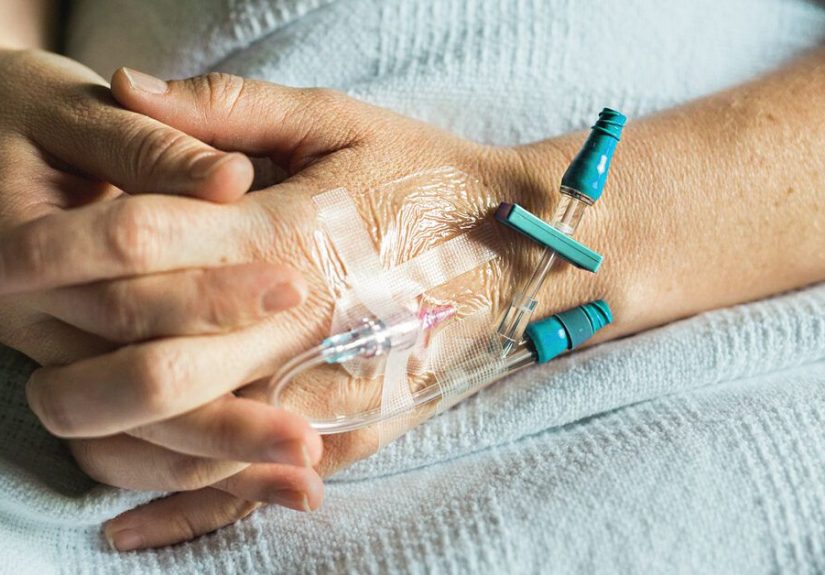
- Access planning: Some people use standard IVs; others may get a port depending on veins and treatment duration
- Medication review: Include prescriptions, supplements, vitamins, and over-the-counter meds
Fertility and contraception: worth talking about early
If having children in the future matters to you, bring it up before treatment starts. Fertility preservation (like sperm banking or egg/embryo freezing) is time-sensitive. Your team can also advise on contraception and pregnancy safety during chemotherapy.
What Side Effects Are Common with ABVD?
Side effects vary widely. Some people work part-time through treatment. Others need serious rest. Most land somewhere in the messy middle: “I can do things, but I’m doing them slower and with more snacks.”
Common short-term side effects
- Fatigue (often cumulative across cycles)
- Nausea or vomiting (usually manageable with anti-nausea meds, but still annoying)
- Hair thinning or hair loss (often starts a couple of weeks into treatment)
- Mouth soreness or mouth sores
- Low blood counts (which can increase infection risk and cause easy bruising or low energy)
- Constipation (commonly from vinblastine, anti-nausea meds, and reduced activity)
- Numbness/tingling in hands or feet (neuropathy)
- Flu-like feelings (some people describe chills/aches after treatment)
- Skin sensitivity, including sun sensitivity
Two specific side effects doctors watch closely
- Breathing changes:
New shortness of breath, a new cough, or trouble catching your breath mattersespecially because bleomycin can affect lung tissue. Call your team if you notice changes.
- Heart symptoms:
Doxorubicin can impact heart function, which is why baseline testing is often done. Report chest pain, fast/irregular heartbeat, swelling in legs/ankles, or sudden weight gain.
Supportive Care: The “Not-Chemo” Part of Chemo That Matters a Lot
ABVD isn’t just four drugs. It’s also the support plan around them, like:
- Anti-nausea medications before and after infusion
- Hydration guidance (some people do better with steady fluids; ask what’s right for you)
- Lab monitoring to track blood counts and organ function
- Symptom management for constipation, mouth sores, neuropathy, and sleep disruption
Your job isn’t to “tough it out.” Your job is to report what’s happening so your team can adjust meds, timing, or supportive strategies. Chemo is a team sportunfortunately with fewer trophies and more thermometers.
When to Call Your Care Team Right Away
Even if you’re not the “call the doctor” type, chemotherapy changes the rules. Some symptoms should be treated as urgent because infections can escalate quickly when white blood cell counts are low.
Call right away if you have:
- Fever (especially 100.4°F / 38°C or higherfollow your clinic’s exact instructions)
- Chills, worsening cough, sore throat, or feeling suddenly “flu-ish”
- Shortness of breath or trouble breathing
- Uncontrolled nausea/vomiting that prevents eating or drinking
- Bleeding or bruising that’s unusual, or black/bloody stools
- New mouth sores that interfere with drinking
- Severe diarrhea or signs of dehydration
Your oncology team will tell you what number to call during office hours and after hours. Save it. Put it in your favorites. Tape it to the fridge. Teach your phone to dial it with your mind. (Kidding. Mostly.)
PET Scans, “De-escalation,” and Why Bleomycin Sometimes Gets Dropped
Modern Hodgkin’s lymphoma care often uses interim PET scans to see how well treatment is working. In some casesespecially for certain advanced-stage patientsdoctors may use early PET results to guide whether bleomycin can be reduced or omitted later in treatment to lower lung-toxicity risk.
This is not a DIY decision. It’s a structured approach based on clinical evidence, your stage and risk factors, and how your disease is responding. The takeaway is hopeful, though: many treatment plans today aim to keep cure rates high while reducing long-term harm when it’s safe to do so.
Living Your Life During ABVD: Work, School, Exercise, and Food
ABVD can feel like your calendar suddenly belongs to the infusion center. But life doesn’t stop, and you shouldn’t have to disappear.
Work or school
- Plan around your “low days.” Many people feel their toughest fatigue a few days after infusion.
- Use simple scripts. “I’m in medical treatment and may need flexibility on deadlines” is enough detail for most situations.
- Lower the bar on perfection. This is a season of “good enough.”
Exercise
Gentle movementlike walkingcan help energy, mood, and digestion. But it’s not a moral requirement. Some days the workout is “stood up, existed, hydrated.” That counts.
Food
During chemo, the “best” diet is often the one you can actually tolerate. If nausea hits, smaller meals may be easier. If taste changes happen, you’re not pickyyou’re adapting. Ask your team if you should follow any food-safety precautions based on your blood counts.
Long-Term Considerations: Thinking Beyond the Last Infusion
Hodgkin’s lymphoma has high cure rates, which means survivorship matters. After ABVD (and any radiation), your team may discuss long-term monitoring and late effects, such as:
- Heart health (especially with prior doxorubicin or chest radiation)
- Fertility changes (varies by age, treatment intensity, and individual factors)
- Second cancers (risk depends on treatments received and other factors)
- Thyroid function (especially if neck/chest radiation was used)
- Immune health and vaccinations (your team will guide timing)
It can feel strange to talk about “years from now” while you’re just trying to get through Tuesday. But survivorship planning is one way you protect Future Youthe version of you who’s done with treatment and wants to live loudly.
Questions to Ask Your Oncology Team About ABVD
- How many cycles are you recommending, and why?
- Will I have PET/CT scans during treatment? What will you do with those results?
- What side effects should prompt an urgent call vs. a routine message?
- Do I need a port?
- How will you monitor my heart and lung function?
- What can I do now if I’m worried about fertility?
- What’s the plan if my blood counts drop?
- What changes (if any) should I make to vaccines, school/work, exercise, or travel?
Real-World Experiences with ABVD (What Many People Say It’s Actually Like)
Let’s talk about the part most people don’t put in official pamphlets: the lived experience of ABVD. Everyone’s journey is different, but there are patterns that come up again and againshared by patients, caregivers, and clinicians who’ve seen a lot of infusion chairs.
Infusion days are a whole ecosystem
Many people describe infusion day as equal parts routine and surreal. You check in, get vitals, labs (sometimes), and then the meds begin. After the first visit, a lot of people build a “chemo kit” that lives by the door: chargers, headphones, a hoodie, lip balm, gum or mints (chemo can make tastes weird), and something to do that doesn’t require peak brainpower. Some bring a blanket like they’re boarding a flight, which honestly is fair.
The “energy curve” can be more predictable than you expect
A common experience is having a few tougher days after treatmentfatigue, nausea, body aches, or that vague “my battery is at 12%” feelingfollowed by gradual improvement before the next infusion. People often say the second week of the cycle can feel better than the first, which helps with planning: schedule appointments, schoolwork, or social hangouts when you typically have more energy. But it’s also normal for this pattern to shift as cycles add up.
Nausea is not a personality test
If nausea shows up, it’s not because you’re “bad at chemo.” Many patients say the biggest improvement came from being honest about symptoms early so their team could adjust anti-nausea meds. Some also report that keeping simple foods aroundcrackers, toast, broth, smoothieshelped them eat “something” without fighting their stomach. Others swear by cold foods when smells are overwhelming. The best strategy is the one that keeps you hydrated and able to function.
Hair loss can be emotionally loud
People often say hair loss is one of the most unexpectedly intense partsnot just physically, but emotionally. Some choose to cut hair short before it starts shedding to feel more in control. Others use hats, scarves, wigs, or go bareheaded. There’s no “correct” response. If it hits you hard, that doesn’t mean you’re vain; it means you’re human.
Chemo brain is real-ish (and incredibly annoying)
Many people describe forgetfulness, slower processing, or trouble focusing during treatment. The best advice tends to be practical: write everything down, use reminders, and give yourself permission to do fewer things at once. It’s also helpful to tell teachers, supervisors, or family members that your brain may be “buffering” for a while. You don’t need to justify it beyond that.
Support often looks smaller than you expect
In real life, support isn’t always dramatic. It’s someone driving you to treatment when you’re tired. It’s a friend texting “hydrate?” like a responsible gremlin. It’s a caregiver learning how to keep track of medications. It’s an oncology nurse who remembers your name and somehow makes the infusion room feel less scary. Many people say that letting others helprides, meals, laundry, homework catch-upmade the whole thing more manageable, even if accepting help felt awkward at first.
The biggest lesson people report: report symptoms early
Across many experiences, one theme is consistent: people do better when they communicate. New shortness of breath? Tell your team. Nausea making you skip meals? Tell your team. Tingling in hands or constipation that’s not improving? Tell your team. ABVD is effective, but it’s not supposed to be a silent endurance contest.
If you’re in treatment right now, here’s the most realistic encouragement: you don’t have to be brave 24/7. You just have to keep showing up, keep asking questions, and keep letting your care team do their job. One infusion at a time.
Conclusion
ABVD chemotherapy remains a cornerstone treatment for classic Hodgkin’s lymphoma because it’s effective and adaptable. Understanding the schedule, expected side effects, monitoring tests, and the reasons your team might adjust the plan can make the experience feel less like chaos and more like a strategy. Keep your symptom notes, protect your rest, call early when something feels off, and remember: treatment is temporaryeven when it’s taking up all your calendar space right now.