Table of Contents >> Show >> Hide
- Why Vacuum Attachments Matter More Than People Think
- The Most Common Vacuum Attachments, Explained
- How to Choose the Right Attachment Fast
- Common Mistakes That Make Attachments Feel Useless
- Tips for Getting Better Results From Any Attachment
- Real-World Experiences: What People Usually Learn After Actually Using Them
- Final Thoughts
Vacuum attachments are a little like the extra buttons on a fancy coffee machine: most people know they exist, few people use them correctly, and everyone feels mildly judged by them. But once you understand what each attachment is designed to do, your vacuum stops being a one-trick pony and starts acting like a whole cleaning system.
This guide breaks down the most common vacuum attachments, what each one does best, where people misuse them, and how to choose the right tool without staring at your vacuum closet like it contains ancient artifacts. Whether you are cleaning pet hair from a sofa, dust from baseboards, or mystery crumbs from the car, the right attachment can make the job faster, easier, and far less irritating.
Why Vacuum Attachments Matter More Than People Think
The main floor head on a vacuum is great for large, open surfaces. It is not great for every other thing in your house, which, inconveniently, is where dust likes to live. Dust gathers in vents, on blinds, under furniture, along baseboards, between couch cushions, on lampshades, and in those tiny corners where your full-size floor head simply throws up its hands and gives up.
That is where vacuum attachments earn their keep. They are designed to focus airflow, add brushing action, protect delicate surfaces, or extend your reach. In plain English: attachments help you clean the spots your regular vacuum head misses or mangles. They also reduce the temptation to use one tool for everything, which is how people end up trying to clean a bookshelf with a motorized pet brush like it is some kind of power move.
The Most Common Vacuum Attachments, Explained
1. Crevice Tool
If vacuum attachments had a hall of fame, the crevice tool would be first ballot. It is the long, narrow attachment that looks simple because it is simple. Its job is to concentrate suction into tight spaces where a standard nozzle cannot fit.
Best uses: along baseboards, around window tracks, between couch cushions, under large appliances, beside car seats, around vents, and in tight corners. If you have ever found a civilization of crumbs living between your seat and the center console, this is your tool.
Why it works: the narrow opening increases suction at the tip, helping pull dust, grit, and debris from hard-to-reach gaps.
Common mistake: using it on broad surfaces. A crevice tool is precise, not efficient. It is excellent for edges and awful for cleaning a whole ottoman unless you enjoy making cleaning take three business days.
2. Dusting Brush
The dusting brush is the attachment with soft bristles around a small round or oval opening. Its mission is gentle surface cleaning. The bristles loosen dust while reducing the chance of scratching or scattering debris.
Best uses: shelves, blinds, lampshades, vents, ceiling fan blades, picture frames, books, electronics housings, and other delicate hard surfaces.
Why it works: the bristles agitate light dust while the vacuum pulls it away, which is much more civilized than dry-dusting a shelf and launching the particles into the next county.
Common mistake: using it on upholstery with embedded hair or heavy debris. Soft dusting brushes are made for fine dust, not for wrestling pet fur out of woven fabric.
3. Upholstery Tool
The upholstery tool is usually wider and flatter than a crevice tool, often with a lint-strip texture or short fabric-safe surface. It is designed to clean padded furniture and fabric surfaces without being too aggressive.
Best uses: sofas, armchairs, dining chair seats, curtains, padded headboards, fabric-covered benches, and some mattresses.
Why it works: its wide mouth covers more fabric at once, and the shape helps pull dust, hair, and crumbs off textile surfaces without concentrating suction so sharply that the material gets dragged into the nozzle.
Common mistake: assuming it is the same as a pet tool. Standard upholstery tools are excellent for surface debris, but if pet hair is woven deep into the fabric, a motorized or rubberized pet attachment often works better.
4. Combination Tool
A combination tool is the multitasker of the group. On many vacuums, it flips or slides between two modes, usually a small nozzle and a brush. Some brands even build three functions into one piece.
Best uses: quick transitions between dusting and detail cleaning, especially on stairs, shelves, car interiors, and trim.
Why it works: it saves time and storage space. Instead of swapping attachments every thirty seconds, you switch modes and keep moving.
Common mistake: expecting it to outperform specialty tools. Combination tools are convenient, but the dedicated attachment often wins when the mess is stubborn or the surface is delicate.
5. Extension Wand
The extension wand does not always get enough credit because it looks less exciting than the other attachments. It should. A wand adds reach, which instantly turns your vacuum into a more useful whole-house tool.
Best uses: ceiling corners, crown molding, ceiling fans, tall shelves, under beds, behind furniture, and high vents.
Why it works: it moves the cleaning head farther from the vacuum body, giving you leverage and access without requiring yoga-level flexibility.
Common mistake: treating the wand as the attachment rather than the helper. The wand becomes most effective when paired with a crevice tool, dusting brush, or upholstery tool for the surface you are actually cleaning.
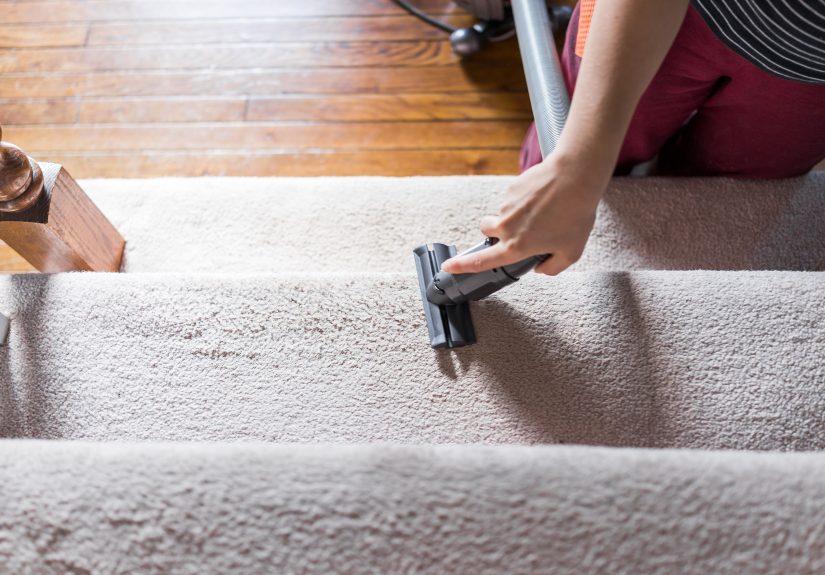
6. Motorized Pet Tool or Mini Power Brush
This attachment is the overachiever. It is a small powered brush head designed for above-floor cleaning where regular suction is not enough. Some brands market it as a pet tool, mini motorized tool, turbo brush, or handheld power brush.
Best uses: pet hair on stairs, car mats, car seats, couches, upholstered steps, and heavily used chairs.
Why it works: the rotating brush agitates and lifts embedded hair and dirt that static suction alone often leaves behind.
Common mistake: using it on delicate fabrics, fringe, or materials that snag easily. When in doubt, test carefully or switch to a gentler upholstery or dusting attachment.
7. Mattress or Fabric Tool
Some vacuums include a dedicated mattress or fabric tool. It may resemble an upholstery tool, but it is usually tuned for broad, fabric-covered surfaces where fine dust and allergens collect.
Best uses: mattresses, upholstered bed frames, pillows with removable covers, and fabric surfaces that collect body dust and lint.
Why it works: the design helps maintain broad contact with the surface while pulling out fine particles that settle into fabric over time.
Common mistake: expecting it to replace deep fabric cleaning. Vacuuming a mattress helps remove dry debris, dust, and loose material, but it does not magically erase stains, odors, or every life decision that mattress has witnessed.
8. Hard-Floor or Parquet Tool
This tool is designed for wood, tile, laminate, and other hard flooring, especially surfaces that need a gentler touch. Many hard-floor heads use soft bristles or a broad smooth opening to pick up dust without scratching.
Best uses: hardwood floors, delicate tile finishes, low-debris maintenance cleaning, and homes where scattered fine dust is more common than giant chunks of dirt.
Why it works: soft bristles can guide dust into the suction path, while the wider head helps clean efficiently without relying on an aggressive rotating brush.
Common mistake: assuming more spinning always means better cleaning. On delicate surfaces, a gentler hard-floor attachment is often the smarter choice.
How to Choose the Right Attachment Fast
If you do not want to overthink it, use this rule: match the attachment to the surface and the type of debris.
- Tight space? Use the crevice tool.
- Delicate dusty surface? Use the dusting brush.
- Fabric furniture? Use the upholstery tool.
- Embedded pet hair? Use the motorized pet tool.
- Need more reach? Add the extension wand.
- Hard floors that need a gentle pass? Use the hard-floor or parquet tool.
- Mattress or broad fabric panel? Use the fabric or mattress tool.
In other words, do not pick the tool based on what is closest to your hand. Pick the one that matches the mess. That one tiny decision can make the difference between a five-minute cleanup and a thirty-minute grudge match.
Common Mistakes That Make Attachments Feel Useless
Using the wrong attachment for the surface
A dusting brush on a hairy sofa will disappoint you. A motorized tool on a delicate lampshade may also disappoint the lampshade.
Moving too fast
Attachments work best with slower, controlled passes. Speed is great for highway driving, not for pulling grit out of upholstery seams.
Ignoring maintenance
Attachments collect hair, lint, and fine dust. If the opening is clogged or the brush is wrapped in hair, performance drops fast. Clean the tools regularly so they can actually do their job.
Forgetting airflow matters
A full dust bin, dirty filter, or blocked hose reduces suction everywhere, including at the attachment. If every tool suddenly feels weak, the problem may not be the tool at all.
Tips for Getting Better Results From Any Attachment
- Vacuum from top to bottom so dust from higher surfaces does not fall onto areas you already cleaned.
- Use overlapping passes, especially on upholstery and stairs.
- For pet hair, make multiple slow passes in different directions.
- Check your manual before using powered tools on delicate fabrics, tassels, or loose weaves.
- Clean attachment openings and brush rolls often, especially if long hair is involved.
- Store your most-used tools where you can grab them quickly. Convenience is half of cleaning success.
Real-World Experiences: What People Usually Learn After Actually Using Them
Here is the funny thing about vacuum attachments: most people do not appreciate them until they finally use the right one in the right place and instantly wonder where this knowledge has been all their lives. The first real lesson usually comes from the crevice tool. Someone decides to run it along a baseboard or between couch cushions, and suddenly an alarming amount of dust appears. It is both satisfying and deeply offensive. Satisfying because the tool works. Offensive because apparently that dust has been paying rent there for months.
The dusting brush tends to create a different kind of revelation. People who normally use a dry cloth on blinds, shelves, or vents often realize that they have been moving dust around rather than removing it. The dusting brush feels slower at first, but then you notice there is less dust floating in the air and less resettling later. It is one of those small changes that makes a room feel cleaner, not just look briefly cleaner.
The upholstery tool is usually where expectations become more realistic. It works beautifully on everyday debris: crumbs, lint, dust, and surface hair. But it also teaches an important truth: not all messes are the same. Loose debris comes up quickly. Embedded pet hair does not. That is when many people finally understand why mini motorized tools exist. On stairs, car seats, and heavily used couches, a powered pet attachment can feel less like an accessory and more like a rescue mission.
Extension wands also have a way of changing habits. At first, they seem optional. Then someone uses one to clean a ceiling vent, the top shelf of a bookcase, or the deep stretch under a bed, and suddenly the wand becomes a permanent member of the cleaning lineup. The experience is not glamorous, but it is practical. You do not have to drag furniture across the room or climb onto something questionable just to reach a dusty corner. That alone is a win.
Hard-floor tools create another common experience: relief. People with hardwood or delicate floors often realize that using a softer, purpose-built floor attachment simply feels smoother and more controlled. There is less of that noisy scraping, less debris scattering, and less worry about being too aggressive. It is the cleaning equivalent of switching from work boots to shoes that actually fit.
And then there is the maintenance lesson, which nobody enjoys but everybody eventually learns. Attachments work best when they are clean. The moment a tool gets wrapped in hair or clogged with lint, performance drops and frustration rises. Many people assume the vacuum is losing power, when really the attachment is just overdue for a haircut. A quick cleanup often fixes the problem immediately.
In real homes, that is the pattern again and again: the right attachment makes cleaning easier, faster, and weirdly more satisfying. Not because it turns chores into a party, but because it removes friction. And when a tool removes friction, you are far more likely to use it regularly instead of postponing the job until the dust starts developing confidence.
Final Thoughts
The most common vacuum attachments are not random extras tossed into the box to justify the price. They each solve a specific cleaning problem. The crevice tool handles narrow spaces. The dusting brush tackles delicate surfaces. The upholstery tool helps with furniture. The extension wand improves reach. The motorized pet tool lifts stubborn hair. The mattress tool targets fabric-heavy areas. The hard-floor attachment protects and cleans delicate flooring more effectively.
Once you understand what each tool is meant to do, cleaning becomes less of a guessing game and more of a system. And that is the real secret: a vacuum is only as versatile as the attachment you bother to use. Choose the right one, and suddenly the job gets easier. Choose the wrong one, and you are just angrily waving plastic at dust.