Table of Contents >> Show >> Hide
- What Sparked 800+ Complaints To Ofcom?
- Sabrina Carpenter’s “Too Hot For Tea Time” Performance
- Charli XCX, Sheer Dresses, And “Free The Nipple”
- Ofcom, The Watershed, And Where The Line Is Drawn
- Outrage, Eye-Rolls, And Generational Whiplash
- Sex, Standards, And The Pop Culture Tightrope
- Experiences And Takeaways Around The Ofcom Complaint Storm
- Conclusion: More Than Just 825 Angry Emails
The 2025 BRIT Awards were supposed to be about trophies, live music, and sparkly outfits. Instead, a couple of pop stars managed to turn a standard awards night into a full-on culture war.
More than 800 complaints were sent to Ofcom, the UK’s media regulator, with the majority aimed at Sabrina Carpenter’s sultry performance and Charli XCX’s sheer black dress.
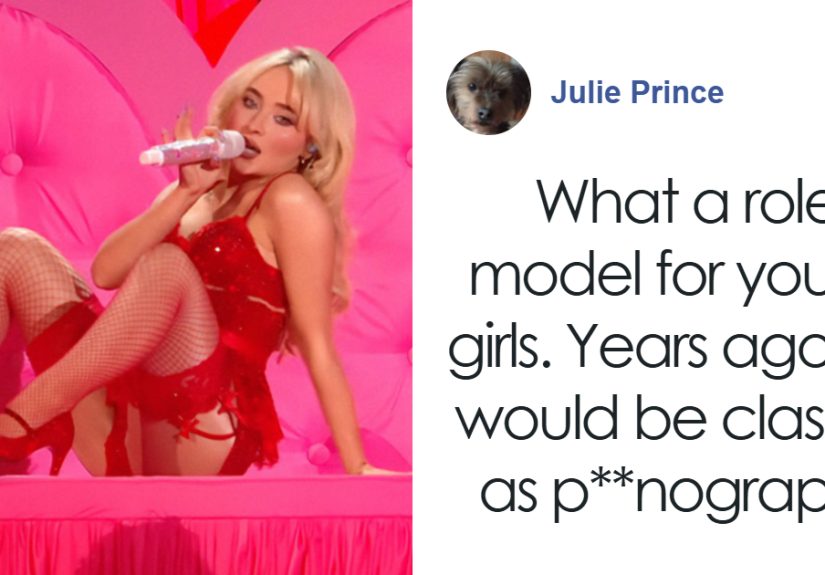
If you somehow missed the drama: Sabrina opened the show with a medley that mashed her mega-hit “Espresso” with “Rule, Britannia!” before switching into red lingerie for “Bed Chem” on a giant heart-shaped bed.
Charli XCX, meanwhile, swept the awards in a see-through gown that had just as many people clutching their pearls as cheering “free the nipple.”
The result? Hundreds of viewers complaining that the BRITs “used to be a family show,” while others rolled their eyes and suggested a very simple solution: pick up the remote.
Let’s unpack what actually happened, why Ofcom was flooded with complaints, and what this says about pop culture in 2025.
What Sparked 800+ Complaints To Ofcom?
First, the basics. The 2025 BRIT Awards took place at London’s O2 Arena on March 1, with the show airing on ITV in the UK.
According to the regulator’s weekly bulletins and media reports, Ofcom received around 825 complaints about the broadcast, a noticeable spike for a music awards show.
The vast majority of those complaints reportedly mentioned two things:
- Sabrina Carpenter’s “overly sexual” opening performance
- Charli XCX’s revealing sheer dress during her multiple on-stage appearances
For context, Ofcom is responsible for enforcing the UK’s broadcasting rules, including what can be shown before the 9 p.m. “watershed” the time after which more adult content is generally allowed.
Sabrina’s performance aired around 8:15 p.m., firmly in the pre-watershed “kids might still be watching” zone, which is exactly what triggered many of the complaints.
Sabrina Carpenter’s “Too Hot For Tea Time” Performance
From King’s Guards To Heart-Shaped Bed
Sabrina Carpenter’s set was designed to be tongue-in-cheek, theatrical, and very on-brand. She kicked things off in a red sparkly military-style blazer dress, surrounded by dancers dressed like the King’s Guard.
“Espresso” already a flirty track about being someone’s irresistible obsession was cheekily woven together with “Rule, Britannia!” as a kind of pop-patriotic mashup.
Then came the part that really lit up the complaint lines. The performance shifted into “Bed Chem,” with Sabrina changing into red lingerie and stockings and performing on a giant heart-shaped bed with her dancers.
At one point she knelt in front of a male dancer while he winked toward the camera, a moment critics said pushed the routine from “sexy” into “strip-club vibes” for early-evening TV.
“It Used To Be A Family Show” vs “Just Change The Channel”
Many viewers who complained framed their frustration around the timing and the audience. Parents wrote that they were watching with kids as young as eight or nine, expecting a PG-ish awards show, not a performance that looked like a late-night music video.
Some said they felt blindsided and uncomfortable having to explain the staging and lyrics in real time.
On the flip side, fans pointed out that:
- The BRITs have always flirted with edgy performances this isn’t exactly a church service.
- Pop has a long history of provocative staging, from Madonna to Miley Cyrus.
- Parents are ultimately in control of the TV remote and content settings.
Sabrina herself leaned into the discourse with a playful Instagram caption after the show, joking that she “now knows what watershed is,” a nod to learning firsthand how sensitive pre-9 p.m. viewers can be.
Charli XCX, Sheer Dresses, And “Free The Nipple”
Five Awards And One Very Talked-About Outfit
While Sabrina was catching heat for her performance, Charli XCX drew complaints simply by standing on stage.
The British pop star had a huge night, taking home a stack of awards, including artist of the year and album of the year for her massively influential record “Brat.”
She accepted those awards wearing a long, sheer black dress, designed so that most of her body including her chest was visible underneath.
Red carpet photos went viral, and viewers who prefer their awards shows PG-rated were not impressed.
Some complained that the outfit was “inappropriate,” “too explicit for TV,” or “not what children should see during an awards show.”
“We’re In The Era Of ‘Free The Nipple,’ Right?”
Charli didn’t ignore the backlash. During one of her acceptance speeches, she openly referenced the criticism, saying she’d “heard that ITV were complaining about [her] nipples” and adding that we’re in the era of “free the nipple.”
It was a classic Charli move: a mix of humor, defiance, and commentary about how women’s bodies are still patrolled more harshly than almost anything else on live TV.
Supporters argued that:
- Similar levels of nudity are common in high fashion and on social media.
- Male performers can appear shirtless without attracting the same outrage.
- The human body isn’t inherently obscene it’s the cultural lens that makes it so.
Critics, however, countered that the issue wasn’t nudity in general, but the context: an early-evening televised show that many families watch together.
Ofcom, The Watershed, And Where The Line Is Drawn
The 9 p.m. watershed exists specifically to protect children from material that is “unsuitable” for them which can include explicit sexual content, strong language, or graphic violence.
Before that time, broadcasters are expected to err on the side of caution with both programming and promos.
What makes this case interesting is that the BRITs are inherently a music show about current pop culture, where artists are known for pushing visual and lyrical boundaries.
When you put a hyper-sexualized performance and a sheer designer gown into a pre-watershed slot, you’re basically daring the public to debate whether the line has shifted.
Ofcom’s process is also important to understand. Receiving 825 complaints does not automatically mean the show broke the rules.
The regulator first assesses whether the complaints raise potential breaches of its broadcasting code. Only if they do will it launch a formal investigation, which may or may not lead to sanctions.
Outrage, Eye-Rolls, And Generational Whiplash
One reason this story exploded is that it wasn’t just a TV standards issue; it became a generational and cultural clash.
On social media, you could roughly split reactions into three camps:
- The “Won’t Somebody Think Of The Children?” group – Often parents, or viewers who grew up with tamer broadcasts, arguing that TV has gone too far and that “family events” should stay relatively clean.
- The “Just Change The Channel” crowd – Viewers who find the outrage overblown and see complaints as performative, especially given how easily content can be avoided with parental controls.
- The “This Is Literally Pop History” fans – People who see these performances as part of the long tradition of provocative pop, and view attempts to tone it down as regressive or moralistic.
Add in the fact that both Sabrina Carpenter and Charli XCX have strong, internet-savvy fanbases, and the story was never going to stay within the boundaries of traditional TV criticism.
It quickly morphed into a wider conversation about censorship, feminism, and who gets to decide what’s “appropriate.”
Sex, Standards, And The Pop Culture Tightrope
Zooming out, the BRITs controversy highlights the tightrope broadcasters walk in 2025.
On one hand, artists are encouraged to be bold, express their sexuality, and push creative boundaries.
On the other, regulators and mainstream channels still operate under rules built for a world where families gather around a single television, not one where teens are already watching racier content on their phones.
There are also glaring double standards at play:
- Violence in movies and shows often attracts fewer complaints than a glimpse of underwear or a sheer dress.
- Women’s bodies are policed more heavily than men’s, even when the amount of skin on display is similar.
- Red carpet and stage outfits that would be totally normal at a beach or on Instagram suddenly become “scandalous” when broadcast on TV.
The 825 complaints don’t automatically mean the majority of viewers were offended they simply reflect the people motivated enough to file a formal objection.
Meanwhile, millions watched, tweeted memes, and moved on with their lives.
Experiences And Takeaways Around The Ofcom Complaint Storm
Beyond the headlines and hot takes, it’s worth looking at how people actually experience moments like this in real life.
The 800+ complaints tell one part of the story, but the lived reactions in living rooms, group chats, and social feeds show a much more nuanced picture.
In The Living Room With Kids On The Sofa
Imagine a Saturday night where a family sits down expecting “music, jokes, and maybe some awkward speeches.”
The opening shot is a pop star in stockings on a heart-shaped bed. For some parents, that’s a hard record scratch moment.
They’re suddenly weighing three things at once: protecting their kids, not overreacting, and not turning the show into a forbidden fruit that makes it even more appealing.
Many parents in situations like this describe a familiar pattern:
- A beat of awkward silence while they decide whether to keep watching.
- An internal debate: “Is this really that bad, or am I projecting my own upbringing?”
- A quick decision to either change the channel, mute, or turn the moment into a short, age-appropriate conversation.
For some, the performance becomes a teachable moment about bodies, consent, or media literacy: “This is a performance, not real life. How do you feel about it? Does it seem respectful?”
For others, it’s simply, “Okay, this is too much for tonight. Let’s watch something else.”
In Group Chats And Fan Communities
Meanwhile, in fan group chats and on social media, the energy is completely different.
Fans are trading clips, analyzing choreography, and celebrating new career milestones.
The complaints become something to joke about: “Ofcom is about to hit a personal best because Sabrina opened the show in lingerie” or “Charli’s dress just broke the complaint counter.”
For fans, these moments often feel like wins:
- A pop girl they love is finally being taken seriously enough to upset the “respectable” crowd.
- The controversy generates more streams, more press, and more cultural relevance.
- They get to rally around their fave in the face of criticism and moral panic.
There’s also a sense of déjà vu. Every generation has its “too far” moment: Madonna in a wedding dress, Britney with a snake, Janet Jackson’s Super Bowl incident.
Fans know the cycle: outrage, over-analysis, then eventual canonization as an iconic performance.
Behind The Scenes: Broadcasters And Regulators
On the industry side, the 825 complaints are less about scandal and more about risk management.
Broadcasters review whether they gave enough warnings, whether the staging matched what they’d approved, and whether edits or tighter delay systems are needed in future live shows.
Regulators, for their part, look at the details: Was the camera work lingering in a way that sexualized the performance more than necessary?
Was the context editorially justified? Did the broadcaster consider the time of day and likely audience?
Their job is less about personal taste and more about whether the broadcast met the existing code.
And artists? Experiences like this often sharpen their approach. Some decide to lean in and become even more provocative, framing the backlash as proof they’ve hit a cultural nerve.
Others adapt slightly not necessarily toning down the art, but being more strategic about timing, staging, or where certain versions of performances are aired.
What We Learn From Moments Like This
The BRITs complaints episode is a reminder that pop culture doesn’t exist in a vacuum.
It sits at the intersection of art, commerce, regulation, and personal values.
When hundreds of viewers complain and millions keep watching, both reactions are real, and both say something about where society is right now.
For viewers, the experience pushes us to think about how we use tools we already have remotes, content filters, conversations at home instead of relying solely on regulators to sanitize reality.
For broadcasters and artists, it’s a signal that the line between “bold” and “too far” is still moving, and the only constant is that someone, somewhere, will think you’ve crossed it.
Conclusion: More Than Just 825 Angry Emails
“800+ Complaints Sent To UK Regulator, Majority Over Sabrina Carpenter And Charli XCX” sounds like a headline about scandal, but underneath it’s really a story about transition.
TV standards built for a pre-internet world are colliding with pop stars who live in an always-on, uncensored digital culture.
Ofcom’s complaint tally doesn’t mean the BRITs were objectively “too sexy” or “perfectly fine” it means people care enough to argue about where the boundaries should be.
Sabrina Carpenter’s performance and Charli XCX’s dress just happened to be the latest flashpoint in a long history of debates about what we show, when we show it, and who gets to decide.
Whether you saw the broadcast as empowering, inappropriate, or simply entertaining, one thing is clear: in 2025, a pop performance can still start a national conversation and yes, still crash a regulator’s inbox.