Table of Contents >> Show >> Hide
- Table of Contents
- Why Pancake Mix Can Beat Homemade
- Tip 1: Swap Water for Richer, Tangier Liquid
- Tip 2: Add Real Fat (and Make It Taste Like It)
- Tip 3: Use Eggs Like a Chef, Not a Suggestion
- Tip 4: Add a “Bakery Flavor” Booster
- Tip 5: Rest the Batter (Yes, It Matters)
- Tip 6: Control Thickness and Stop Overmixing
- Tip 7: Cook Smarter for Better Browning and Texture
- Tip 8: Finish Strong with Pro-Level Add-Ins and Toppings
- Quick Troubleshooting (Because Pancakes Have Opinions)
- Three “Better-Than-Homemade” Upgrade Combos
- Real-Life Experiences: Why These Tips Actually Work (and How They Feel in a Real Kitchen)
- Final Thoughts
Boxed pancake mix gets a bad rap. People talk about it like it’s a “backup breakfast” you only make when you’re out of flour, out of patience, or out of time (or all three, because mornings are a conspiracy).
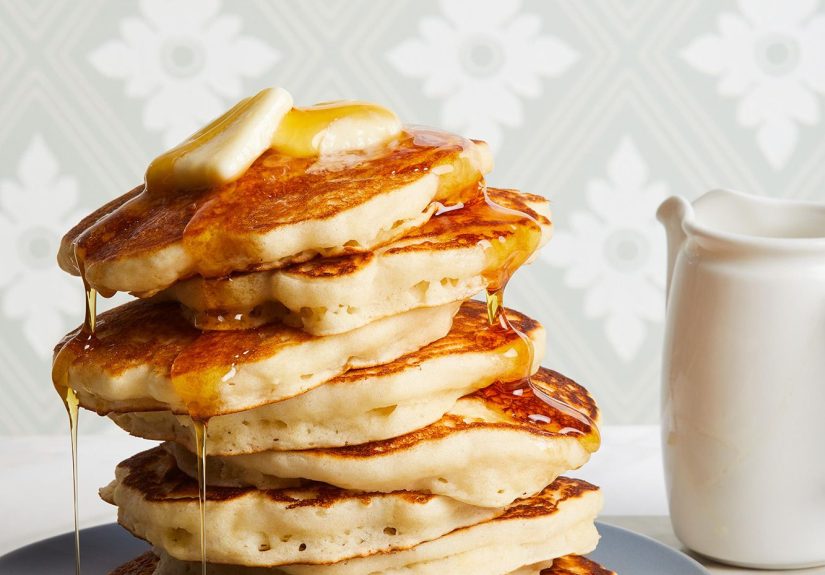
But here’s the plot twist: pancake mix can actually taste shockingly goodsometimes even better than homemadeif you treat it like a shortcut, not a finished product.
Think of pancake mix as the “blank canvas” of breakfast: it already has the basics (flour, leavening, salt, sometimes a little sugar), so you can focus on what actually makes pancakes crave-worthy:
richer dairy, better flavor, and the right technique so they’re fluffy inside, golden outside, and not mysteriously rubbery.
Why Pancake Mix Can Beat Homemade
Homemade pancakes are only “better” when they’re made well. Real life, however, is full of people eyeballing flour at 7:12 a.m., mismeasuring baking powder, and overmixing like they’re training for an arm-wrestling tournament.
A good boxed mix is consistentit’s already balanced for lift, salt, and basic flavorso when you add the right upgrades, you get reliable structure and custom, homemade-style taste.
Your goal is simple: give the mix what it’s missing (fresh dairy flavor, richer fat, better aroma), then cook it correctly so the texture matches the taste.
Tip 1: Swap Water for Richer, Tangier Liquid
If your mix says “just add water,” that’s not a recipeit’s a dare. Water can hydrate the flour, sure, but it adds zero flavor and zero richness.
The fastest way to make pancake mix taste homemade (or better) is to replace water with a dairy-based liquid that brings fat, protein, and tang.
Best swaps (choose one)
- Buttermilk: Tangy, slightly thick, and classic pancake flavor. Great for “diner-style” pancakes.
- Kefir: Similar to buttermilk with a little extra cultured flavor. Super tender results.
- Whole milk: Richer than water and easy. If you want neutral flavor but better texture, start here.
- Milk + Greek yogurt: Adds tang and tenderness. Great if you like fluff with a soft crumb.
- Milk + sour cream: Extra richness and a subtle tang that reads “homemade” immediately.
How to do it without turning batter into cement
If you’re using something thick (Greek yogurt, sour cream), whisk it into the liquid first so it becomes pourable, then combine with the mix.
Start by replacing most of the water with your swap, then add a splash more only if the batter seems too thick to pour. Pancake batter should flow slowlylike lava, not like soup.
(Delicious lava. Breakfast lava.)
Tip 2: Add Real Fat (and Make It Taste Like It)
Fat is where pancake happiness lives. It carries flavor, improves browning, and gives pancakes that tender, rich bite you associate with “wow, these are good.”
Many mixes are designed to work with minimal fatgreat for convenience, not always great for taste.
Two easy upgrades
- Melted butter instead of oil: Adds classic buttery flavor and better aroma.
- Browned butter (for weekend energy): Brown your butter until it smells nutty and toasted, then cool slightly and use it in the batter. Instant “fancy breakfast” vibes.
Bonus (optional): add an extra egg yolk
If your mix already calls for eggs, adding one extra yolk can boost richness without making the pancake taste “too eggy.”
Yolks add fat and emulsifiers, which can make the texture more tender and the flavor more rounded.
Practical note: let melted (or browned) butter cool for a minute before mixing so it doesn’t cook your eggs. You want pancakes, not surprise breakfast scramble.
Tip 3: Use Eggs Like a Chef, Not a Suggestion
Eggs do more than exist in the batter. They help bind, add richness, and support lift so pancakes hold onto air as they cook.
If your mix doesn’t call for eggs, adding one can make the pancakes noticeably richer and less fragile.
Option A: Add one egg (if your mix doesn’t require it)
Whisk the egg into your liquid first, then add the dry mix. This improves texture and helps the pancakes brown more evenly.
Option B: Whip one egg white for fluffier pancakes
Want tall, airy pancakes that feel “homemade-plus”? Separate one egg. Beat the white until it’s foamy and forming soft peaks, then fold it gently into the mixed batter.
This adds extra air without needing extra leavening.
Option C: Room-temp eggs and dairy
Cold ingredients can make batter harder to mix smoothly and can reduce how well it traps air. If you have five minutes, let your egg and dairy sit out briefly.
Tiny effort, better texture.
Tip 4: Add a “Bakery Flavor” Booster
This is the part where boxed mix turns into “Wait…what did you put in these?” pancakes.
The secret isn’t dumping in a dozen ingredientsit’s adding one or two high-impact flavors that smell amazing and taste balanced.
Pick 1–3 of these (don’t do all at once unless you enjoy chaos)
- Vanilla extract: 1/2 to 1 teaspoon per batch. Instant homemade aroma.
- Cinnamon or pumpkin pie spice: 1/4 to 1/2 teaspoon. Warm, cozy flavor.
- Citrus zest (lemon or orange): 1/2 teaspoon. Brightens everything.
- Almond extract: Just a few drops. Strong but bakery-like.
- Malted milk powder: 1–2 tablespoons for a “diner pancake” note that tastes nostalgic in the best way.
- A pinch of salt: Even if the mix contains salt, a tiny pinch can sharpen flavorespecially if you add sweet mix-ins.
Want a pro move? Add brown sugar (1–2 tablespoons). It deepens flavor and encourages better browning. Just don’t go overboard or you’ll get pancakes that brown too fast before the middle cooks.
Tip 5: Rest the Batter (Yes, It Matters)
Pancake batter isn’t a “mix and sprint” situation. Resting lets the flour fully hydrate and allows the batter to thicken slightly, which helps pancakes cook up fluffier and more even.
A short rest also reduces the risk of dry flour pockets hiding in your batter like unpleasant little surprises.
Simple rule
Let the batter rest for 10–15 minutes. Use that time to heat your skillet, slice fruit, or dramatically announce to everyone in the house that pancakes are happening.
One warning: if your mix relies heavily on chemical leaveners, letting batter sit for too long (like an hour) can reduce lift.
Short rest: good. Long nap: not always.
Tip 6: Control Thickness and Stop Overmixing
Here’s where many pancakes go wronghomemade or boxed. Overmixing creates tougher pancakes because it develops gluten. You want tender, not chewy.
The goal is “just combined,” not “perfectly smooth.”
How to get the batter texture right
- Add liquid gradually: Especially if you’re using yogurt, sour cream, or kefir.
- Expect lumps: Small lumps are fine. They disappear as the batter rests and cooks.
- If batter is too thick: Add a tablespoon of milk at a time until it pours slowly.
- If batter is too thin: Add a tablespoon of mix at a time, then rest 5 minutes before adjusting again.
A sneaky trick: sift the mix
If your boxed mix looks a little clumpy, sifting can help distribute leavening and prevent dense bitesespecially if the box has been sitting in your pantry plotting its revenge.
Tip 7: Cook Smarter for Better Browning and Texture
You can have the best batter on Earth and still end up with pale pancakes if your pan isn’t hot enoughor burnt outsides if your heat is too high.
Cooking is where “fine” becomes “wow.”
Griddle rules that actually matter
- Preheat properly: Medium to medium-low is usually right. A properly heated surface gives even browning.
- Grease lightly: Butter tastes amazing, but too much can burn. Use a thin layer, then reapply as needed.
- Flip once: When bubbles form and the edges look set, flip. Pressing or flipping repeatedly knocks out air.
- Keep them warm: If you’re making a batch, hold pancakes in a low oven so they stay soft and fluffy.
If your pancakes brown too fast, lower the heat and make them slightly smaller. Smaller pancakes cook through more evenly and give you a better fluffy-to-crispy ratio.
(Yes, pancake ratios are a real thing. Breakfast math.)
Tip 8: Finish Strong with Pro-Level Add-Ins and Toppings
“Better-tasting than homemade” often comes down to the finishing touchestexture, contrast, and flavor balance.
A pancake that’s fluffy and has a bright topping, a creamy element, and something crunchy? That’s the stuff people remember.
High-impact add-ins (fold in gently)
- Chocolate chips: Classic, but use mini chips for better distribution.
- Blueberries or sliced bananas: Add fruit for brightness and moisture.
- Toasted nuts: Pecans or walnuts for crunch and depth.
- Ricotta or a spoonful of Greek yogurt: Makes pancakes extra tender and “bakery soft.”
Make syrup taste like a restaurant does
- Warm it: Cold syrup on hot pancakes is a tragedy you can prevent.
- Add a tiny pinch of salt: Enhances sweetness without making it salty.
- Try a quick fruit compote: Simmer berries with a little sugar and lemon until glossy.
Leftovers that don’t taste sad
If you have extra batter, it’s usually better to cook it into pancakes now, then freeze the pancakes.
Reheating cooked pancakes tends to work better than storing raw batter for later, which can lose lift (and can be a food-safety headache if it contains eggs).
Quick Troubleshooting (Because Pancakes Have Opinions)
- Pancakes are flat: Batter may be too thin, pan too cool, or batter sat too long. Thicken slightly, preheat more, cook sooner.
- Pancakes are tough/chewy: Overmixed batter or too much flour added for “fixing.” Mix gently and rest.
- Burning outside, raw inside: Heat too high. Lower heat and make smaller pancakes.
- Pale pancakes: Heat too low or not enough fat on the surface. Preheat longer; add a thin film of butter or oil.
- Gummy center: Batter too thick or pancakes too large. Add a splash of milk; cook smaller.
Three “Better-Than-Homemade” Upgrade Combos
1) The Diner-Style Stack
- Swap water for buttermilk (or kefir)
- Add 1 teaspoon vanilla
- Add 1 tablespoon malted milk powder
- Rest batter 10 minutes
- Cook in a thin layer of butter
Result: fluffy, golden pancakes with that classic “breakfast spot” aromalike you paid for coffee you didn’t want but accepted anyway because the pancakes were worth it.
2) The “Cake-But-Make-It-Breakfast” Pancake
- Swap water for whole milk
- Use browned butter as your added fat
- Add 1 tablespoon brown sugar
- Add 1/4 teaspoon cinnamon
Result: richer flavor, deeper browning, and a cozy dessert-like vibe without crossing into “this is basically frosting” territory.
3) The Extra-Tender Weekend Pancake
- Use milk + 2 tablespoons Greek yogurt (whisk smooth first)
- Add one extra egg yolk
- Fold in whipped egg white (soft peaks)
- Rest batter 10 minutes
Result: ultra-tender pancakes with a cloud-like crumbsoft enough to feel fancy, sturdy enough to hold toppings without collapsing like a weak folding chair.
Real-Life Experiences: Why These Tips Actually Work (and How They Feel in a Real Kitchen)
In real homes, “better-than-homemade” usually doesn’t mean beating a professional pastry chef on their best day. It means beating the most common
homemade pancake outcomes: bland pancakes, tough pancakes, or pancakes that somehow taste like “flour with hope.” The upgrades above work because they target the parts of boxed mix that are intentionally plain.
The most noticeable change for many home cooks happens with the very first tip: swapping water for buttermilk, kefir, or milk. The batter immediately looks more luxuriousslightly thicker, creamierand the aroma while cooking changes, too.
Instead of “hot starch,” the kitchen starts smelling like a breakfast place. That’s the dairy doing its job: bringing flavor, encouraging browning, and adding tenderness.
If someone in the house claims they can “always tell it’s from a box,” this is the moment their confidence starts wobbling.
The second big “wow” moment tends to come from butterespecially browned butter. People often expect butter to help, but they don’t expect it to shift the entire flavor profile.
Browning butter creates that toasted, nutty scent that reads as homemade and special. It’s the same reason cookies with browned butter smell like you tried harder than you did.
The pancakes taste richer without being greasy, and the edges often brown more beautifully, which makes them feel more like restaurant pancakes than weekday fuel.
The egg-white trick is the one that surprises people most, because it feels almost too simple. When you fold in a whipped white, the batter becomes lighter, and the pancakes rise in a way that looks “crafted” instead of “poured from a carton.”
Families notice it as a texture upgrade: softer interior, fluffier bite, less of that dense, slightly rubbery chew that can happen with overmixed batters.
It also tends to make pancakes feel more satisfying even if you’re using the same amount of mix, because the volume and tenderness improve.
Resting the batter is the “quiet hero” move. It doesn’t look dramatic. No one claps for a bowl sitting on the counter.
But when the batter rests, pancakes cook more evenly and feel softerespecially if you were careful not to overmix.
Many cooks describe the difference like this: without resting, pancakes can feel slightly dry or uneven; with resting, they feel cohesive, tender, and less crumbly.
It’s the kind of improvement you might not notice on bite oneuntil you go back to not resting and wonder why everything suddenly feels…less good.
Cooking technique is where people either “level up” or accidentally sabotage their own good batter. In busy kitchens, the most common issue is heat that’s too high.
The outside browns before the inside is cooked, and suddenly you have pancakes that look perfect but eat like a damp sponge.
Dropping the heat slightly and cooking smaller pancakes solves this fast. The experience becomes less stressful, too:
instead of panic-flipping, you can wait for the bubbles and set edges, flip once, and actually enjoy making breakfast.
Finally, toppings and finishing touches are what make the meal memorable. Many people realize they don’t need a dozen fancy ingredientsjust one contrast.
Warm syrup instead of cold, a pinch of salt to sharpen sweetness, or a quick berry compote can make boxed pancakes feel like a weekend treat.
Add something crunchy (toasted nuts) or something creamy (Greek yogurt, whipped cream, a pat of compound butter), and suddenly the pancakes aren’t just “good for a mix.”
They’re just good. The box becomes irrelevant.
The overall experience is why these tips win: they make pancakes taste intentional. Not improvised. Not “we had this in the pantry.”
Intentional pancakes are the ones people request againwhether you used a mix or milled your own flour while wearing an apron that says Flour Power.
Final Thoughts
Making pancake mix better-tasting than homemade isn’t about pretending a box is magic. It’s about using the mix for what it is: a reliable base.
Upgrade the liquid, add real fat, use eggs strategically, rest the batter, and cook with confidence.
Do that, and you’ll get pancakes that are fluffy, flavorful, and legitimately craveableno heroic measuring required.