Table of Contents >> Show >> Hide
- A quick “pre-flight” plan (10 minutes, tops)
- 1) Lock down doors, windows, and the garage (for real)
- 2) Shut off (or isolate) water to prevent the most expensive surprise
- 3) Put your water heater in “vacation mode” (or turn it down safely)
- 4) Set your thermostat for safety and savings (not a science experiment)
- 5) Unplug small appliances and cut fire risks (especially heat and cooking gadgets)
- 6) Test smoke alarms and carbon monoxide alarms (because emergencies don’t RSVP)
- 7) Manage mail, packages, and “empty house signals”
- 8) Set up lighting and a simple check-in plan (your “backup quarterback”)
- Common vacation scenarios (and what to do)
- Conclusion
Vacations are supposed to be relaxing. But nothing nukes “beach brain” faster than a text from your neighbor that starts with,
“Hey… so your porch is doing a waterfall impression.” A few smart checks before you leave can protect your home from the
Big Three travel villains: leaks, break-ins, and “why is the freezer smell attacking me from 30 feet away?”
This pre-vacation home checklist pulls from guidance commonly recommended by U.S. fire-safety agencies, consumer safety experts,
energy-efficiency resources, and major insurersthen translates it into plain English you can knock out in one focused walk-through.
(Yes, even if you’re already half-packed and living on airport snacks.)
A quick “pre-flight” plan (10 minutes, tops)
- Start inside: water, heat/AC, appliances, alarms.
- Move to entry points: doors, windows, garage.
- Finish outside: lights, yard signals, trash, deliveries.
1) Lock down doors, windows, and the garage (for real)
“I locked up” is not a security strategyit’s a vibe. Before you leave, physically test every exterior door and the garage entry.
Deadbolts should fully extend; strike plates should feel solid; sliding doors should be pinned or secured with a bar if you have one.
Check basement windows and any “hidden” entries (side gates, back doors, patio sliders) that burglars love because they’re less visible.
What to double-check
- Door locks: deadbolts engaged, not just the knob lock.
- Windows: fully latched (especially second-floor “it’s fine” windows).
- Garage: close it, then confirm it actually sealed; lock the interior door from garage to house.
- Spare keys: don’t hide one under the mat or in the “totally original” fake rock.
Pro move: take a 15-second video of your front door locked, garage closed, and key areas secured.
It’s weirdly calming at the airport when your brain tries to gaslight you into thinking you left the garage wide open.
2) Shut off (or isolate) water to prevent the most expensive surprise
If your home had a favorite chaos hobby, it would be water damage. A slow leak can become a full-blown indoor pool while you’re away,
especially from washing machine supply lines, dishwasher hoses, or a toilet that decides it wants to run a marathon.
Many home-care pros recommend turning off the main water valve when you’ll be gone for more than a couple daysor at least shutting off
valves to high-risk appliances.
What to double-check
- Main water valve: know where it is and confirm it turns (don’t wait until you’re sprinting out the door).
- Appliance valves: shut off supply lines to washing machine and dishwasher if you’re not doing the whole-house shutoff.
- Quick leak scan: look under sinks, around toilets, and near the water heater for drips or dampness.
If you do shut off the main, open a faucet briefly to confirm flow stops, and consider relieving pressure in the lines.
The point is simple: no water pressure means fewer ways for a tiny failure to become a thousand-dollar problem.
3) Put your water heater in “vacation mode” (or turn it down safely)
Heating water while you’re gone is like ordering pizza to an empty house: generous, unnecessary, and kind of suspicious.
Many water heaters have a “vacation” or “away” setting. If yours doesn’t, you can usually turn the thermostat down to the lowest setting
for extended tripsor switch it off, depending on the type and your comfort level.
What to double-check
- Find the “vacation/away” setting on your unit (or plan a safe lower setting).
- If you turn it off, make sure you know how your model restarts (especially gas units).
- If you’re adjusting temperature, many energy resources suggest around 120°F for typical home use.
Bonus: this reduces energy use and can limit wear on the unit. Just don’t create a “surprise cold shower” situation for Future You
by forgetting to switch it back on before you unpack.
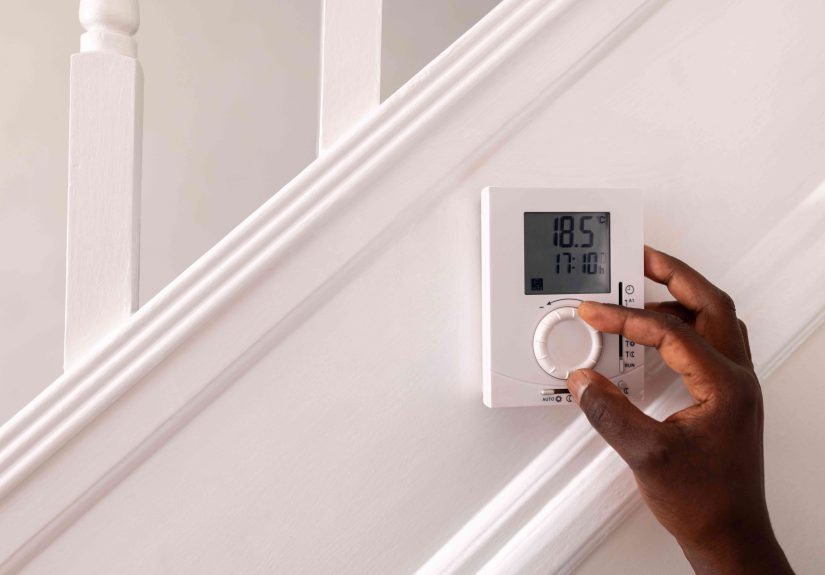
4) Set your thermostat for safety and savings (not a science experiment)
Thermostat strategy depends on season, pets, plants, and your home’s quirks. But in general, you want to avoid extremes:
too cold in winter can risk frozen pipes; too warm and humid in summer can invite mold, warped wood, and general “swamp house” energy.
A smart thermostat schedule (or a simple manual adjustment) usually saves money and keeps things stable.
What to double-check
- Winter: don’t set it so low that pipes are at risk in cold snaps.
- Summer: don’t turn AC completely off if your home traps humidityaim for a reasonable “away” temperature.
- Replace HVAC filters if they’re overdue (cheap insurance for airflow and efficiency).
If you’re unsure, start with conservative adjustments and avoid huge swings. Your goal is “boring, stable house,” not “extreme sports
for drywall.”
5) Unplug small appliances and cut fire risks (especially heat and cooking gadgets)
Most vacation disasters aren’t dramatic movie scenesthey’re boring little failures that get big when nobody’s home.
Unplugging small appliances reduces fire risk and protects electronics from power surges. Pay extra attention to anything that heats,
cooks, or has a motor.
What to double-check
- Unplug countertop appliances: toaster ovens, air fryers, coffee makers, electric kettles.
- Unplug chargers and non-essential electronics or switch off a power strip.
- Absolutely off: space heaters and portable heating devices.
- Confirm stove/oven is off (yes, double-check the knobs; no, “I think so” doesn’t count).
Keep major appliances plugged directly into outlets (no sketchy extension cords), and don’t leave heat sources running unattended.
If your home has a history of tripping breakers, now is not the time to “see what happens.”
6) Test smoke alarms and carbon monoxide alarms (because emergencies don’t RSVP)
Alarms are the cheapest home insurance you can buy, and they’re only helpful if they actually work. Before a trip, do a quick press-and-hold
test on smoke alarms and CO alarms. If an alarm chirps, it’s not singing you a farewell balladit’s telling you it needs attention.
What to double-check
- Press the test button on smoke alarms and CO alarms.
- Replace batteries as needed (and don’t ignore the chirp).
- Check age: many smoke alarms are recommended to be replaced around the 10-year mark.
If you have interconnected alarms, confirm they communicate properly. The point is simple: if something goes wrong while you’re gone,
you want the earliest possible warning for neighbors, monitoring services, or anyone checking in.
7) Manage mail, packages, and “empty house signals”
A piled-up mailbox is basically a neon sign that says, “Hello, I am not home and my plants are also struggling emotionally.”
Before you travel, pause deliveries, plan for packages, and make sure your home looks lived-inwithout broadcasting your itinerary.
What to double-check
- Mail: schedule a hold (USPS offers a free hold for a defined window) or have a trusted person collect it.
- Packages: pause subscriptions, reroute deliveries, or ask a neighbor to grab boxes promptly.
- Social media: don’t post real-time travel updates that announce your absence.
If you’ll be gone more than a few days, it’s also smart to stop newspaper delivery (if you still get onerespect) and avoid leaving flyers
stuck in the door. Tiny details are what make a house look unattended.
8) Set up lighting and a simple check-in plan (your “backup quarterback”)
The most effective home security is layered: good locks + smart habits + the illusion that someone might walk in at any time.
Timers or smart lights can make evenings look normal. Outdoor motion lighting can help deter prowling. And having a trusted person check
the houseespecially on longer tripscovers the stuff technology can’t (like “why does the basement smell weird?”).
What to double-check
- Put a few interior lights on timers (vary the scheduledon’t create a robot-house pattern).
- Ensure outdoor lights work; consider motion-sensing lights near entrances.
- Give a trusted friend/neighbor a way to reach you and a short “if X happens, do Y” list.
- If you have cameras/alarms, confirm they’re armed, updated, and sending notifications correctly.
Think of this as your home’s “emergency contact.” You don’t expect a problemyou’re just refusing to be surprised by one.
Common vacation scenarios (and what to do)
If you’re leaving for a weekend
- Lock up, check water risk spots, run timers, hold packages if needed.
If you’re leaving for 1–2 weeks
- Consider shutting off water main, adjust water heater, set thermostat to a safe “away” temperature, pause mail.
- Ask someone to check in at least once.
If you’re leaving for a month+
- Do everything above, plus confirm any insurance or property requirements for extended absences.
- Arrange recurring check-ins (and lawn/snow care so the house doesn’t look abandoned).
Conclusion
A solid “before vacation” routine isn’t about being paranoidit’s about buying yourself peace. Lock the entry points, reduce water and fire risk,
keep temperatures stable, and make the home look normally lived-in. Then hand the baton to a trusted neighbor or friend for a quick check-in,
and go enjoy your trip like the responsible adult you are (who still packed snacks like a raccoon).
Experience highlights (about ): what people learn the hard way
Homeowners swap vacation horror stories the way travelers swap lost-luggage taleshalf therapy, half public service announcement.
One of the most common themes is water damage that starts small and quietly. People will say things like, “It was just a supply line,” or
“The toilet was running a little,” and then describe coming home to warped floors and a smell that should be illegal. The lesson is rarely
“renovate your entire plumbing system”it’s usually “turn off the water, or at least isolate the risky stuff.” A five-minute shutoff can beat a
five-figure repair every single time.
Another frequent story: the thermostat gamble. Someone leaves in summer thinking, “I’ll turn the AC off and save money,” only to return to a home
that feels like a greenhouse. In humid climates, that can mean musty odors, sticky wood floors, or mildew forming where air circulation stalled.
In winter, the opposite happens: a too-low setting plus an unexpected cold snap can stress pipes in vulnerable spots. The pattern is consistent:
the “most extreme setting” is rarely the smartest one. People who have the best luck aim for stable, moderate conditionsenough to protect the house,
without paying to keep it perfectly comfortable for an empty living room.
Then there’s the “empty house tells on you” category. A neighbor might notice flyers accumulating, packages stacked like a tiny cardboard skyline,
or lights that never change. Folks who’ve dealt with a close call often become believers in simple routines: pause deliveries, hold mail, and use a
couple lamps on timers so evenings look normal. They don’t try to stage a full Broadway production of “Someone Is Definitely Home,” either.
Overdoing it can look strange; basic, believable patterns work best.
Finally, experienced travelers swear by the check-in buddy system. Technology is great until Wi-Fi hiccups, a camera misses an angle, or an alert
triggers when you’re on a tour with no signal. A trusted person who can walk the property, confirm there’s no leak under the sink, and reset a tripped
breaker is a real-world safety net. People who skip this step often say the same thing afterward: “I wish someone could’ve looked sooner.”
The happiest vacationers aren’t the ones who never worrythey’re the ones who build a simple backup plan before they leave.