Table of Contents >> Show >> Hide
- How Jane Austen Stories Became Real-Life Film Locations
- 1. Chatsworth House, Derbyshire – Pemberley in Pride & Prejudice (2005)
- 2. Lyme Park, Cheshire – Pemberley in the 1995 BBC Pride and Prejudice
- 3. Lacock Village, Wiltshire – Meryton and More
- 4. Bath – Persuasion, Emma, and the Real-Life Society Circuit
- 5. Wilton House, Wiltshire – Ballrooms, Drawing Rooms, and Pemberley Interiors
- 6. Saltram House, Devon – Norland Park in Sense and Sensibility (1995)
- 7. Mompesson House, Salisbury – Mrs. Jennings’ London Townhouse
- 8. Groombridge Place, Kent – Longbourn in Pride & Prejudice (2005)
- Planning Your Own Jane Austen Movie Location Trip
- Walking in Austen’s Footsteps: What the Experience Is Really Like
If you’ve ever watched a Jane Austen movie and thought, “I would like to be dramatically rained on while confessing my love in front of that mansion,” good news: many of those filming locations are real places you can actually visit.
From sweeping Derbyshire estates to cobbled Georgian streets in Bath, the world of Austen on screen is rooted in real English houses, villages, and landscapes that welcome visitors today.
Below, you’ll find eight iconic Jane Austen movie locations you can visit in real life, plus tips on what to see, how to plan your own Regency-inspired road trip, and a behind-the-scenes style look at what it really feels like to walk through a film set that doubles as Pemberley, Longbourn, or Norland Park.
How Jane Austen Stories Became Real-Life Film Locations
Filmmakers adapting Austen’s novels rely heavily on England’s historic houses, villages, and cities to capture the late 18th- and early 19th-century world.
Estates like Chatsworth House and Lyme Park stand in for the fictional Pemberley, while Georgian cities such as Bath provide ready-made promenades, assembly rooms, and elegant terraces.
Many of these properties are run by the National Trust or private estates open to the public, which means you don’t need a Hollywood budget to visit themjust a ticket, some comfortable shoes, and perhaps a high tolerance for souvenir tea towels.
1. Chatsworth House, Derbyshire – Pemberley in Pride & Prejudice (2005)
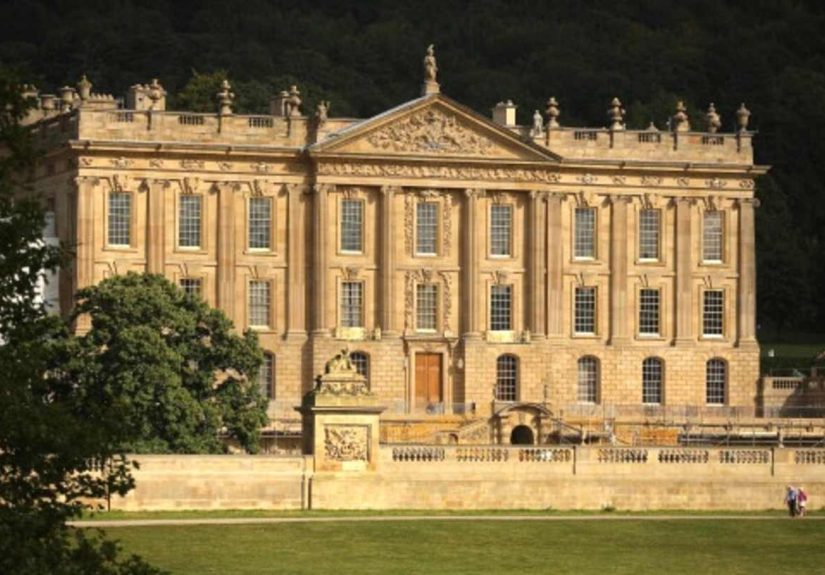
When Keira Knightley’s Elizabeth Bennet walks through the sculpture gallery in the 2005 film version of Pride & Prejudice, she’s wandering through Chatsworth House, one of England’s most famous stately homes.
The estate, seat of the Duke and Duchess of Devonshire, plays PemberleyMr. Darcy’s grand homeand its combination of formal facades, soft hills, and reflective water features feels exactly like the “large, handsome stone building” Austen described.
Why fans love it
Chatsworth gives you both grandeur and romance. You can stand where Elizabeth first sees the house across the water, stroll past the fountain, explore richly decorated interiors, and tour the sculpture gallery that inspired countless swoons.
Even without the movie connection, it’s frequently ranked among Britain’s top stately homes, but for Austen fans it’s practically sacred ground.
What to see when you visit
- The main house, including grand staircases and painted ceilings used on screen.
- The sculpture gallery, where visitors still look for “Mr. Darcy’s bust,” even though the prop itself was made for the movie.
- The formal gardens and long reflecting pools that make the approach shot so unforgettable.
Give yourself at least half a day here. If you’re traveling with non–Austen fans, reassure them there are vast gardens, art collections, farm shops, and walking trails to keep everyone happy while you quietly whisper, “To be mistress of Pemberley might be something.”
2. Lyme Park, Cheshire – Pemberley in the 1995 BBC Pride and Prejudice
For many viewers, the definitive Pemberley is not the 2005 film but the 1995 BBC series starring Colin Firth and Jennifer Ehle.
The exterior of Pemberley in that adaptation is Lyme Park, an estate in Cheshire with a house fronted by lawns, lake, and woodsthe very place where Darcy takes his now-legendary swim before running into a very surprised Elizabeth.
The iconic Darcy moment
Standing by the water at Lyme Park, it’s impossible not to picture Darcy emerging in his damp shirt (even though the statue added for a later TV parody has since moved on).
Fans often recreate the carriage approach, walking the path where Elizabeth first catches sight of the house and where the series cements Pemberley as a character in its own right.
Visitor tips
- Explore both the house and the extensive parkland; the grounds are beautiful even if you’re traveling with someone who’s never heard of Mr. Darcy.
- Check for seasonal events or special tours that highlight the property’s film history.
- Wear comfortable shoesthis is very much “let’s go for a long thoughtful walk about our feelings” territory.
3. Lacock Village, Wiltshire – Meryton and More
If your dream is to stroll through a perfect English village that looks like time stopped around 1800, Lacock is for you.
This National Trust–owned village has been used for multiple period dramas, including the 1995 BBC Pride and Prejudice, where its streets become Meryton, the town where the Bennet sisters encounter officers, gossip, and scandal.
Why Lacock works so well on screen
Lacock has stone cottages, timber-framed houses, and a photogenic high street free of modern signage.
Because the entire village is preserved, filmmakers can re-dress doors and windows and instantly get a convincing Regency setting.
You may also recognize Lacock from other productions, including Harry Potter, but Austen fans will be busy scanning for Lydia and Wickham.
What to do in Lacock
- Wander the high street and side lanes spotting familiar angles from the BBC series.
- Visit Lacock Abbey, a separate but nearby filming location with monastic cloisters and historic rooms.
- Pop into local cafés and pubsmany embrace the village’s film heritage without feeling like a theme park.
4. Bath – Persuasion, Emma, and the Real-Life Society Circuit
Bath is both a key setting in Jane Austen’s novels and a major filming hub for adaptations.
Its Georgian crescents and sweeping terraces provide ready-made backdrops for scenes in multiple versions of Persuasion and Emma, as well as films loosely inspired by Austen’s world.
Filming hot spots in Bath
- The Royal Crescent: The sweeping curve of honey-colored townhouses appears in several period films, including modern Persuasion adaptations.
- Bath Street and Hot Bath Street: These colonnaded streets capture the feel of fashionable promenades where characters stroll, gossip, and judge one another’s bonnets.
- The Pump Room and Roman Baths area: Elegant interiors and historic spa buildings stand in for the social heart of Regency Bath.
- Assembly Rooms: Historically used for balls and concerts, the Assembly Rooms have been used on screen for dances and society scenes in Austen-inspired productions.
Bath is also home to a Jane Austen Centre and frequent Austen-themed events, from costumed walking tours to full-on festivals with bonnets, gloves, and country dances.
You can easily spend a full day or weekend there pairing film spots with real historical sites and, of course, plenty of tea.
5. Wilton House, Wiltshire – Ballrooms, Drawing Rooms, and Pemberley Interiors
Wilton House has one of the busiest acting careers of any country house in England.
Its ornate rooms appear in several Jane Austen adaptations, including Sense and Sensibility (1995), Pride & Prejudice (2005), and the 2020 film Emma.
For Austen fans, the most famous space is the Double Cube Room, a gilded, portrait-lined hall that doubles as interiors for Pemberley in the 2005 movie.
On-screen moments you might recognize
In Pride & Prejudice (2005), Elizabeth walks through richly decorated rooms at Pemberleyseveral of those interiors come from Wilton.
In Sense and Sensibility, Wilton’s spaces help stage ball scenes and London interiors where Marianne and Elinor navigate music, heartbreak, and strict social rules.
In Emma (2020), Wilton returns as Donwell Abbey, Mr. Knightley’s home.
Visiting Wilton House
Wilton is still a family home but opens to the public seasonally.
When visiting, look for information panels about filming, then step out into the landscaped grounds for classic English garden views.
It’s the kind of place where you half-expect someone to burst into a country dance on the lawn.
6. Saltram House, Devon – Norland Park in Sense and Sensibility (1995)
At the beginning of Ang Lee’s 1995 Sense and Sensibility, the Dashwood family loses their beloved home, Norland Park.
Those early, sunlit scenes were filmed at Saltram House, a Georgian mansion near Plymouth in Devon.
With pale stone, sweeping stairs, and parkland rolling down toward the water, it perfectly conveys both comfort and the looming sense of change.
What you’ll find at Saltram
- Ornate interiors packed with paintings, fine furniture, and decorative details.
- Extensive gardens and riverside walks that feel ready-made for pensive strolls and sisterly heart-to-hearts.
- National Trust visitor facilities such as a café and gift shopideal for a post-tour scone.
If you love the beginning of the film, standing in Saltram’s entrance and imagining the Dashwoods’ departure adds an extra emotional punch to your visit.
7. Mompesson House, Salisbury – Mrs. Jennings’ London Townhouse
In the same 1995 film of Sense and Sensibility, Mompesson House in Salisbury plays Mrs. Jennings’ Chelsea townhouse.
On screen, it’s where Marianne, Elinor, and company stay while navigating London’s more ruthless social scene.
In real life, it’s an elegant Queen Anne townhouse on Cathedral Close, with a peaceful walled garden that feels miles away from city noiseeven though you’re right beside Salisbury Cathedral.
Highlights for visitors
- Period rooms with a lived-in feel that makes it easy to picture characters lounging, letter-writing, and eavesdropping.
- A charming garden, perfect for a quick escape when the emotional drama of the movie inevitably comes back to mind.
- Occasional exhibits that reference the house’s role in film and television.
Fans often describe this as one of the most intimate Austen-related filming locations: instead of a huge estate, you get a house that feels human-scaled and immediately inhabitable.
8. Groombridge Place, Kent – Longbourn in Pride & Prejudice (2005)
In the 2005 film, the Bennet family home, Longbourn, is warm, slightly chaotic, and surrounded by gardens, chickens, and general delightful mayhem.
That atmosphere owes a lot to Groombridge Place, a moated manor in Kent whose mellow brick and rambling grounds created the perfect backdrop for the Bennet sisters’ daily life.
Why it feels like “real” Longbourn
Groombridge Place isn’t overly polished; it has the slightly worn, organic charm the filmmakers wanted to contrast with the grand formality of Netherfield and Pemberley.
When you walk through its grounds, you can imagine Lizzy striding out with muddy hems, Mrs. Bennet peering from a window, and Mr. Bennet hiding in his library in self-defense.
What you can do there
- Explore the formal gardens and wilder wooded areas around the estate.
- Look out over the moat and picture the Bennet sisters racing around with letters and ribbons flying.
- Check ahead for opening days and any special eventshours can vary by season.
Planning Your Own Jane Austen Movie Location Trip
Seeing one of these locations is fun. Stringing several together into a trip is unforgettable.
With a bit of planning, you can build a loop that takes you from Bath’s streets to Derbyshire’s hills, stopping at key houses and villages along the way.
Sample route idea
- Start in Bath for city scenes and Austen atmosphere.
- Head east to Wilton House and Mompesson House near Salisbury.
- Drive up to Lacock Village and then on to Groombridge Place.
- Continue north to Saltram House (if you’re including Devon) or up to Lyme Park and Chatsworth House for your Pemberley finale.
Always check opening times, ticketing, and any special event schedules before you travelcountry houses often have seasonal hours or close on certain days.
Booking ahead is especially wise in summer or during school holidays.
Walking in Austen’s Footsteps: What the Experience Is Really Like
So what does it actually feel like to visit these Jane Austen movie locations in person?
The short answer: a bit like stepping through your TV screen, but with more sheep, fewer orchestral swells, and a lot more opportunities for coffee.
The longer answer is that each site gives you a slightly different lens on the stories you already know by heart.
At Chatsworth or Lyme Park, the first emotion is usually awe.
The houses are huge, the views are cinematic, and if you arrive early in the morning you may find low mist hovering over the lawns and pools.
It’s surprisingly easy to imagine carriages crunching up the drive or riders appearing over a distant hill.
When you climb the grand stairs or look out over the reflecting water, those familiar scenes from Pride & Prejudice feel less like fiction and more like another layer of history attached to the building.
In places like Lacock Village or Mompesson House, the experience is more intimate.
Streets are narrow, doorways are low, and you quickly realize how close people would have lived to their neighborsand to all the gossip that powers an Austen novel.
Walking past a cottage window and seeing a real family inside is a reminder that these aren’t just film sets; they’re homes and communities where everyday life continues around the tourism and movie trivia.
Bath adds a different texture again.
When you walk along the Royal Crescent or down Bath Street, you’re literally following the curve of the same stone facades that actors have used for promenades, arguments, and stolen glances.
You might catch modern detailscars, shop signs, delivery vansbut your brain quickly filters them out, especially if you visit early or late in the day.
There’s something particularly powerful about standing in the Assembly Rooms or by the Pump Room knowing that both the real Regency elite and the movie versions used these spaces for dancing, flirting, and forming opinions they will later regret.
One of the best ways to make the most of these visits is to slow down.
Instead of rushing from one photo spot to another, build in time for the kind of loitering Austen’s characters thrive on: sit on a bench overlooking the park at Lyme, linger by a window at Saltram, or take a long loop around the gardens at Groombridge.
Give yourself permission to people-watch and eavesdrop on other fans comparing adaptationsthis is where you’ll overhear debates about “best Darcy” or whether a particular film took too many liberties with the story.
Practical touches matter too.
Many of these locations have excellent cafés and tea rooms, and leaning into that is part of the fun.
After wandering Chatsworth’s sculpture gallery, sitting down with a slice of cake and a pot of tea feels exactly right.
You may not be wearing gloves or planning a ball, but you are, in essence, doing what Austen’s characters do: walking, observing, and then dissecting the day’s events over refreshments.
Finally, don’t worry if you’re traveling with someone who isn’t a hardcore Janeite.
These places work on multiple levels: architectural, historical, scenic, and cinematic.
A partner or friend who’s more interested in landscape photography than love stories will still find plenty to enjoy, from sweeping views in the Peak District to detailed plasterwork and ancient trees.
And who knowsafter a day at Pemberley or Longbourn, they may suddenly become much more enthusiastic about rewatching the adaptations with you.
Whether you hit just one estate on a short trip or plan a full-blown Jane Austen filming locations tour, visiting these sites adds a tangible, sensory layer to stories you probably already know by heart.
You’ll leave with photos, of coursebut also with a deeper sense of how Austen’s fictional world is stitched into real English places you can walk through, touch, and, just maybe, fall a little in love with.