Table of Contents >> Show >> Hide
- A quick reality check (because your liver asked me to)
- 1) Coffee (Yes, coffee. Your liver is also tired.)
- 2) Fatty fish (salmon, sardines, trout, mackerel)
- 3) Extra-virgin olive oil (EVOO)
- 4) Walnuts (and other nuts, but walnuts get the gold star)
- 5) Berries (blueberries, strawberries, cranberries)
- 6) Leafy greens (spinach, kale, arugula, romaine)
- 7) Cruciferous vegetables (broccoli, Brussels sprouts, cauliflower)
- 8) Garlic
- Putting it together: a simple “liver-friendly” day of eating
- What to limit (because liver health isn’t just about “adding” foods)
- FAQ: Quick answers people Google at 2 a.m.
- Extra: of real-world experiences (what this looks like off the internet)
- Conclusion
Your liver is basically your body’s 24/7 multitasking superhero. It helps process nutrients, supports metabolism, stores energy, and filters out stuff your body doesn’t want to keep. In other words: it’s the roommate who does the dishes, takes out the trash, and still reminds everyone to pay rent.
So when people search for “healthy foods for your liver” or “liver detox foods,” what they usually mean is: How do I eat in a way that supports liver function? Great questionbecause here’s the truth: your liver doesn’t need trendy cleanses. It already has a detox system built in. What it does need is steady, boring-in-a-good-way support: fiber, antioxidants, healthy fats, and fewer ultra-processed “mystery snacks.”
A quick reality check (because your liver asked me to)
“Detox teas” and “7-day liver flushes” get clicks, but major liver-health organizations emphasize that the liver does not require special cleanses to do its job. What helps most is a balanced, nutrient-rich eating pattern paired with healthy habits. Translation: you don’t need a cleanseyou need a grocery list.
What “liver-friendly” foods actually do
- Reduce inflammation (especially important for metabolic liver conditions like MASLD/NAFLD).
- Improve metabolic health (blood sugar, triglycerides, insulin sensitivity).
- Provide antioxidants that help protect cells from oxidative stress.
- Boost fiber to support gut health, which is closely linked to liver health.
1) Coffee (Yes, coffee. Your liver is also tired.)
Coffee is one of the most consistently studied beverages in liver health. Research has linked regular coffee intake with lower markers of liver injury and a lower risk of advanced liver disease in various populations. Scientists are still sorting out the “why,” but coffee contains compounds that may reduce inflammation and fibrosis (scarring).
How to make coffee liver-friendly
- Keep it low-sugar: the liver does not want your caramel-syrup era.
- Mind the caffeine: if caffeine makes you anxious or messes with sleep, decaf can still be a reasonable option.
- Skip “detox” add-ins: your liver is not asking for activated charcoal in your latte.
Easy example: iced coffee + a splash of milk, no sweeteners (or just cinnamon).
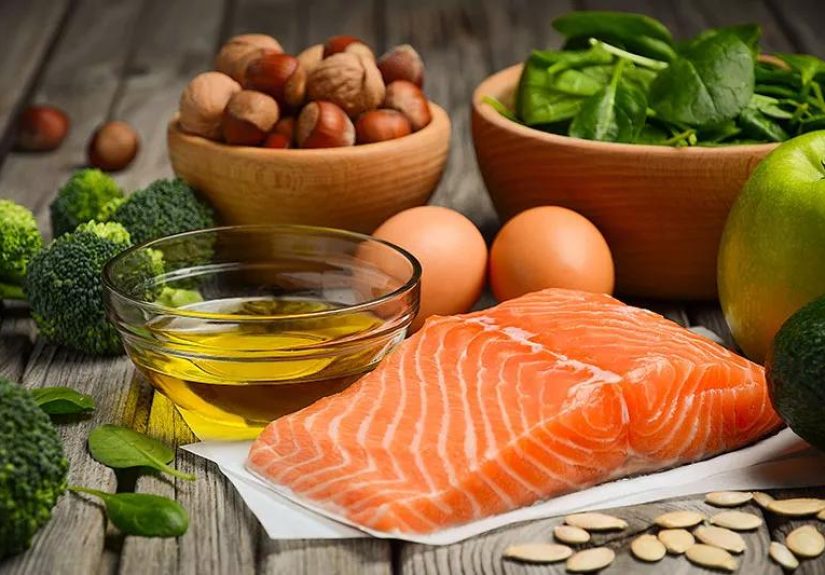
2) Fatty fish (salmon, sardines, trout, mackerel)
Fatty fish is rich in omega-3 fatty acids. Omega-3s are well-known for supporting heart health, and they’re also studied for metabolic benefits that matter for liver healthespecially for people with fatty liver conditions. Many liver-friendly eating patterns include fish as a regular protein choice.
Make it work in real life
- Goal idea: add fish a couple times per week if it fits your diet and budget.
- Cooking method matters: bake, broil, air-fry, grillavoid deep-frying when possible.
- No-fuss option: canned sardines or salmon (look for lower-sodium if needed).
Easy example: salmon bowl with brown rice, spinach, and a drizzle of olive oil + lemon.
3) Extra-virgin olive oil (EVOO)
Extra-virgin olive oil is a cornerstone of Mediterranean-style eating patterns, which are often recommended for metabolic health and fatty liver conditions. EVOO provides monounsaturated fats and antioxidant compounds that may support healthier lipid levels and inflammation balance. It’s also an easy “swap” that improves a meal without feeling like a punishment.
How to use EVOO without turning your kitchen into a slip-and-slide
- Dressings: olive oil + vinegar/lemon + herbs.
- Finisher: a small drizzle over veggies, beans, or fish after cooking.
- Swap: use olive oil instead of butter for sautéing most vegetables.
Easy example: roasted broccoli + olive oil + garlic + a squeeze of lemon.
4) Walnuts (and other nuts, but walnuts get the gold star)
Nutsespecially walnutsshow up again and again in liver-friendly diet guidance. Walnuts offer fiber, antioxidants, and a plant-based omega-3 (ALA). In Mediterranean-style patterns, nuts often replace less helpful snack choices (chips, cookies, “mystery cheese puffs” that leave orange fingerprints on your soul).
Portion tips (because nuts are small but mighty)
- Think “small handful” as a practical daily portion.
- Choose unsalted or lightly salted if you’re watching sodium.
- Pair with fruit for a fiber + healthy fat combo.
Easy example: walnuts + blueberries = snack that feels fancy but requires zero talent.
5) Berries (blueberries, strawberries, cranberries)
Berries are loaded with polyphenols and other antioxidant compounds. Researchers have studied berry compounds for their potential roles in metabolic health and oxidative stresstwo topics that matter in fatty liver conditions. While some studies examine supplements or extracts, the everyday win is simple: whole berries are a high-fiber, nutrient-dense way to satisfy a sweet tooth without turning your bloodstream into a soda commercial.
Smart ways to eat berries (that don’t involve a blender explosion)
- Frozen berries: often cheaper, last longer, and work in oatmeal or yogurt.
- Cranberries: choose unsweetened or lower-sugar options when possible (many dried versions are sugar-heavy).
- Daily add-on: toss berries on breakfast, salads, or snacks.
Easy example: Greek yogurt + mixed berries + chopped walnuts.
6) Leafy greens (spinach, kale, arugula, romaine)
Leafy greens are the low-drama friends of the food world: always there, always helpful. They’re generally high in fiber and micronutrients, and they support an overall eating pattern that’s associated with better metabolic health. For liver support, greens are especially valuable because they help meals feel bigger and more satisfying without relying on added sugars or saturated fats.
Make greens easier than you think
- Start small: add a handful of spinach to eggs, soups, pasta, or rice bowls.
- Use bagged greens: convenience is not a moral failure.
- Go “half and half”: mix romaine with spinach so salads feel less like a chore.
Easy example: turkey (or bean) wrap loaded with spinach + tomatoes + olive oil vinaigrette.
7) Cruciferous vegetables (broccoli, Brussels sprouts, cauliflower)
Cruciferous vegetables contain plant compounds that have been studied for their roles in the body’s natural detoxification pathways, antioxidant activity, and inflammation balance. Broccoli and broccoli sprouts are especially famous for compounds like glucoraphanin/sulforaphane (science words that basically mean: “plants came prepared”).
How to cook them so they taste good (and don’t smell like regret)
- Roast: high heat + olive oil + salt/pepper = caramelized edges and better flavor.
- Light steam: keeps texture and nutrients without turning everything into green mush.
- Add acid: lemon juice or vinegar helps balance the “cruciferous bite.”
Easy example: roasted Brussels sprouts + olive oil + balsamic vinegar.
8) Garlic
Garlic is more than a flavor boosterit contains bioactive compounds (like allicin and related sulfur compounds) studied for antioxidant and anti-inflammatory effects. Some clinical research has looked at garlic supplementation in people with fatty liver conditions, showing potential improvements in certain markers. But you don’t need to jump straight to supplements: using garlic regularly in cooking is a practical, food-first way to support a healthier pattern overall.
Use garlic like a pro (without turning into a vampire’s worst nightmare)
- Fresh garlic: chop or crush and let it sit briefly before cooking for maximum flavor.
- Roasted garlic: sweeter, mellow, spreads like butter’s healthier cousin.
- Garlic powder: totally fine for busy weeknights (and it doesn’t judge you).
Easy example: garlic + olive oil + sautéed spinach over whole-grain pasta.
Putting it together: a simple “liver-friendly” day of eating
The best foods for liver function don’t work like magic spells. They work like a team. Here are a few realistic, non-robotic ways to combine them.
Breakfast ideas
- Greek yogurt + berries + walnuts
- Oatmeal topped with blueberries and chopped nuts (bonus: cinnamon)
- Eggs with spinach + a side of fruit; coffee if you like it
Lunch ideas
- Big salad (greens + cruciferous veggies) with olive oil dressing and a protein
- Brown rice bowl with sautéed spinach, roasted broccoli, and salmon
- Bean-and-veggie soup with garlic + side salad
Dinner ideas
- Sheet-pan salmon + Brussels sprouts + olive oil + lemon
- Stir-fry with broccoli, garlic, greens, and tofu or chicken
- Whole-grain pasta with garlicky olive oil, spinach, and a side of roasted cauliflower
What to limit (because liver health isn’t just about “adding” foods)
Supporting liver health also means reducing the things that make your liver work overtime. You don’t have to be perfectjust consistent.
Common liver-unfriendly patterns
- Heavy alcohol intake: alcohol can directly damage liver cells. If you have liver disease or suspect it, talk with a healthcare professional about what’s safe for you.
- High added sugar intake: frequent sugary drinks and desserts can worsen metabolic health and contribute to fat buildup in the liver.
- Ultra-processed foods: often high in refined carbs, saturated fats, and sodium.
- Overusing certain medications/supplements: always follow label directions and a clinician’s advice, especially if you already have liver concerns.
FAQ: Quick answers people Google at 2 a.m.
Do “liver detox foods” really detox your liver?
Your liver already detoxes your bodyno cleanse required. Foods don’t “flush toxins” like a drain cleaner. What they can do is support the liver’s normal processes by improving metabolic health, reducing inflammation, and providing antioxidants and fiber.
What’s the best diet for fatty liver (MASLD/NAFLD)?
Many reputable medical sources highlight Mediterranean-style eating patterns: more vegetables, fruits, whole grains, nuts, olive oil, and fish; fewer refined carbs and saturated fats. Individual needs vary, so medical advice mattersespecially if you’ve been diagnosed with liver disease.
How fast can food improve liver health?
Think in weeks and months, not days. The liver is resilient, but meaningful change usually comes from small improvements you repeatnot a single “perfect” meal.
Extra: of real-world experiences (what this looks like off the internet)
Reading a list of healthy foods for your liver is easy. Actually eating them is where real life strolls inwearing sweatpants, holding a phone, and asking, “So… are we cooking tonight or are we negotiating with a frozen pizza?” The good news is that people who successfully shift toward liver-friendly eating rarely do it with a dramatic, all-or-nothing makeover. They do it with quiet upgrades that feel almost too simple to count.
One common “aha” moment is the snack swap. Instead of trying to overhaul every meal, many people start with the time of day they’re most likely to grab something random. Walnuts and berries become a go-to because they’re fast and don’t require a recipeor emotional readiness. A small bowl of Greek yogurt with berries and nuts feels like real food, keeps you satisfied, and doesn’t trigger the “I need another snack in 12 minutes” spiral.
Another experience that shows up a lot is the coffee clean-up. Not necessarily drinking more coffeejust making it less dessert-like. People are often surprised how much added sugar sneaks in through flavored creamers and syrupy drinks. Switching to unsweetened coffee (or gradually reducing sugar) is one of those changes that can feel small but adds up over time. Some folks go the “half-sweet” route first, others swap in cinnamon, and many discover that their taste buds adapt faster than expected.
For dinners, the “secret weapon” is usually a sheet-pan routine. Roasted cruciferous vegetables (broccoli or Brussels sprouts) with olive oil and garlic sound fancy, but they’re basically: chop, toss, bake, done. People often report that once they find one or two roasted vegetable recipes they genuinely like, vegetables stop feeling like a lecture and start feeling like food. Add salmon a couple nights a week and suddenly the plate looks like a Mediterranean diet brochurein the best way.
Leafy greens tend to win through stealth mode. Instead of forcing a giant salad every day, many people fold spinach into omelets, soups, rice bowls, and pasta. It’s not dramatic, but it’s consistent. Over time, those small handfuls add up to a noticeably more plant-forward eating pattern without the “I guess I live on lettuce now” vibe.
The most consistent experience, though, is this: people do best when they treat liver-friendly eating as a pattern, not a performance. A day with berries and walnuts, roasted broccoli, olive oil dressing, garlic in a stir-fry, and fish at dinner is not “perfect.” It’s just a solid day. Stack enough solid days together, and you’re doing what your liver actually wants: steady support, less chaos, and fewer surprise ingredients that sound like they were invented in a lab for the sole purpose of making you crave them.
Conclusion
If you want to support your liver, skip the cleanse and focus on the fundamentals. These eight foodscoffee, fatty fish, extra-virgin olive oil, walnuts, berries, leafy greens, cruciferous vegetables, and garlicfit naturally into Mediterranean-style eating patterns linked to better metabolic health. The goal isn’t perfection. It’s building meals and snacks that make your liver’s job easier, one ordinary day at a time.