Table of Contents >> Show >> Hide
- 1. HPV Is Not Rare at All. It Is Shockingly Common.
- 2. HPV Is Not Just One Virus. It Is a Huge Family, and Some Relatives Are Much Worse Than Others.
- 3. HPV Is Not Only a Women's Health Issue.
- 4. The HPV Vaccine Is Really About Cancer Prevention, Not Just STI Prevention.
- 5. The Vaccine Does Not Treat an Existing HPV Infection.
- 6. There Is No One-Size-Fits-All HPV Test, and Vaccination Does Not End Screening.
- 7. Condoms Help, but They Do Not Completely Block HPV.
- Conclusion: HPV Deserves Better Than the Rumor Mill
- Common Real-Life Experiences Related to HPV
- SEO Tags
HPV has a weird reputation problem. It is incredibly common, medically important, and somehow still surrounded by confusion, half-truths, and that classic internet disease known as “I read one post and now I am a scientist.” If you have ever thought HPV only matters if someone has genital warts, only affects women, or disappears from the conversation once you get vaccinated, it is time for a reset.
Human papillomavirus, better known as HPV, is not just a footnote in health class. It is tied to several cancers, often causes no symptoms at all, and can shape real-life decisions about vaccines, screening, dating, parenting, and preventive care. The good news is that HPV is also one of the clearest examples of modern medicine doing something genuinely impressive: preventing cancer before it starts.
Here are seven things many people still do not know about HPV, plus a deeper look at what HPV-related experiences often feel like in real life.
1. HPV Is Not Rare at All. It Is Shockingly Common.
If HPV had a publicist, that person would be overworked. One of the biggest misconceptions about HPV is that it is unusual or something that happens only to people with a long list of sexual partners. In reality, HPV is one of the most common sexually transmitted infections. Many people who are sexually active will encounter it at some point, often without ever knowing it.
That last part matters. HPV usually does not arrive with a marching band. Most infections cause no symptoms, which means people can carry and pass the virus without having any clue it is there. No dramatic warning signs. No cartoon villain soundtrack. Just a very common virus behaving like it owns the place.
This is why HPV can spread so easily. It does not require the kind of obvious symptoms that would make someone say, “Something is definitely off.” In many cases, the body clears the infection on its own. But because HPV is so widespread, the sheer number of infections still creates a major public health burden.
Why this matters
When people think a virus is rare, they are more likely to dismiss prevention. But HPV prevention is not niche medicine. It is mainstream health care. That is one reason doctors emphasize vaccination early and screening on schedule.
2. HPV Is Not Just One Virus. It Is a Huge Family, and Some Relatives Are Much Worse Than Others.
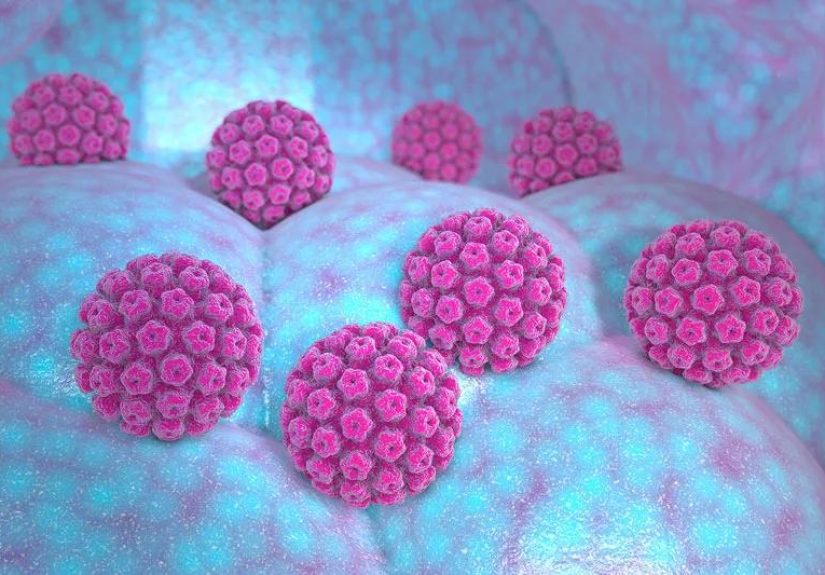
Another thing people often miss is that HPV is not a single virus with one predictable outcome. It is a large group of related viruses. Some types are considered low risk and may cause warts. Others are high risk because they can lead to cell changes that may eventually become cancer.
That distinction is crucial. When someone says they have HPV, that does not automatically mean cancer is around the corner. It also does not mean the infection is harmless. HPV is a spectrum story. Some types are annoying. Some are medically serious. Some come and go quietly. Some hang around long enough to cause trouble years later.
This is part of what makes HPV confusing to the average reader. The name sounds singular, but the biology is not. It is like saying “dog” when what you really mean is everything from a Chihuahua to a Great Dane. Same broad category, wildly different consequences.
High-risk HPV types are linked to cancers of the cervix, anus, penis, vulva, vagina, and the back of the throat. That means HPV is not just a “cervical cancer virus,” even though cervical cancer is the diagnosis many people associate with it first.
The takeaway
Not every HPV infection becomes dangerous, but the dangerous types are serious enough that prevention and follow-up matter a lot.
3. HPV Is Not Only a Women’s Health Issue.
HPV has long been marketed, discussed, and misunderstood as if it were mainly about women. That is outdated. Men can get HPV. Men can spread HPV. Men can also develop HPV-related cancers, including cancers of the anus, penis, and oropharynx, which includes the tonsils and base of the tongue.
In fact, one of the quieter but more important shifts in public health messaging has been the recognition that HPV affects everyone, not just people with a cervix. Boys benefit from vaccination. Adult men need accurate information. Partners of all genders need to understand that HPV is not somebody else’s problem.
This matters in practical ways too. Some people still think the HPV vaccine is only for girls, or that HPV testing is something women deal with and everyone else can ignore. That leaves major gaps in prevention. It also fuels stigma, because women often end up carrying the emotional burden for a virus that is shared across genders.
HPV is also linked to certain throat cancers, and that surprises many people. The phrase “HPV-related cancer” does not only belong in a gynecology office. It belongs in primary care, pediatrics, oncology, and public health conversations for the whole family.
Bottom line
HPV is a people issue, not a women-only issue. Once you understand that, vaccine and prevention decisions start making a lot more sense.
4. The HPV Vaccine Is Really About Cancer Prevention, Not Just STI Prevention.
People often hear “HPV vaccine” and mentally file it under “sex talk I would rather postpone until next year.” But the smarter frame is much simpler: this is a cancer-prevention vaccine.
That is the headline. Yes, HPV is sexually transmitted. Yes, conversations about it can make parents awkward, teens suspicious, and adults suddenly fascinated by the ceiling tiles in the exam room. But medically, the point is prevention of future disease, especially cancer.
The vaccine works best before exposure to the virus, which is why it is routinely recommended around ages 11 to 12 and can start as early as age 9. This is not because public health experts are trying to ruin brunch. It is because the immune response is strong at that age and because prevention works best before infection ever happens.
Catch-up vaccination is recommended through age 26 for people who were not adequately vaccinated earlier. Some adults ages 27 through 45 may also benefit after a conversation with a clinician, depending on personal risk and prior exposure. That does not mean everyone in that age group will get the same value, but it does mean the door is not always closed.
In the United States, the vaccine in use is Gardasil 9, which targets the HPV types linked to most HPV-related cancers and genital warts. That makes it one of the most practical preventive tools in modern medicine.
A useful mindset shift
If you stop thinking of the HPV vaccine as a moral debate and start thinking of it as a cancer shield, the conversation gets much clearer, much faster.
5. The Vaccine Does Not Treat an Existing HPV Infection.
This is one of the most important facts people miss. The HPV vaccine prevents new infections. It does not cure an infection you already have, remove HPV from the body, or erase existing cell changes.
That does not make the vaccine less useful. It just means it has a specific job description. Think of it as a highly effective security system, not a cleanup crew. If someone has already been exposed to one HPV type, vaccination may still help protect against other types covered by the vaccine. But it is not treatment for a current infection.
This misunderstanding causes a lot of confusion. Someone tests positive for HPV and assumes it is “too late” for vaccination. Someone else gets vaccinated and assumes they no longer need any follow-up after an abnormal screening result. Both ideas miss how prevention and treatment actually work.
HPV-related care often involves several lanes at once: prevention through vaccination, screening to catch abnormal changes early, and treatment when warts or precancerous lesions need medical attention. One tool does not replace the others.
Practical truth
Vaccination is powerful, but it is not retroactive magic. It is protection moving forward.
6. There Is No One-Size-Fits-All HPV Test, and Vaccination Does Not End Screening.
A lot of people assume there must be a simple universal HPV test for everyone. There is not. HPV testing is mainly used in cervical cancer screening. In other words, screening is much more established for people with a cervix than it is for HPV infections in other parts of the body.
There is no routine, approved screening test that tells all men whether they have HPV. There is also no broadly used screening program for oral HPV in the general population. That gap is one reason prevention matters so much.
Just as important: getting vaccinated does not mean you can retire from screening if you have a cervix. Pap tests and HPV tests are still part of preventive care because the vaccine does not treat existing infections and does not cover every single high-risk HPV type. Vaccination lowers risk, but screening is still the safety net.
That can feel unfair. People like clean endings. They want the shot to be the end of the story. But good preventive medicine is often more of a tag team than a solo act. Vaccine plus screening is stronger than either one alone.
What this means in plain English
If you have a cervix, follow cervical cancer screening guidelines even if you have been vaccinated. If you do not have a cervix, that does not mean HPV is irrelevant; it means prevention and symptom awareness become even more important.
7. Condoms Help, but They Do Not Completely Block HPV.
This is another truth people often find surprising. Condoms reduce the risk of HPV transmission, and they are absolutely worth using. But they do not provide perfect protection against HPV because HPV can infect skin that is not covered by a condom.
That does not mean condoms are useless. Far from it. They reduce risk and help protect against many infections. The point is simply that HPV spreads through intimate skin-to-skin contact, not only through exposure to bodily fluids. So the rules are a little less neat than people assume.
This is one reason HPV can feel so frustrating. People can make responsible choices and still encounter it. That reality should reduce stigma, not increase it. HPV is not evidence that someone was reckless. Often, it is evidence that they are human.
Risk reduction usually works best as a stack: vaccination, condoms, limiting exposure where possible, regular screening when appropriate, and following up on symptoms or abnormal test results. No single strategy does all the work.
The real lesson
HPV prevention is about lowering risk, not creating an imaginary force field. That is how most public health works, even if the brochure photos look suspiciously confident.
Conclusion: HPV Deserves Better Than the Rumor Mill
HPV is common, often silent, and far more medically significant than most people realize. It is not one virus, not only a women’s issue, and not something vaccination magically turns into ancient history. At the same time, HPV is not a reason to panic. It is a reason to get informed.
The big picture is actually encouraging. We know a great deal about how HPV spreads. We know which infections are most likely to become dangerous. We have vaccines that can prevent many HPV-related cancers. We have screening tools that can catch cervical changes early. And we are getting better at explaining that prevention is about practical steps, not shame.
If there is one message worth remembering, it is this: HPV is common, but so are the tools to reduce its harm. That is a much better headline than fear.
Common Real-Life Experiences Related to HPV
For many people, the HPV experience starts not with symptoms, but with surprise. A perfectly ordinary checkup turns into an abnormal Pap result. A parent goes to a routine well visit and hears the pediatrician recommend the HPV vaccine, only to realize they do not fully understand what it prevents. A young adult learns that HPV is common and suddenly rewrites everything they thought they knew about “who gets it.” The emotional tone is often the same: confusion first, then a late-arriving wave of questions.
One of the most common experiences is unnecessary shame. Someone hears “HPV” and assumes it reflects bad judgment, promiscuity, or a relationship problem. In reality, HPV is so common that it often says very little about a person’s character and a great deal more about how widespread the virus is. Many people are exposed without ever knowing when it happened. That is why education matters so much. Accurate information can calm panic faster than reassurance alone.
Another common experience is the mental whiplash of hearing, “Most HPV infections clear on their own,” followed by, “But we need to monitor this.” To patients, that can sound contradictory. In real life, it simply means medicine is balancing reassurance with caution. Most cases do resolve, but the ones that persist are the reason follow-up exists. That gray area can be emotionally exhausting, especially for people who prefer black-and-white answers.
Parents often have their own version of the HPV experience. They may initially see the vaccine as something that can wait because their child is young, healthy, and nowhere near adulthood. Then they learn the vaccine works best before exposure and that the goal is cancer prevention, not an awkward vote on future behavior. That shift can be powerful. What starts as hesitation often turns into relief once the recommendation makes sense.
People who are vaccinated sometimes experience a different kind of misunderstanding: they assume they are done thinking about HPV forever. Then they learn that cervical screening still matters, and they feel frustrated, as if the rules changed halfway through the game. But prevention is often layered. In real life, the most successful outcomes usually come from combining vaccine protection with routine screening and follow-up care.
There is also the quiet experience many men have with HPV: not knowing how much it applies to them. Because public messaging focused for years on cervical cancer, some men grew up assuming HPV was not really their issue. Then they hear about HPV-related throat cancer or anal cancer and realize they were standing in the same weather system the whole time, just with less warning.
In relationships, HPV can trigger difficult conversations about trust, timing, and uncertainty. But one of the healthiest real-life takeaways is that HPV does not behave like a neat detective story. A positive test usually does not reveal when the infection started or from whom it came. For many couples, understanding that fact helps replace blame with perspective.
In the end, the most common experience related to HPV may simply be this: people feel better once the mystery fades. Clear information does not make HPV fun, but it makes it manageable. And manageable is a very underrated medical outcome.