Table of Contents >> Show >> Hide
- Quick Picks: The 7 Best Compression Gloves (and Who They’re For)
- What Compression Gloves Are Supposed to Do (In Plain English)
- Reality Check: What the Research Actually Says
- How to Choose Compression Gloves Without Overthinking It
- The 7 Best Compression Gloves (Detailed Reviews)
- 1) Dr. Arthritis Compression Gloves (Best Overall)
- 2) IMAK Arthritis Gloves (Best for Arthritis-Friendly Design)
- 3) IMAK Computer Gloves (Best for Typing and Desk Work)
- 4) Dr. Arthritis Full Fingered Compression Gloves (Best for Finger and Thumb Joints)
- 5) Thermoskin Premium Arthritic Gloves (Best Thermal Heat + Compression)
- 6) ComfyBrace Arthritis Hand Compression Gloves (Best Budget-Friendly Pick)
- 7) Ironclad Immortals PC Gaming Gloves (Best for Gaming Grip and Long Sessions)
- How to Use Compression Gloves (So They Help Instead of Annoy You)
- on Real-World Experiences With Compression Gloves (What People Commonly Notice)
- Conclusion: The Best Compression Gloves Are the Ones You’ll Actually Wear
Hands are incredible. They build LEGO towers, open pickle jars (sometimes), send 900 texts a day, and somehow still expect to feel fresh after a long day of typing,
crafting, gaming, gardening, or wrestling with a stubborn zipper. When your hands start feeling stiff, achy, swollen, or just plain annoyed, compression gloves can be a
surprisingly simple tool to trykind of like giving your hands a gentle, supportive hug that doesn’t ask follow-up questions.
This guide rounds up 7 of the best compression gloves based on reputable medical and health reporting, product specs, and what people consistently look for:
comfort, usable compression, breathable materials, and designs that don’t turn everyday tasks into a slapstick comedy routine. We’ll also talk honestly about what compression
gloves can do (comfort and warmth for many), what they probably won’t do (miracles), and how to choose a pair you’ll actually wear.
Medical note: Compression gloves may help with comfort and function for some people, but they’re not a cure for arthritis, carpal tunnel syndrome, neuropathy, or other conditions. If you have severe pain, persistent numbness/tingling, color changes in your fingers, or symptoms that worsen with glove use, talk with a clinician.
Quick Picks: The 7 Best Compression Gloves (and Who They’re For)
- Dr. Arthritis Compression Gloves Best overall for everyday wear, light-to-moderate compression, and simple “put them on and live your life” comfort.
- IMAK Arthritis Gloves Best for arthritis-focused comfort, especially if you want an easy-on design with breathable fabric.
- IMAK Computer Gloves Best for typing-heavy days and desk work when you want support plus a design made for computer use.
- Dr. Arthritis Full Fingered Compression Gloves Best if your fingertips and finger joints (not just your knuckles) complain the loudest.
- Thermoskin Premium Arthritic Gloves Best for warmth + compression when chilly weather makes your hands feel like grumpy popsicles.
- ComfyBrace Arthritis Hand Compression Gloves Best budget-friendly choice for people who want solid compression without paying “luxury glove” prices.
- Ironclad Immortals PC Gaming Gloves Best for gaming grip and long sessions, especially if cramping and sweaty hands are part of your controller story arc.
What Compression Gloves Are Supposed to Do (In Plain English)
Compression gloves apply gentle, consistent pressure around parts of your hand (and sometimes wrist). That pressure is intended to support circulation, manage swelling,
and provide a stabilizing “held-together” feeling around irritated joints and soft tissues. Many designs also trap a bit of warmth, which can make stiff joints feel
looser and more cooperativelike your hands just got invited into a warm hoodie pocket.
Compression gloves are often discussed for hand discomfort related to:
- Hand arthritis (osteoarthritis or inflammatory arthritis)
- Overuse/strain from typing, crafting, or repetitive tasks
- Carpal tunnel symptoms (though wrist positioning matters more than hand squeeze alone)
- Swelling (edema) or “puffy” hands in some situations
Reality Check: What the Research Actually Says
Here’s the honest version: evidence on arthritis/compression gloves is mixed. Some studies and reviews suggest people may feel less pain or stiffness
(often linked to warmth and comfort), while other higher-quality research has found no clinically important improvement for outcomes like pain, function,
and stiffness in rheumatoid arthritisplus questions about cost-effectiveness.
That doesn’t mean compression gloves are “fake.” It means they work best as a comfort toolsomething that may help you feel better during tasks or overnight,
especially if warmth and gentle support reduce your symptoms. Plenty of people report that they like how gloves feel, while others notice little difference compared to
regular gloves. Your hands get to vote.
How to Choose Compression Gloves Without Overthinking It
1) Pick the coverage that matches your problem
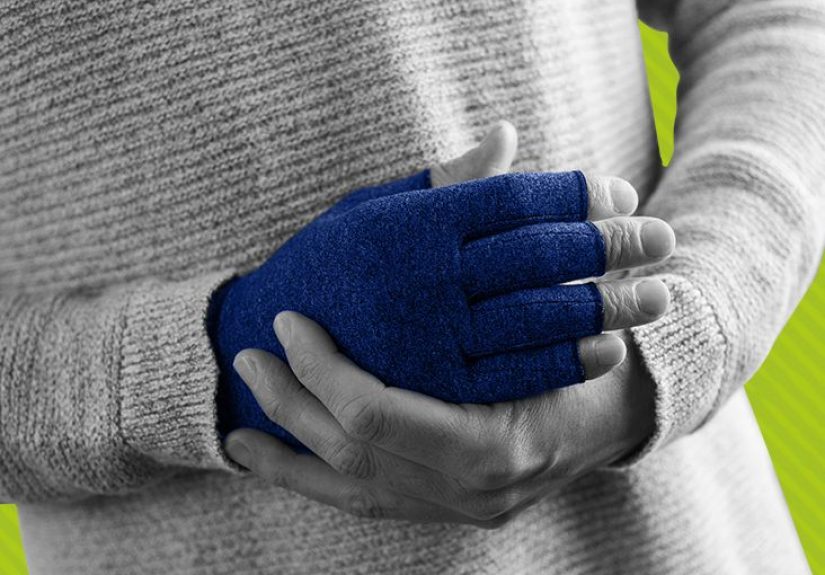
- Fingerless gloves are popular for daily tasks (phone, buttons, cooking, and life). Great when you want compression around the palm/knuckles without sacrificing fingertip dexterity.
- Full-finger gloves are better if pain or swelling is in the fingertip joints, or if you want more warmth.
- Wrist support designs matter more for carpal tunnel-type symptoms, where wrist positioning can be a big deal.
2) Fit is everything (too loose = pointless, too tight = nope)
Compression gloves should feel snug but not like they’re trying to cut your hand’s Wi-Fi connection. If you notice numbness, tingling, discoloration,
throbbing, or worsening pain, the gloves are likely too tightor simply not the right tool for your situation.
3) Materials affect comfort more than most people expect
- Cotton blends often feel softer and breathe well.
- Nylon/spandex blends can give a more “compressive” feel.
- Thermal fabrics emphasize warmth (useful in cold weather or morning stiffness).
4) Beware “miracle” claimsespecially about copper
Copper-infused gloves are everywhere. Copper can be antimicrobial, but strong claims about copper-infused compression fabric curing pain and inflammation have faced regulatory scrutiny in the past.
In other words: if the ad copy sounds like it was written by a wizard selling enchanted gauntlets, take a breath and focus on fit, comfort, and usability.
The 7 Best Compression Gloves (Detailed Reviews)
1) Dr. Arthritis Compression Gloves (Best Overall)
Best for: Everyday hand stiffness, mild swelling, general comfort during work and sleep.
If you want a straightforward pair that covers the basicsbreathable fabric, consistent compression, and a design that doesn’t feel complicatedDr. Arthritis is a strong all-around choice.
People commonly use these for day-to-day tasks: typing, cooking, folding laundry, and all the other thrilling activities that require hands to behave.
Why it stands out: A practical balance of comfort and compression that works for a wide range of users, plus easy sizing options.
Watch-outs: Like many daily-wear gloves, durability can be an issue if you wear them constantly and wash them frequently. Consider having two pairs so one can rest while the other works.
2) IMAK Arthritis Gloves (Best for Arthritis-Friendly Design)
Best for: Arthritis-related hand ache and stiffness, especially if you want breathable fabric and an easy-on feel.
IMAK gloves are widely recognized in arthritis product roundups, and they’re known for a design that’s meant to be comfortable enough for extended wear.
They’re typically fingerless (great for daily tasks) and made from a soft, breathable blend that aims to provide mild compression and warmth.
Why it stands out: The design has earned recognition for ease of use, and the longer cuff style can make them easier to pull on and offimportant if your hands are already irritated.
Watch-outs: Some users report stitching wear over time. If you plan to wear them daily, treat them like athletic socks: useful, washable, and occasionally replaceable.
3) IMAK Computer Gloves (Best for Typing and Desk Work)
Best for: Heavy typing, mouse use, and desk work when you want support designed for computer activity.
Carpal tunnel symptoms are complicated, and compression alone doesn’t “fix” nerve compression. That said, some people feel better with a glove that supports the hand and
encourages a more comfortable working position. IMAK Computer Gloves are built with desk use in mind, including features intended to reduce pressure and improve comfort while typing.
Why it stands out: A task-specific glove for people who live at a keyboardstudents, office workers, gamers, artists, and anyone whose hands have learned the shape of a laptop.
Watch-outs: If you need strong wrist immobilization, you may benefit more from a wrist brace or splint recommended by a clinician.
4) Dr. Arthritis Full Fingered Compression Gloves (Best for Finger and Thumb Joints)
Best for: Finger joint soreness, fingertip swelling, and people who want warmth in the full hand.
Many compression gloves stop mid-finger, which is great for dexteritybut not ideal if the pain lives in your fingertip joints. Full-finger gloves can be helpful when
you want compression and warmth across the whole finger length, including the thumb.
Why it stands out: Extra coverage where many fingerless gloves don’t reach, plus added warmth that some people find calming for stiff hands.
Watch-outs: Full-finger gloves may interfere with phone screens and fine tasks. Also, seams can irritate if the fit is offso sizing matters a lot here.
5) Thermoskin Premium Arthritic Gloves (Best Thermal Heat + Compression)
Best for: Morning stiffness, cold weather flare-ups, and anyone who feels better when their hands stay warm.
Heat and gentle compression often go together because warmth can relax tissues and make stiff joints feel more flexible. Thermoskin gloves are designed to capture and redistribute
body heat while providing compression support. Some designs also include wrist features that add a bit of stability.
Why it stands out: If your hands ache more in winter or first thing in the morning, a warmth-forward glove can be the difference between “I can open this jar”
and “I will live on yogurt forever.”
Watch-outs: These aren’t winter outdoor gloves, and they may feel too warm if you run hot or live in a warm climate.
6) ComfyBrace Arthritis Hand Compression Gloves (Best Budget-Friendly Pick)
Best for: People who want noticeable compression and comfort without spending much, especially for typing and household tasks.
ComfyBrace is often highlighted as a value pick: accessible price, simple design, and a compression feel that many users describe as “just right” for daily activities.
They’re commonly used for work, chores, crafting, and sleepbasically for all the moments your hands would like to file a complaint with management.
Why it stands out: Great entry point if you’re trying compression gloves for the first time and want to see whether your hands like the idea.
Watch-outs: Lower-cost gloves can wear out sooner. If you love them, buying a second pair early can save you from the “laundry day with sad hands” problem.
7) Ironclad Immortals PC Gaming Gloves (Best for Gaming Grip and Long Sessions)
Best for: Gaming comfort, grip support, and reducing cramping during long sessions.
Not all “compression gloves” are the classic soft fabric arthritis style. Gaming gloves like Ironclad Immortals focus on grip, padding, and comfort during repetitive hand use.
They’re fingerless and designed to help you keep control (literally) while reducing the fatigue that can creep in after long keyboard/controller sessions.
Why it stands out: If your main issue is cramping and fatigue from repetitive gaming movements, a glove built for that job can feel more natural than a bulky medical-style option.
Watch-outs: These may provide less “true compression” than arthritis gloves. If swelling and joint stiffness are your primary concerns, one of the fabric compression gloves above may fit better.
How to Use Compression Gloves (So They Help Instead of Annoy You)
- Start small: Wear them for a couple of hours first, then increase if they feel good.
- Don’t go 24/7: Give your skin breaks. Many sources suggest limiting continuous wear and not pushing beyond an all-day marathon without removing them.
- Keep hands clean and dry: Moisture trapped under gloves can irritate skin over time.
- Night wear can be helpful for some: Many people like gloves overnight for morning stiffnesstest during the day first to confirm the fit is safe and comfortable.
- Stop if symptoms worsen: Numbness, tingling, increased swelling, discoloration, or pain are signs to remove the gloves and consider medical advice.
on Real-World Experiences With Compression Gloves (What People Commonly Notice)
Compression gloves tend to inspire very practical, very honest reactionsbecause your hands don’t care about marketing. They care about comfort. One of the most common
“wins” people report is the warmth factor. Even mild warmth can make stiff hands feel less cranky, especially first thing in the morning or after a day of repetitive use.
That warmth can feel like your joints are moving through slightly softer gears. Some people describe it as a subtle improvementnothing dramatic, but enough to make opening a bottle cap,
gripping a steering wheel (briefly), or typing a long email feel less irritating.
The second big theme is the supported feeling. For some users, gentle pressure feels stabilizing around sore knuckles and the base of the fingers.
It’s not that the glove “fixes” a joint problem; it’s that it reduces the sensation of wobbliness or tenderness while doing tasks like cooking, crocheting, holding a phone, or washing dishes.
People who like compression gloves often end up using them in predictable moments: during chores, on cold days, while traveling, or at night when morning stiffness is a recurring issue.
But the flip side is just as common: some people feel little to no difference. When gloves don’t help, the reasons are usually boring (and therefore important).
The fit may be wrong (too loose to compress, too tight and irritating), the seams may rub, or the fabric may trap heat in an uncomfortable way. Full-finger gloves can also annoy people who
want to use touchscreens or do fine motor tasks. Fingerless gloves solve the dexterity problem but may leave fingertip joints uncovered, which is a deal-breaker if the pain is in the last joints
of the fingers.
Another frequent experience is trial-and-error with timing. Many users don’t love gloves for “all day, every day.” Instead, they treat them like a tool:
wear them for a few hours during high-use activities, then take them off. Night wear is popular, but it only works when the gloves are truly comfortableno bunching at the wrist,
no tight banding, and no waking up with tingling fingers. People also commonly keep more than one pair because gloves need washing, and nothing ruins a good routine faster than realizing your
“helpful gloves” are currently trapped in the laundry basket ecosystem.
Finally, experiences differ by condition. If someone has symptoms consistent with carpal tunnel syndrome, they may find that a glove alone doesn’t cut itespecially if wrist position is the real issue.
In those cases, a wrist brace recommended by a professional can matter more than hand compression. For arthritis, comfort may still vary widely: some people love the warmth and mild pressure,
while others notice that the glove doesn’t change pain levels much at all. The most realistic “success story” is when gloves become a small, reliable comfort habitone that makes your hands feel
just good enough to keep doing the things you care about.
Conclusion: The Best Compression Gloves Are the Ones You’ll Actually Wear
If you take one thing from this list, let it be this: the “best” compression gloves aren’t the ones with the loudest claims. They’re the ones that fit correctly, feel comfortable,
and match your real lifetyping, cooking, gaming, crafting, or just getting through a cold morning without your fingers staging a protest.
Start with a glove that fits your main goal (arthritis comfort, desk work, full-finger coverage, warmth, budget, or gaming grip). Wear them in short tests first. If they help, greatuse them as part of a bigger comfort strategy that can include heat, joint-friendly tools, pacing, and professional guidance when needed. If they don’t help, you didn’t fail. Your hands simply voted “no” on that particular fabric hug.