Table of Contents >> Show >> Hide
- Quick Take: What Usually Helps Back Pain (Without Overthinking It)
- How We Chose These 6 Mattresses
- The 6 Best Mattresses for Back Pain
- 1) Saatva Classic Best Overall for Most Back Pain
- 2) Helix Midnight Luxe Best for Side Sleepers with Back Pain
- 3) Tempur-Pedic TEMPUR-Adapt Best Memory Foam for Pressure Relief
- 4) The WinkBed Best for Custom Firmness (Including Back Pain-Friendly Support)
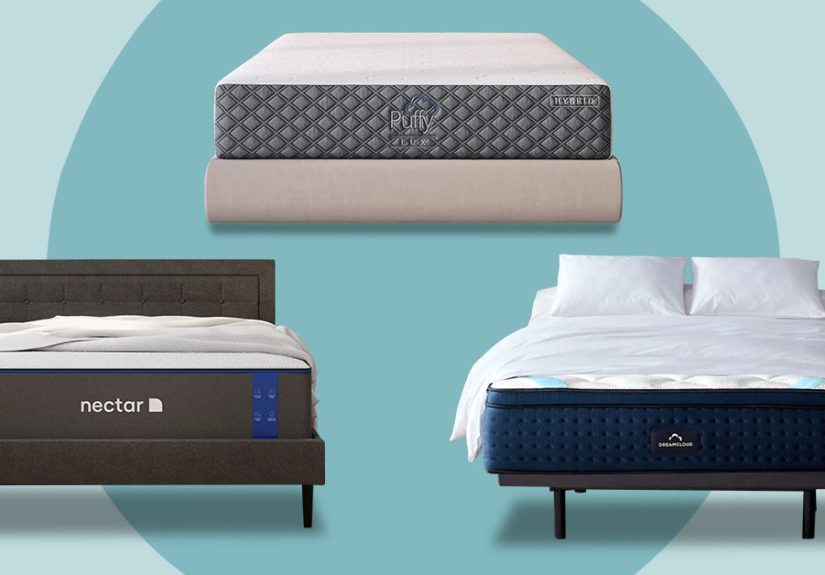
- 5) Nectar Classic Best Budget-Friendly Option for Back Pain
- 6) Avocado Green Mattress Best Organic Latex Hybrid (Cooler, Supportive “Lift”)
- Buying Guide: Match the Mattress to Your Sleep Style
- Back-Pain-Friendly Setup Tips (That Matter More Than People Admit)
- When to Talk to a Pro
- FAQ
- Conclusion
- Bonus: Real-World Experiences with Mattresses for Back Pain (About )
Shopping for a mattress with back pain feels like dating while wearing a “fragile: spine inside” sticker.
Everything looks promising for five minutes… until you wake up feeling like your lower back spent the night
building IKEA furniture without the instructions.
The good news: you don’t need a mattress blessed by a mountain monk. You need the right mix of spinal alignment,
pressure relief, and support for your body and sleep style. Below are six standout beds
that are consistently praised by major U.S. testing labs, medical resources, and long-running review teamsplus a practical
buying guide so you don’t accidentally pick “marshmallow” when your back needs “supportive cloud.”
Quick Take: What Usually Helps Back Pain (Without Overthinking It)
- Medium to medium-firm feel for most sleepers (supportive, but not “sleeping on a sidewalk”).
- Zoned or reinforced lumbar support to keep your hips from sinking and your spine from banana-shaping.
- Pressure relief at shoulders/hips (especially for side sleepers).
- Stable edges and easy movement if you change positions or your back hates being “stuck” in foam.
- A real trial period so you can test it at homebecause a 90-second showroom lie-down is a scam.
How We Chose These 6 Mattresses
We focused on mattresses that repeatedly show up as top picks for back pain across reputable U.S. outlets and/or have strong
test-lab performance for support, pressure relief, and durability. We also prioritized brands with clear home-trial
policies and warranties, since back pain relief often depends on a few weeks of real sleepnot a first impression.
You’ll notice a pattern: most of these are hybrids (foam + coils) or responsive foams with strong
support cores. Translation: cushioning where you want it, structure where you need it.
The 6 Best Mattresses for Back Pain
1) Saatva Classic Best Overall for Most Back Pain
If your goal is “hotel-bed comfort, but make it back-friendly,” the Saatva Classic is a consistent crowd-pleaser.
It’s a luxury hybrid with a buoyant feelmeaning you get support from coils plus a cushioned top that doesn’t swallow you whole.
The big advantage for back pain: it tends to keep your lumbar area supported while still reducing pressure points.
- Best for: back sleepers, combo sleepers, people who want support without a stuck-in-foam feel.
- Feel: responsive and supportive with a plush top; easier to change positions than many all-foam beds.
- Firmness options: typically offered in multiple feels (helpful if your back is picky).
- Why it helps back pain: coil support + targeted cushioning often supports neutral spine alignment.
- Good to know: a more “traditional mattress” vibe (bounce) than slow-melting memory foam.
Who should skip it? If you absolutely need deep memory-foam hug or you’re extremely sensitive to any bounce,
you may prefer a dense foam bed instead.
2) Helix Midnight Luxe Best for Side Sleepers with Back Pain
Side sleepers often get hit with a double problem: hips/shoulders need pressure relief, but your waist still needs support so your spine
doesn’t tilt like it’s trying to slide off the bed. The Helix Midnight Luxe is frequently recommended for that balancing act,
blending contouring foams over supportive coils.
- Best for: side sleepers, many combo sleepers, couples who want solid motion isolation.
- Feel: medium to medium-firm “balanced” comfortcushioning without sinkhole vibes.
- Why it helps back pain: pressure relief at shoulders/hips + coil support under the midsection.
- Cooling notes: typically uses breathable cover materials; optional cooling upgrades exist.
Who should skip it? If you’re a heavier stomach sleeper, you may need a firmer, flatter surface to keep hips elevated.
3) Tempur-Pedic TEMPUR-Adapt Best Memory Foam for Pressure Relief
When people say “I want my mattress to erase pressure points,” they’re usually describing the kind of deep contouring
Tempur-Pedic is known for. TEMPUR-Adapt is a strong choice if your back pain is tied to pressure sensitivity, or if you want that
slow, supportive cradle that helps you settle into one comfortable position.
- Best for: back sleepers who like foam; couples who want excellent motion isolation; pressure-point sufferers.
- Feel: classic memory foam contour (a “hug”), generally less bounce than hybrids.
- Why it helps back pain: contouring can reduce pressure while still supporting spinal alignmentespecially for back sleepers.
- Good to know: some foam beds sleep warmer; consider breathable sheets and a cooling protector if you run hot.
Who should skip it? If you change positions a lot at night and hate the “slow sink,” you may prefer a hybrid with more bounce.
4) The WinkBed Best for Custom Firmness (Including Back Pain-Friendly Support)
Back pain isn’t one-size-fits-all, so a mattress that comes in multiple firmness options can be a lifesaver.
The WinkBed is a luxury hybrid designed to feel supportive and resilient, and it’s often highlighted for strong lumbar support
and a stable surface.
- Best for: back sleepers, combo sleepers, anyone who wants choices (softer to firmer feels).
- Feel: supportive hybrid with a cushioned top; generally easy to move around on.
- Why it helps back pain: supportive coil base + comfort layers that cushion without excessive sagging.
- Good to know: if your first firmness choice isn’t perfect, many people do better by switching firmness than forcing it.
Who should skip it? If you want the deepest foam hug, this will feel more “lifted” and springy than dense memory foam.
5) Nectar Classic Best Budget-Friendly Option for Back Pain
You shouldn’t need to sell a kidney to stop your back from filing daily complaints. Nectar’s Classic is popular because it aims for that
crowd-pleasing “medium-ish” feel and backs it up with a long at-home trial. It’s a practical pick for shoppers who want
memory-foam comfort and strong value.
- Best for: budget shoppers, back and side sleepers who like foam, first-time online mattress buyers.
- Feel: supportive foam with noticeable pressure relief; typically quieter and more motion-isolating than hybrids.
- Why it helps back pain: foam contouring can reduce pressure points; support core helps maintain alignment.
- Good to know: edge support on many foam beds can be softer than hybridsconsider if you sit on the edge often.
Who should skip it? If you’re a hot sleeper who hates any warmth buildup, you may prefer a breathable latex hybrid.
6) Avocado Green Mattress Best Organic Latex Hybrid (Cooler, Supportive “Lift”)
Latex hybrids are a sweet spot for many back-pain sleepers: they’re supportive, springy (easy to move), and often sleep cooler than dense foams.
The Avocado Green Mattress is a well-known organic-focused option that uses latex over a coil support core, creating a “floating” feel
that can be especially comfortable if you dislike deep sink.
- Best for: back and stomach sleepers, hot sleepers, eco-minded shoppers, people who want a responsive surface.
- Feel: buoyant and supportive; less “hug,” more “lift.”
- Why it helps back pain: latex resilience + coil support helps keep hips from sinking too deeply.
- Good to know: some side sleepers prefer a plusher top (look for pillow-top options if you need more pressure relief).
Who should skip it? If you crave a soft, slow-melting memory foam feel, latex can feel too bouncy.
Buying Guide: Match the Mattress to Your Sleep Style
Back Sleepers
Most back sleepers do well with a medium to medium-firm mattress that supports the natural curve of the spineespecially in the lumbar area.
If your hips sink lower than your ribcage, your lower back may feel “pinched” in the morning. Look for hybrids or foams with reinforced midsection support.
Side Sleepers
Side sleeping can be great… unless your shoulder and hip pressure points throw a nightly tantrum. Aim for a mattress that cushions those areas
while keeping your waist supported. This is where “balanced” hybrids often win: enough give to relieve pressure, enough support to prevent sagging.
Stomach Sleepers
Stomach sleeping is basically a trust fall for your lower back. If your mattress is too soft, your hips dip and your spine arches.
Stomach sleepers often need a firmer, flatter surface. If you can’t quit stomach sleeping, consider a firmer option
or at least a supportive hybrid.
Combination Sleepers
If you rotate like a rotisserie chicken (respect), prioritize responsiveness: hybrids and latex make it easier to change positions
without feeling stuck. A medium feel often works best across multiple sleep postures.
Back-Pain-Friendly Setup Tips (That Matter More Than People Admit)
- Give it an adjustment window: Many mattresses soften slightly and your body may need time to adapt.
- Pillows count: Your pillow height should keep your neck aligned with your spinetoo high or too flat can ripple into back discomfort.
- Try a topper before a full return: If the mattress is supportive but a little too firm, a quality topper can add pressure relief.
- Check your foundation: A great mattress on a sagging base is like putting premium tires on a shopping cart.
- Rotate if recommended: Rotating (when allowed) can reduce uneven wear and keep support consistent.
When to Talk to a Pro
Mattresses can improve comfort and support, but they can’t diagnose or treat serious medical issues. If you have persistent pain,
numbness/tingling, weakness, pain after injury, or symptoms that worsen rapidly, it’s smart to consult a qualified clinician.
Think of a mattress as part of a bigger plan: movement, posture habits, and targeted care often matter just as much.
FAQ
Is a firm mattress always best for back pain?
Not always. Many people do better with medium-firmsupportive enough to keep alignment, cushioned enough to avoid pressure points.
“Extra firm fixes everything” is one of those myths that refuses to leave the group chat.
How long should I test a new mattress before deciding?
Ideally, give it at least a few weeks (unless it’s clearly wrong immediately). Your body needs time to adjust, and many materials “break in”
slightly. That’s why generous home trials are so valuable.
What if my mattress is supportive but still hurts my hips or shoulders?
That usually means you need more pressure reliefeither a softer comfort layer, a plusher model, or a topper.
Your spine can be aligned and your joints can still be mad. Both things can be true.
When should I replace a mattress if I have back pain?
If you notice sagging, worsening morning pain, or visible wear, it may be time. Many mattresses last roughly a decade or less depending on materials,
body weight, and use. If you’re “fine” only when you sleep somewhere else, your mattress is probably telling on itself.
Conclusion
The best mattress for back pain is the one that keeps your spine aligned, eases pressure points, and matches your sleeping position.
For most people, that sweet spot is medium to medium-firm, with enough support under the hips and enough cushioning at the shoulders.
If you want a safe, all-around pick, a supportive hybrid like the Saatva Classic or WinkBed is a strong start.
If pressure relief is your top priority, the Tempur-Pedic TEMPUR-Adapt can feel like a gentle reset button for sore spots.
And if you’re shopping on value, Nectar brings solid comfort with a long trial, while Avocado is a standout for
organic materials and cooler, buoyant support.
Still undecided? Don’t panic-buy. Pick the model that fits your sleep style, commit to a real test period, and use the trial like the powerful consumer
tool it is. Your back deserves better than “I guess this is fine.”
Bonus: Real-World Experiences with Mattresses for Back Pain (About )
Let’s talk about what people actually notice when they switch to a more back-friendly mattressbecause the sales copy is always “life-changing,”
but your spine is basically the world’s pickiest reviewer.
First, many sleepers report a strange phase I call the “Wait… is this better or am I just hopeful?” period. The first few nights can feel
different (sometimes firmer, sometimes oddly supportive in new places). If your old mattress had a sag, your body may have been compensating for months or years.
A new mattress that restores alignment can make certain muscles complain for a week or twolike they’re sending you an invoice for all those years of poor posture.
Second, back-pain sleepers often notice improvement in morning stiffness before they notice improvement in daytime aches. That’s because the
mattress’s biggest job happens while you’re unconscious: keeping your hips from dipping, your shoulders from jamming, and your spine from folding like a lawn chair.
When people say, “I didn’t wake up stiff today,” that’s a meaningful winespecially if it repeats consistently.
Third, many people are surprised by how much ease of movement matters. If you’ve ever tried to roll over in deep foam and felt like you needed
a spotter and a snack break, you know what I mean. Hybrids and latex often feel “lighter” to move on, which can be helpful if back pain makes repositioning harder.
Some sleepers describe this as feeling “on top of the bed” rather than “in it,” and for certain backs, that’s exactly the comfort upgrade they needed.
Fourth, couples frequently notice motion isolation and edge support as back-pain multipliers. If you’re waking up because your
partner turns over (or because you’re slowly sliding off the edge), your sleep quality dropsthen pain sensitivity rises. Foam tends to isolate motion well;
strong hybrids often do better at edges. The “best” choice depends on what disrupts your sleep the most.
Fifth, a lot of real-world stories come down to one practical detail: the wrong pillow can sabotage the right mattress. Side sleepers who finally
get shoulder pressure relief sometimes still wake with back discomfort because their pillow is too tall or too flat, tilting the neck and upper spine. Back sleepers
can also over-arch if the pillow pushes the head too far forward. People who get the biggest improvements often tweak pillows, not just mattresses.
Finally, back-pain sleepers commonly say the best purchase decision wasn’t the mattress itselfit was choosing a brand with a real trial period.
That trial removes panic from the process. Instead of forcing yourself to “make it work,” you can test, adjust, andif neededreturn or exchange. In other words:
your back gets a vote, and you get your power back. (Pun fully intended.)