Table of Contents >> Show >> Hide
- How to Build a Basket Kids Actually Love (Without Going Overboard)
- Quick Safety & Sanity Check (Especially for Little Kids)
- 50+ Easter Basket Filler Ideas for Kids of Every Age (Sorted by Age)
- Babies (0–12 months): Sweet, Soft, Safe
- Toddlers (1–2 years): Big Fun, Little Pieces Avoided
- Preschoolers (3–5 years): Imagination Fuel
- Early Elementary (6–8 years): Creative + Active Wins
- Big Kids (9–12 years): Hobbies, Humor, and “Cool Factor”
- Teens (13–17 years): Practical, Personal, and Actually Used
- Non-Candy Egg Fillers (Tiny Treasures That Fit in Plastic Eggs)
- Experience Fillers (The Ones That Don’t Create Clutter)
- Budget Tips: Make It Look Full Without Spending a Fortune
- Conclusion: A Better Basket Is About Balance (Not Just More)
- Bonus: Real-World Easter Basket Experiences (What Families Learn Every Year)
Easter baskets are basically spring’s version of stockingsonly with more pastel grass in places you’ll still be finding in July. If you’ve ever stared at an empty basket and thought, “So…do I just pour in jellybeans until the handle snaps?” you’re not alone.
The good news: the best Easter basket filler ideas aren’t just sugar with a side of sugar. A truly solid basket has a mix of fun, useful, and “wow, you actually nailed their interests” surprisestailored to age and stage. Below you’ll find 50+ Easter basket filler ideas for kids of every age, plus practical tips to keep things safe, budget-friendly, and low-clutter (without turning the basket into a boring “responsible choices only” lecture).
How to Build a Basket Kids Actually Love (Without Going Overboard)
Think of your Easter basket like a greatest-hits playlist. You want varietysome bops, some classics, and one unexpected track that becomes everyone’s new favorite.
The “5-Thing” Basket Formula
- Something to eat (a treat that fits their age and dietary needs)
- Something to do (an activity, craft, or game)
- Something to read (book, comic, puzzle pad, or joke book)
- Something to use (spring gear, school supplies, or a practical favorite)
- Something small and surprising (a “tiny delight” they didn’t expect)
This approach helps you avoid two extremes: (1) a basket that’s 97% candy, and (2) a basket that feels like a tax audit with a ribbon.
Quick Safety & Sanity Check (Especially for Little Kids)
Before we get to the fun list, two very un-fun but very important reminders:
- Choking hazards: For kids under 3, avoid small items, small balls, marbles, tiny toy parts, button batteries, and anything that can fit through a standard choking-test tube. When in doubt, go bigger, softer, and simpler.
- Food allergies and sensitivities: If you’re gifting beyond your own household, check for common allergens (nuts, dairy, eggs, wheat) and consider non-food fillers to be safe.
- Button batteries: Keep them out of baskets entirely. If an item uses a battery, make sure the battery compartment screws closed.
- Stuffed animals: Great ideajust match it to age guidance (especially for babies) and skip long ribbons/loose parts.
50+ Easter Basket Filler Ideas for Kids of Every Age (Sorted by Age)
Below are age-friendly ideas designed to feel special without becoming instant junk-drawer residents. Mix and match based on your kid’s personality (aka their “tiny human brand”).
Babies (0–12 months): Sweet, Soft, Safe
- Soft fabric or crinkle book (high entertainment, low mess)
- Board book with spring/Easter themes
- Silicone teether (bunny-shaped = bonus points)
- Textured sensory ball (large, baby-safe)
- Stacking rings (classic for a reason)
- Musical egg shakers made for toddlers/babies (gentler sound is parent-approved)
- Bath toys (floating duck, pouring cups, or squirt-free designs)
- Soft lovey or small plush bunny
- Silicone bib or baby spoon set in spring colors
- Pacifier clip or stroller toy (if age-appropriate and safe)
Toddlers (1–2 years): Big Fun, Little Pieces Avoided
- Chunky sidewalk chalk (for springtime driveway masterpieces)
- Bubbles (always a hitlike magic, but cheaper)
- Water-reveal coloring pads (mess-minimizing miracle)
- Bath crayons or bathtub finger paint soap
- Egg-themed matching toys or “peek-a-boo” eggs
- Play-Doh mini cans (check age guidance)
- Stickers (large toddler-safe sheets)
- Wooden puzzle with knobs
- Mini board book + a plush character pairing
- Cozy spring socks or toddler slippers
- Warm-weather hat (bucket hat = toddler fashion icon)
- Snack cup or spill-resistant straw cup
Preschoolers (3–5 years): Imagination Fuel
- Sticker book or reusable sticker scenes
- Coloring book + chunky colored pencils
- Mini craft kit (bunny mask, simple bead kit, pom-pom art)
- Kinetic sand or mini sensory dough kit
- Small figurines (animals, dinosaurs, or their favorite characters)
- Mini puzzle pack (24–48 pieces)
- Scavenger hunt cards (indoors or outdoors)
- Spring stampers (flowers, chicks, bunnies)
- Mini gardening kit (kid gloves + seed packets + small shovel)
- Jump rope (short handle version for little arms)
- Temporary tattoos (Easter or spring designs)
- Bath bomb made for kids (gentle scents, age-appropriate)
Early Elementary (6–8 years): Creative + Active Wins
- Mad Libs or silly fill-in books
- Joke book (prepare to laugh politely for two weeks)
- Mini LEGO set or small building kit
- Card game (UNO-style games are travel-friendly)
- Glow sticks for backyard twilight play
- Small sports ball (kickball, mini soccer ball, bouncy ball)
- Art set: gel pens, markers, or watercolor palette
- STEM mini kit (simple experiments, build-a-thing projects)
- “I Spy” or seek-and-find book
- DIY slime kit (with parent-approved boundaries)
- Bike bell/horn or reflective bike stickers
- Fidget toy (choose durable, age-appropriate designs)
Big Kids (9–12 years): Hobbies, Humor, and “Cool Factor”
- Journal or sketchbook (add a cool pen so it feels legit)
- Gel pen set or “fancy” mechanical pencils
- 3D puzzle or brain teaser
- Strategy card game or fast party game
- Hair accessories (headbands, clips, scrunchies) or a baseball cap
- Mini science kit (crystals, volcano, or build-your-own gadget)
- Water bottle stickers (customize everything phase = activated)
- Phone grip or cute keychain (if they have a device/backpack)
- DIY bracelet kit or bead set
- Art upgrade: brush pens, calligraphy markers, or paint pens
- Mini puzzle book (crosswords, logic puzzles, word searches)
- Spring sunglasses (durable, not “break in one blink” cheap)
Teens (13–17 years): Practical, Personal, and Actually Used
Teens don’t want “kid stuff,” but they do want things that match their vibe. The secret is to treat the basket like a curated care packagenot a toy bin in disguise.
- Lip balm, gloss, or a tinted balm (easy, useful, teen-approved)
- Skincare headband or mini skincare essentials (gentle products)
- Mini fragrance or body mist (light, fresh scents)
- Cozy socks (yes, they secretly love themespecially the fun ones)
- Portable charger/power bank (hero gift in a small package)
- Wireless earbuds case or cord organizer
- Gift card (music, games, coffee, books, or their favorite store)
- Water bottle upgrade or tumbler accessories (straw cap, stickers)
- Desk upgrades: highlighters, sticky notes, aesthetic pens
- Mini LED light strip (if you’re brave)
- Hobby add-on: art supplies, guitar picks, baking tools, sports tape
- Hair ties/scrunchies or clips (or grooming essentials for any teen)
- Snack picks that feel “grown”: gourmet gummies, fancy chocolate, or spicy chips (age-appropriate, allergy-aware)
Non-Candy Egg Fillers (Tiny Treasures That Fit in Plastic Eggs)
If you’re doing an egg hunt, you’ll want a stash of small, safe, non-candy fillers. These keep things fun without sending kids into a sugar-fueled sprint that ends with someone crying because their jellybeans “looked at them funny.”
Small (But Mighty) Egg Filler Ideas
- Mini erasers (animals, sports, food shapes)
- Stickers (rolls or tiny sheets)
- Temporary tattoos
- Fun paper clips or mini binder clips
- Mini notepad
- Novelty pencils
- Hair ties or mini scrunchies
- Friendship bracelet string or a few beads (older kids)
- Fidget minis (older kidswatch age guidance)
- Mini stampers
- “Coupon” slips (see below)
Experience Fillers (The Ones That Don’t Create Clutter)
Want a basket that feels generous without adding more “stuff”? Add experiences. These work especially well for older kids, tweens, and teens.
Printable Coupon Ideas
- Pick dinner one night
- Movie night (you choose the movie, I provide popcorn)
- Extra 30 minutes past bedtime (weekend onlykeep your power)
- One-on-one outing: coffee date, boba run, or ice cream walk
- Game night: winner chooses the next family game
- “Yes Day” mini version (choose 2 reasonable requests)
- Bedroom makeover helper (rearrange furniture + donate bag)
- Craft afternoon with supplies already included
Budget Tips: Make It Look Full Without Spending a Fortune
- Go “small + thoughtful” over “big + random.” A few curated items beat a pile of impulse buys every time.
- Add a “wow” anchor item (one slightly bigger gift), then fill the rest with practical minis.
- Use spring necessities: sunscreen stick, water bottle, hat, sandals, swim gogglesstuff you’d buy anyway.
- Buy in multipacks: chalk, bubbles, stickers, mini Play-Doh, and card games often come in sets.
- Skip the super-flimsy stuff. If it breaks before lunch, it’s not a giftit’s a future argument.
Conclusion: A Better Basket Is About Balance (Not Just More)
The best Easter basket filler ideas for kids aren’t about cramming every inch with plastic. They’re about choosing a handful of items that match your child’s age, interests, and daily lifeplus a little springtime magic. Aim for a mix: one treat, one activity, one “use it all week” practical pick, and a surprise that makes them grin. That’s the sweet spotno sugar crash required.
Bonus: Real-World Easter Basket Experiences (What Families Learn Every Year)
Here’s what tends to happen in actual homes (not the imaginary universe where every kid gently admires a basket and then quietly reads a classic novel). These are the patterns families commonly noticeand how you can use them to make your basket smarter, calmer, and more fun.
1) The “favorite item” is almost never the most expensive one. Families often report that the biggest reaction comes from something oddly simple: a fresh pack of gel pens, a new jump rope, a bubble wand the size of a microphone, or a tiny building kit that clicks together perfectly. Kids love items they can use right now. If the gift creates instant playdrawing, bouncing, building, laughingit wins. A practical trick: include at least one “open-and-do” item (like a small game, chalk, or stickers) so the fun starts immediately.
2) Candy is exciting… until it becomes homework. Many parents notice the same pattern: kids love candy on Easter morning, then two days later there’s a half-eaten pile that somehow feels stressful. That’s why non-candy fillers can be a relief. A small amount of candy still feels festive, but balancing it with usable items (books, crafts, spring gear) keeps the basket from turning into a month-long sugar negotiation. If you do include sweets, choose a few “special” treats rather than a bulk avalanche.
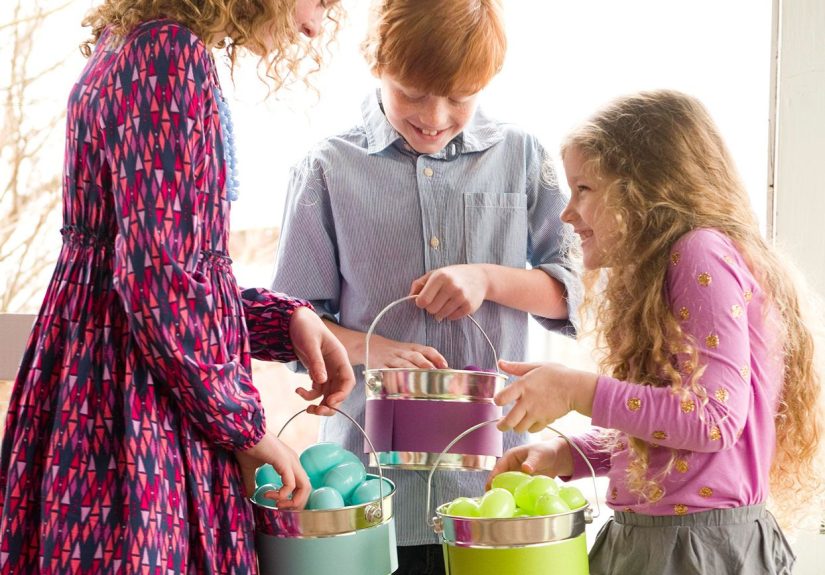
3) Plastic eggs are a logistics game, not a personality test. Egg hunts are adorableuntil you realize you need 24 small things that fit into eggs, are safe, and won’t break instantly. The experience most families share: the best egg fillers are lightweight, durable, and easy to trade. Stickers, tiny erasers, mini stampers, novelty pencils, and “coupon slips” are the MVPs. One especially smooth move: do a mixed huntsome eggs with small prizes, some with paper “clues,” and one “golden egg” with a bigger reward (like a small LEGO set or gift card).
4) Age gaps matterso separate the “rules” when you can. In families with multiple kids, the younger child often wants bright, tactile items (bubbles! plush! stickers!), while the older child wants identity-based items (skincare, journaling supplies, hobby add-ons). When families tailor baskets by agerather than trying to make everything “fair” by being identicaleveryone ends up happier. “Fair” can mean equal thought, not equal objects. A teen doesn’t want a toddler toy, and a toddler doesn’t need a portable charger (unless they’re running a very busy schedule).
5) The calmest baskets have a themeeven a loose one. A common parent win: choosing a simple theme like “outdoor spring,” “art kid,” “bookworm,” “sports,” “self-care,” or “STEM.” A theme prevents overbuying because you can filter decisions: “Does this fit the theme and will they use it?” It also makes the basket feel intentional and “curated,” whichironicallyoften looks more impressive than a random mountain of stuff.
6) The best Easter moment might not be in the basket. Families often remember the experience more than the items: the backyard hunt, the silly bunny footprints, the pancake breakfast, or the “pick your adventure” outing later that day. That’s why experience coupons are such a strong addition. They create anticipation beyond Easter morning. One parent-friendly approach: include one coupon that’s immediate (“Movie night tonight”) and one that’s later (“Choose a weekend outing”). Suddenly, the basket has a storylinenot just objects.
Bottom line: when you build a basket around what your kid will actually docreate, play, wear, share, exploreyou get more joy with less clutter. And you’ll still find plastic grass in your laundry. Some traditions are unstoppable.