Table of Contents >> Show >> Hide
- Why Wellness Journals Matter in 2025
- How These 5 Wellness Journals Were Chosen
- The 5 Best Wellness Journals for Better Health in 2025
- 1. Papier Daily Wellness Journal Diary – Best for Holistic Wellness
- 2. Worry for Nothing: Guided Anxiety Journal – Best for Easing Anxiety
- 3. Ban.do Wellness Workbook – Best Multimedia & Creative Journal
- 4. Blogilates 12-Week Fit Journal – Best for Fitness & Nutrition Tracking
- 5. Good Housekeeping 2025 Live Life Beautifully Planner – Best Planner for Everyday Wellness
- How to Choose the Right Wellness Journal for You
- Simple Habits to Make Your Wellness Journal Stick
- Real-Life Experiences with Wellness Journals in 2025
If you’ve ever promised yourself, “This year I’m finally going to take my health seriously,” and then immediately forgot what you promised after opening Instagram, a wellness journal might be your new secret weapon. In 2025, wellness journals have gone way beyond “Dear Diary.” They’re part planner, part therapist, part habit coach, and part best friend who reminds you to drink water and go to bed on time.
Backed by decades of research, journaling is no longer just a “nice idea” it’s a simple, low-cost tool that can reduce stress and anxiety, boost mood, and improve overall well-being. Studies on expressive writing have shown meaningful reductions in psychological distress and even improvements in physical health, including better immune function and lower stress markers. Major health organizations and clinics now list journaling alongside sleep, movement, and nutrition as a core self-care habit for managing stress and supporting mental health.
The only catch? You actually need a journal you enjoy using. That’s where this guide comes in. Below are five of the best wellness journals and planners for 2025 all designed to help you track habits, process emotions, and turn “I’ll start Monday” into “Wow, I’ve kept this up for three months.”
Why Wellness Journals Matter in 2025
Life in 2025 is… a lot. Many of us are juggling work, family, health goals, side projects, and a constant stream of notifications. It’s no surprise that stress, anxiety, and burnout are common themes in doctor’s offices and therapy sessions. Journaling gives you a private place to dump the mental clutter, process what’s going on, and decide what actually matters.
Short, guided writing sessions sometimes just a few minutes a day have been shown to improve mood, increase self-awareness, and help people cope with depression and anxiety. One 12-week journaling intervention even showed measurable reductions in mental distress and improved psychological functioning, which is encouraging for anyone trying to build healthier routines without overhauling their entire life.
Wellness journals take those benefits and structure them. Instead of staring at a blank page thinking “So… now what?”, you get prompts, trackers, and layouts that guide you to reflect on your sleep, stress, movement, food, and feelings. Many newer journals also integrate modern wellness tools from mood logs and gratitude lists to anxiety reframe prompts, habit trackers, and weekly reflections.
How These 5 Wellness Journals Were Chosen
For this list of the best wellness journals for better health in 2025, we looked at:
- Expert and editorial recommendations from outlets like Good Housekeeping, SELF, Marie Claire, and wellness-focused lifestyle sites that regularly test journals and planners.
- Evidence-informed features such as mood tracking, gratitude prompts, and structured reflection all of which are supported by mental health and stress-management research.
- Real-world usability: Is it actually easy to use every day? Are the pages uncluttered? Does it work for busy schedules, not just for people who have an hour to journal in a sunlit cottage?
- Goal diversity: This list includes journals for holistic wellness, anxiety relief, fitness and nutrition, creativity, and all-in-one life planning.
All five picks below come from a 2024–2025 roundup by Good Housekeeping plus cross-checks with other wellness and stationery sources to make sure they still hold up as great choices this year.
The 5 Best Wellness Journals for Better Health in 2025
1. Papier Daily Wellness Journal Diary – Best for Holistic Wellness
Best for: People who want one pretty place to track their mind, body, and mood without feeling like they’re filling out a tax form.
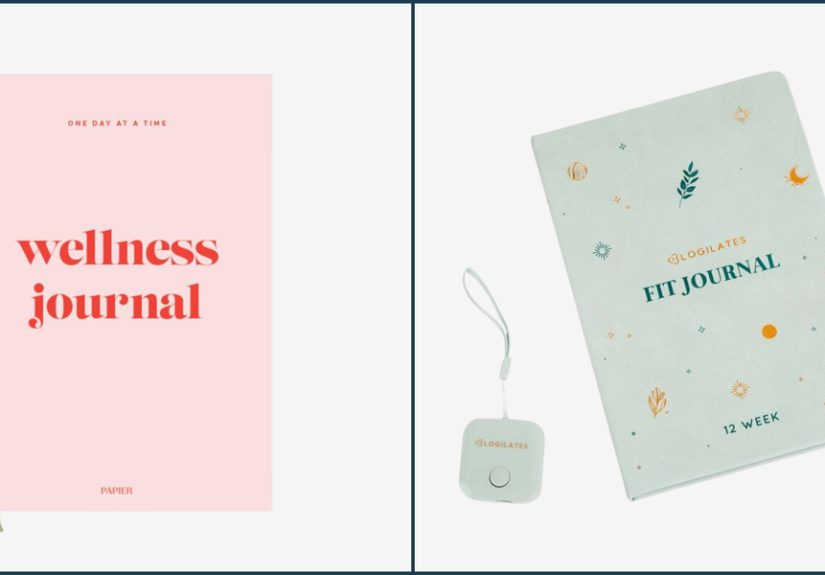
The Papier Daily Wellness Journal Diary is the “all-around athlete” of wellness journals. Featured as the top pick for holistic wellness by Good Housekeeping, this journal gives you 12 weeks of structured pages to track movement, mindset, sleep, energy, goals, gratitude, and overall well-being.
Layouts are clean and soothing rather than cramped. On a typical day, you might log how you moved your body, how you slept, how you’re feeling emotionally, and one or two actions that would make the day feel good. There’s also space for longer reflections, which makes it a nice hybrid between a tracker and a classic journal.
What sets Papier apart is its thoughtful design: psychology-informed prompts, a clear 12-week timeframe (long enough to build habits, short enough not to feel overwhelming), and a focus on patterns. If your energy dips every Wednesday but spikes after walks, you’ll see that in black and white which makes it much easier to tweak your routine.
Best for you if: You want something aesthetically pleasing and well-structured that supports overall mind-body wellness, not just one specific goal like weight loss.
2. Worry for Nothing: Guided Anxiety Journal – Best for Easing Anxiety
Best for: Overthinkers, worriers, and “I wake up at 3 a.m. to replay one awkward sentence from 2014” types.
The Worry for Nothing: Guided Anxiety Journal (by Four Progress) earned the “Best for Anxiety” spot thanks to its uncluttered layout and targeted prompts. Rather than making you write page after page, it gently walks you through what happened, how you felt, and how you might reframe the thought.
The pages often include sections like:
- “What triggered my worry?”
- “What story is my brain telling me?”
- “What are three more balanced ways to look at this?”
This lines up well with evidence on expressive writing and cognitive reframing, which can help reduce anxiety and make worries feel less overwhelming. The journal has hundreds of five-star reviews from users who say it helps them step back from spiraling thoughts and respond more calmly.
Best for you if: You’re dealing with day-to-day stress and anxious thoughts and want a structured, soothing place to process them. (Important note: it’s a helpful tool, but not a replacement for therapy or medical care when those are needed.)
3. Ban.do Wellness Workbook – Best Multimedia & Creative Journal
Best for: People who love color, stickers, quotes, and a little playful chaos with their self-improvement.
The Ban.do Wellness Workbook is like a colorful self-care playground. Good Housekeeping highlights it as a “Best Multimedia Journal” thanks to its five color-coded sections: Achieving Your Goals, Exploration, Taking Action, Relaxation, and Your Personal Journey. Inside, you’ll find a mix of prompts, checklists, worksheets, and tear-out pages with motivational quotes you can tape to your mirror or desk.
Rather than giving you 365 identical daily pages, Ban.do leans into variety. One day you might reflect on your strengths, another day you’re listing things that relax you, and another day you’re planning an ideal week. This kind of creative engagement can make journaling feel less like homework and more like a hobby perfect if you’ve abandoned more rigid journals in the past.
Best for you if: You’re motivated by visual, interactive layouts and want a journal that feels fun, not clinical.
4. Blogilates 12-Week Fit Journal – Best for Fitness & Nutrition Tracking
Best for: Anyone who wants to connect workouts, food, sleep, and mood in one place (and maybe get in a few squats between journal entries).
Created by fitness personality Cassey Ho of Blogilates, this 12-week Fit Journal is your training log, food diary, habit tracker, and reflection space all rolled into one. Good Housekeeping notes that each day’s layout includes space for food, water intake, macros, mood, sleep, workout details, and body measurements, plus weekly grocery lists and reflection prompts.
This structure mirrors what sports psychologists and coaches often recommend: track your inputs (nutrition, training, sleep) alongside your outputs (energy, mood, performance). Over three months, it becomes a personalized data set you can use to adjust workouts, spot overtraining, or notice patterns like “I always feel better on days I actually eat breakfast.”
The brand also offers supporting content like workout videos and fitness resources, which can help you turn your written goals into daily movement.
Best for you if: You’re focused on physical health goals strength, mobility, endurance, or body composition and want a guided system that keeps those goals tied to overall wellness, not just numbers on a scale.
5. Good Housekeeping 2025 Live Life Beautifully Planner – Best Planner for Everyday Wellness
Best for: “I need one book for everything” people who want to blend appointments, to-dos, and wellness habits.
The Good Housekeeping 2025 Live Life Beautifully planner is technically a planner, but it easily doubles as a wellness journal. Editors designed it with open-ended daily spaces so you can track whatever matters most to you workouts, water intake, self-care, gratitude, or wins of the day alongside your schedule.
Sprinkled throughout are ideas and tips from Good Housekeeping’s editors on creating a more organized, healthy, and joyful life. This “lightly guided, mostly flexible” format works especially well if you’ve tried rigid wellness journals and felt boxed in by pre-set prompts.
Best for you if: You’d rather carry one book than a separate planner, wellness journal, and habit tracker and you like mixing practical planning with gentle inspiration.
How to Choose the Right Wellness Journal for You
1. Start with your main goal
Ask yourself: What do I most want help with right now?
- Stress and emotions: Choose a guided journal like Worry for Nothing or a mental health–focused wellness journal with reflection prompts and mood tracking.
- Overall life balance: Go for a holistic wellness planner such as the Papier Daily Wellness Journal or an all-in-one planner like the Good Housekeeping 2025 planner.
- Fitness and nutrition: Pick a journal with dedicated space for meals, movement, and progress, like the Blogilates 12-Week Fit Journal or other wellness planners that include food logs and activity tracking.
- Creativity and self-discovery: Look toward more playful options like the Ban.do Wellness Workbook or other guided journals that mix prompts, art, quotes, and vision pages.
2. Be honest about your time and energy
If you know you’ll only realistically journal for five minutes a day, choose a format that supports that short prompts, compact daily spreads, and clear checkboxes. Research shows that even a few minutes of consistent journaling can improve mood and reduce stress; it doesn’t have to be a 2-page manifesto every night.
On the other hand, if you love writing and reflection, pick something with more open space or longer weekly pages so you don’t feel cramped.
3. Decide between structured vs. flexible layouts
Structured journals (with labeled boxes and prompts) are great when you’re building new habits or feeling overwhelmed they remove decision fatigue and guide you toward useful reflections. Flexible planners and blank-page journals are better if you already know what you want to track and prefer more freedom.
There’s no “right” format; there’s just the one you’ll actually use. If possible, flip through sample pages or product photos online to see if the design makes you feel calm or stressed just looking at it. Many brands, including Papier, Clever Fox, and Erin Condren, share detailed page previews specifically for this reason.
Simple Habits to Make Your Wellness Journal Stick
- Pair it with an existing habit. Keep your journal next to your coffee maker (morning) or on your nightstand (evening). Attach journaling to something you already do without thinking.
- Keep expectations tiny. Aim for 3–5 minutes, not 30. Quick prompts and short lists still deliver mental health benefits.
- Use prompts on “blank brain” days. If your mind is foggy, answer simple questions like “What gave me energy today?” or “What do I need more of this week?”
- Track feelings alongside facts. Don’t just log steps and macros; jot down how you felt. Over time, patterns between behavior and mood get much easier to spot.
- Let it be imperfect. Spelling doesn’t matter. Messy handwriting doesn’t matter. You’re not writing a memoir; you’re caring for your future self.
Real-Life Experiences with Wellness Journals in 2025
So what does using a wellness journal actually look like in real life beyond the perfectly staged photos on social media? In 2025, more people than ever are using guided journals as part of their mental and physical health routines, and a few patterns show up again and again.
Calmer mornings, less anxious nights
Many journal users report that short check-ins at the start and end of the day help them feel more grounded and less scattered. Research on expressive and gratitude journaling echoes this: brief daily writing sessions can reduce anxiety and help people feel more focused and less reactive to stress.
Picture this: you sit down with your Papier Daily Wellness Journal or anxiety journal, jot down three things you’re grateful for, one thing you’re worried about, and one small step you can take. That process nudges your brain out of “everything is terrible” mode and into “okay, here’s one thing I can do today” mode. Over weeks and months, that shift adds up.
More intentional health choices
Fitness- and nutrition-focused journals like the Blogilates Fit Journal or other wellness planners that track meals and workouts tend to create “aha” moments. Users often realize that they sleep better on days they move more, or that certain foods consistently affect energy or mood.
One common story: someone starts tracking their evenings and notices that scrolling on the couch until midnight always leads to poor sleep and cranky mornings, while a short walk plus a few minutes of journaling leads to feeling more rested and clear-headed. Once you see that pattern on paper, it becomes much easier to change the habit you have your own personalized data set backing you up.
Better self-awareness (without overanalyzing everything)
Journaling doesn’t magically erase stress life still happens but it can help you notice how you respond to it. In surveys of journal users, many say they feel a sense of relief, calm, or clarity after writing, even if they only wrote for a few minutes. That relief often comes from turning vague, swirling thoughts into words you can see and respond to.
Guided anxiety journals, in particular, can help break the habit of catastrophizing. Instead of jumping from “I made a mistake at work” to “I’ll probably get fired and live in a cardboard box,” structured prompts encourage you to name what happened, question the story you’re telling yourself, and consider more realistic alternatives.
More sustainable than “all-or-nothing” wellness
Wellness journaling fits nicely with the trend toward realistic, sustainable self-care: less “perfect morning routine” and more “What actually helps me feel okay this week?” Articles and apps focused on journaling now emphasize short, flexible practices over rigid rules think 5-minute daily logs or weekly check-ins that can be done with a pen and paper almost anywhere.
For a lot of people, a wellness journal becomes the anchor that connects different healthy habits. On one page you might log a walk, jot down a quick meditation, and note a win from therapy. Over time, those small notes turn into a record of how far you’ve come something you can look back on when motivation dips.
Is a wellness journal worth it?
If you like the idea of feeling calmer, more organized, and more connected to your body and mind and you’re willing to trade five to ten minutes a day for that then yes, a wellness journal is absolutely worth trying. The five picks in this list give you different ways to approach the same goal: taking your health seriously without taking yourself too seriously.
You don’t have to wait for January 1st or a “perfect” Monday. Pick the journal that matches your personality, write your name on the first page, and start with one tiny prompt tonight. In a year, you’ll be glad you did and you’ll have the pages to prove it.