Table of Contents >> Show >> Hide
- Why Exercise Matters So Much When You Have Diabetes
- 1. Brisk Walking: The Easiest Daily Blood Sugar Tool
- 2. Strength Training: Teaching Your Muscles to Love Glucose
- 3. Cycling: Joint-Friendly Cardio You Can Do Indoors or Out
- 4. Swimming and Water Aerobics: A Full-Body Workout That Feels Gentle
- 5. Yoga, Stretching, and Balance Work: Calming Your Mind and Your Numbers
- Exercising Safely with Diabetes: Practical Tips
- Fitting These 5 Exercises into a Real-Life Weekly Plan
- Real-World Experiences: What Moving More Can Feel Like
- Conclusion: Move in Ways That Work for You
If you live with diabetes, you’ve probably heard the advice a thousand times: “You should exercise more.” That’s helpful in theory, but in real life it can sound about as useful as “You should just relax” when you’re stressed. The good news is that you don’t need a complicated gym routine or marathon-level training to get real benefits. A few smart, doable exercises can help lower blood sugar, improve insulin sensitivity, support heart health, and make everyday life feel easier.
This guide breaks down five of the best exercises for people with diabetes, why they work, and how to fit them into a realistic schedule. We’ll focus mostly on type 2 diabetes, but many of the principles also apply to people with type 1 diabetesjust with some extra attention to blood sugar monitoring and safety.
Why Exercise Matters So Much When You Have Diabetes
When you move, your muscles use glucose for fuel. That means physical activity literally pulls sugar out of your bloodstream and into your cells, where it belongs. Regular movement also makes your body more sensitive to insulin, so the insulin you naturally produceor injectcan work more effectively.
Large health organizations recommend that adults with diabetes aim for at least 150 minutes of moderate-intensity aerobic exercise per week, plus muscle-strengthening activities at least two days per week. That might sound like a lot, but it breaks down to just 30 minutes a day, five days a week, and you can divide it into 10–15 minute chunks.
Key Benefits of Exercise for People with Diabetes
- Helps lower blood glucose and A1C over time
- Improves insulin sensitivity (your cells respond better to insulin)
- Supports weight management and reduces belly fat
- Lowers blood pressure and improves cholesterol
- Reduces risk of heart disease and stroke
- Boosts mood, energy, and sleep quality
Before you jump in, it’s wise to talk with your health care provider, especially if you have complications like heart disease, neuropathy, retinopathy, or joint problems. They can help you choose activities that are safe for your body.
1. Brisk Walking: The Easiest Daily Blood Sugar Tool
If exercise had a “starter pack” for diabetes, brisk walking would be on the cover. It’s low-impact, free, and flexible enough to work with almost any schedule. Studies show that regular walking can improve blood sugar, blood pressure, body weight, and overall fitness in people with type 2 diabetes.
Why Walking Works So Well
- Uses large muscle groups in your legs, which burns more glucose.
- Improves circulation and heart health.
- Can be done in short burstsfor example, 10 minutes after each meal.
- Ideal for beginners or people returning to exercise after a long break.
How to Get Started
- Start with 10 minutes at a comfortable pace most days of the week.
- Gradually increase to 20–30 minutes of brisk walking (you can talk but not sing) on at least five days.
- Try adding short post-meal walks (especially after dinner) to help control blood sugar spikes.
Safety Tips for Walking with Diabetes
- Wear well-fitting walking shoes and moisture-wicking socks to protect your feet.
- Check your feet after walking for blisters, redness, or hot spotsespecially if you have neuropathy.
- If you take insulin or certain diabetes pills that can cause low blood sugar, carry a fast-acting carb (like glucose tablets) just in case.
2. Strength Training: Teaching Your Muscles to Love Glucose
Strength trainingalso called resistance trainingincludes exercises like squats, lunges, wall push-ups, resistance band moves, or lifting weights. For diabetes, strength training is a secret weapon. Building muscle helps your body store and use more glucose, which can lead to better blood sugar control over time.
How Strength Training Helps Diabetes
- Increases muscle mass, which acts like a “sponge” for glucose.
- Improves insulin sensitivity for many hours after a workout.
- Supports weight management and reduces body fat.
- Strengthens joints and bones, helping with balance and stability as you age.
Easy Ways to Start Strength Training
You don’t need a gym membership or fancy equipment. Try:
- Bodyweight moves: squats to a chair, wall push-ups, step-ups on a low step.
- Resistance bands: biceps curls, rows, and shoulder presses with a medium band.
- Light dumbbells: start with 1–5 pound weights if you’re new to lifting.
Aim for strength training at least two days per week, with one rest day in between. Start with one set of 8–12 repetitions for each major muscle group (legs, chest, back, arms, and core) and gradually work up to two or three sets as you get stronger.
Safety Check for Strength Training
- Avoid holding your breath while lifting; exhale on the effort.
- Use smooth, controlled movementsno jerking or swinging the weights.
- If you have eye complications (diabetic retinopathy), talk with your provider about how much weight and intensity are safe.
3. Cycling: Joint-Friendly Cardio You Can Do Indoors or Out
Cyclingeither on a stationary bike or outdoorsis a great option if you want a low-impact cardio workout that’s kind to your knees, hips, and ankles. Like walking, it improves cardiovascular health and helps your muscles soak up more glucose.
Why Cycling Is Great for Diabetes
- Less stress on joints than running or jumping.
- Easy to adjust intensity by changing resistance or speed.
- Can be done indoors year-round on a stationary bike.
- Supports weight loss and improved stamina.
How to Start Cycling Safely
- Begin with 10–15 minutes of gentle pedaling and see how your body feels.
- Gradually build up to 30–40 minutes of moderate cycling on most days of the week.
- If riding outdoors, wear a helmet and choose safe, well-lit routes or dedicated bike paths.
If you struggle with balance, a recumbent bike or stationary bike may be a safer and more comfortable choice than a traditional road bike.
4. Swimming and Water Aerobics: A Full-Body Workout That Feels Gentle
Water-based exercise is especially helpful if you have joint pain, arthritis, or extra weight that makes land-based exercise uncomfortable. Swimming and water aerobics provide resistance in all directions, giving you a full-body strength and cardio workout at the same time.
Benefits of Water Exercise for People with Diabetes
- Buoyancy in the water reduces stress on joints and spine.
- Water resistance helps build strength and endurance.
- Cool water can help you avoid overheating during longer sessions.
- Can improve flexibility, balance, and overall fitness.
Getting Started in the Pool
- Try a beginner water aerobics class designed for older adults or people with chronic conditions.
- Start with 10–20 minutes of gentle swimming or walking in the shallow end.
- Gradually increase your time in the water as you feel more comfortable.
Because your feet may be softer after being in the water, check them carefully for cuts or irritation after swimming, especially if you have reduced sensation in your feet.
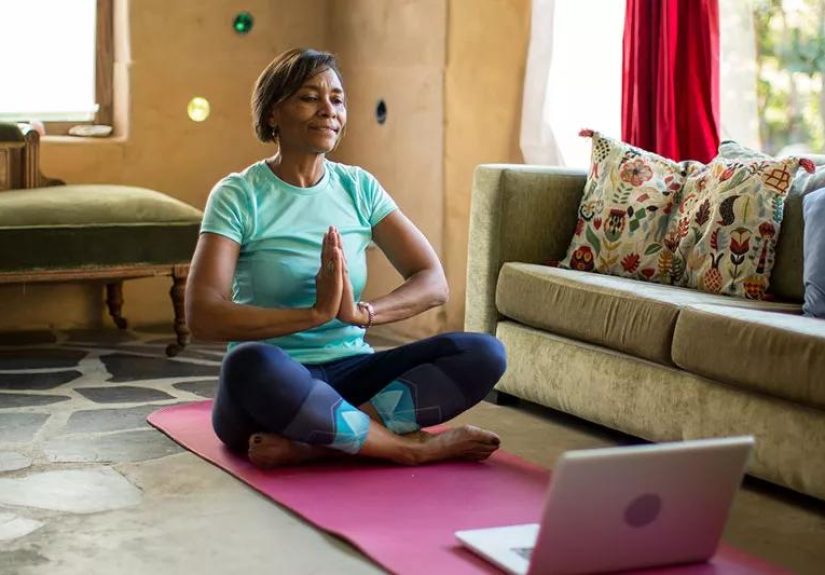
5. Yoga, Stretching, and Balance Work: Calming Your Mind and Your Numbers
When people think about exercise for diabetes, they often picture cardio machines and weights. But mind–body exercises like yoga, tai chi, and focused stretching also play an important role. These activities won’t necessarily burn as many calories as cycling or swimming, but they can help reduce stress hormones, improve flexibility, and support better blood sugar control as part of a balanced routine.
How Mind–Body Exercise Helps
- Reduces stress, which can help prevent stress-related blood sugar spikes.
- Improves balance and coordination, reducing fall risk.
- Helps ease muscle tension and joint stiffness, making other exercise easier.
- Can improve sleep quality, which is linked to better metabolic health.
Simple Ways to Add Yoga and Stretching
- Try a beginner yoga or chair yoga class in your community or online.
- Spend 5–10 minutes stretching your calves, hamstrings, hips, chest, and shoulders after walks.
- Practice a short breathing or relaxation routine before bed to wind down.
Think of yoga and stretching as the “glue” that holds your exercise week together: they help your body feel better so you’re more likely to keep moving consistently.
Exercising Safely with Diabetes: Practical Tips
Exercise is powerful, but it’s even better when you pair it with smart safety habits. A few simple steps can reduce your risk of low or high blood sugar and keep your workouts enjoyable.
Before You Exercise
- Talk with your health care provider about which activities are safe for you.
- If you use insulin or certain pills (like sulfonylureas), ask about how to adjust your dose or timing around workouts.
- Check your blood sugar before moderate or vigorous exercise, especially when you’re starting a new routine.
During and After Exercise
- Carry a quick source of carbs (like glucose tablets, juice, or regular soda) in case of low blood sugar.
- Stay hydrated with water, especially in hot or humid weather.
- Be aware of signs of hypoglycemia (shakiness, sweating, confusion, rapid heartbeat) and stop to treat it if needed.
- Check your blood sugar again after longer or more intense workouts so you can see how your body responds.
Special Considerations by Diabetes Type
- Type 1 diabetes: Exercise can cause blood sugar to go low during or after activity, especially with insulin on board. In some cases, intense exercise can temporarily raise blood sugar. Work with your care team to plan insulin adjustments and carb intake around activity.
- Type 2 diabetes: Many people see steady improvements in fasting blood sugar and A1C over weeks to months of regular exercise, especially when combined with balanced nutrition and weight management.
Fitting These 5 Exercises into a Real-Life Weekly Plan
You do not have to do all five kinds of exercise every day. Think of them as building blocks you can arrange to fit your lifestyle, schedule, and energy level. Here is a sample week combining the best exercises for people with diabetes:
- Monday: 25–30 minutes brisk walking after work + 5 minutes gentle stretching.
- Tuesday: 20–30 minutes cycling (stationary bike) + 10 minutes light strength (bodyweight squats, wall push-ups, resistance band rows).
- Wednesday: 20-minute walk after dinner + short yoga or relaxation session before bed.
- Thursday: Strength training (20–30 minutes) focusing on legs, back, and arms.
- Friday: 30-minute swim or water aerobics class.
- Saturday: Longer walk, bike ride, or active hobby (gardening, dancing, playing with kids or grandkids).
- Sunday: Rest day with a focus on light stretching, gentle movement, and foot care.
Remember: consistency beats perfection. If your week doesn’t go exactly as planned, that’s normal life. Aim to move more on most days, and let these five exercise types give you options instead of rules.
Real-World Experiences: What Moving More Can Feel Like
It’s one thing to read about exercise benefits in a list. It’s another to actually weave movement into a life that includes blood sugar checks, medications, work, family, and the occasional late-night snack. Here are some common experiences people with diabetes report when they adopt these five types of exerciseand some lessons learned along the way.
The Power of the After-Dinner Walk
Many people discover that a 10–20 minute walk after dinner is a game-changer. Instead of sitting on the couch and watching their blood sugar creep up, they head outside (or walk in place at home) and notice that post-meal numbers stay more stable. Over time, this simple routine can become a daily ritualpart digestion support, part stress relief, part “me time.”
Some people like to make it social: walking the dog, inviting a partner or friend, or calling a relative while they walk. Others treat it like a mini reset after a long day, leaving their phone at home and just focusing on the rhythm of their steps and their breathing.
Discovering Strength Training Without the Intimidation
Gyms can be intimidating, especially if the weight area looks like a superhero movie casting call. But a lot of people with diabetes find that once they try simple strength moves at home, they feel surprisingly empowered. A sturdy chair, a wall, a resistance band, or a pair of light dumbbells can be enough to get started.
At first, it may feel awkward to do squats or wall push-ups. Muscles may feel tired or slightly sore the next day (that’s normal as they adapt). But within a few weeks, everyday activitieslike getting up from a low couch, climbing stairs, or carrying groceriesoften feel easier. Some people also notice that blood sugar numbers look better the morning after strength workouts, thanks to improved insulin sensitivity.
Finding Joy in Low-Impact Cardio
Not everyone loves running, and that’s perfectly fine. Many people discover that cycling, swimming, or even brisk walking while listening to music or a podcast can be genuinely enjoyable. Stationary bikes and home walking workouts (like following a walking video indoors) make it possible to exercise when the weather is terrible or time is tight.
Over time, people often notice that what used to feel challenginglike pedaling for 10 minutesturns into a warm-up. That sense of progress can be incredibly motivating. It’s not just about the scale or the blood sugar readings; it’s about feeling more capable in your own body.
Managing Blood Sugar Ups and Downs Around Exercise
Anyone who has exercised with diabetes knows that blood sugar doesn’t always behave exactly how you expect. Sometimes it drops faster than you thought; other times, especially with very intense exercise, it may rise temporarily before coming down. Many people describe a period of trial and error as they learn how their body responds.
Patterns often emerge: maybe you learn that morning walks usually lower your blood sugar gently, while afternoon strength sessions require a small snack beforehand. Or you discover that a big dose of insulin plus immediate exercise is a recipe for a low. Over time, with guidance from a health care team, people usually gain the confidence to adjust food and medications so movement feels safer and more predictable.
Using Mind–Body Exercise to Tame Stress and Cravings
Living with a chronic condition can be stressful, and stress itself can raise blood sugar. That’s where yoga, stretching, and breathing exercises shine. Many people report that even a 5–10 minute routine before bed helps them unwind, sleep better, and feel more in control the next day.
Some also notice changes in their eating habits. When stress is dialed down a bit, it can be easier to choose balanced meals or pass up automatic late-night snacking. Mind–body practices don’t have to be perfect or Instagram-worthy; a simple stretch routine in pajamas absolutely counts.
The Biggest Lesson: Start Small and Keep Going
Across all these experiences, one theme stands out: the most successful exercise routines for people with diabetes are not extreme. They’re simple, repeatable, and flexible enough to survive vacations, busy weeks, and occasional lazy days. A 10-minute walk still counts. Two sets of light squats still count. Chair yoga still counts.
If you live with diabetes, you deserve an exercise plan that feels doable, safe, and maybe even enjoyable. These five types of exercisewalking, strength training, cycling, swimming, and mind–body movementcan be mixed and matched to fit your life. Over time, they can help you not only manage blood sugar, but also feel stronger, more energetic, and more at home in your body.
Conclusion: Move in Ways That Work for You
The “best” exercise for people with diabetes is ultimately the one you’ll actually do consistently. Brisk walking is an easy starting point, strength training helps your muscles use glucose more effectively, cycling and swimming offer joint-friendly cardio options, and yoga and stretching support flexibility, balance, and stress relief.
Talk with your health care provider before changing your routine, start small, and celebrate progress rather than perfection. Every step, pedal, lap, and stretch is a vote for your long-term health.