Table of Contents >> Show >> Hide
- Why Brushed Stainless Steel Needs a Different Cleaning Approach
- Before You Start: Gather the Right Supplies
- Method 1: Use Warm Water and Mild Dish Soap for Everyday Cleaning
- Method 2: Use White Vinegar for Fingerprints and Water Spots
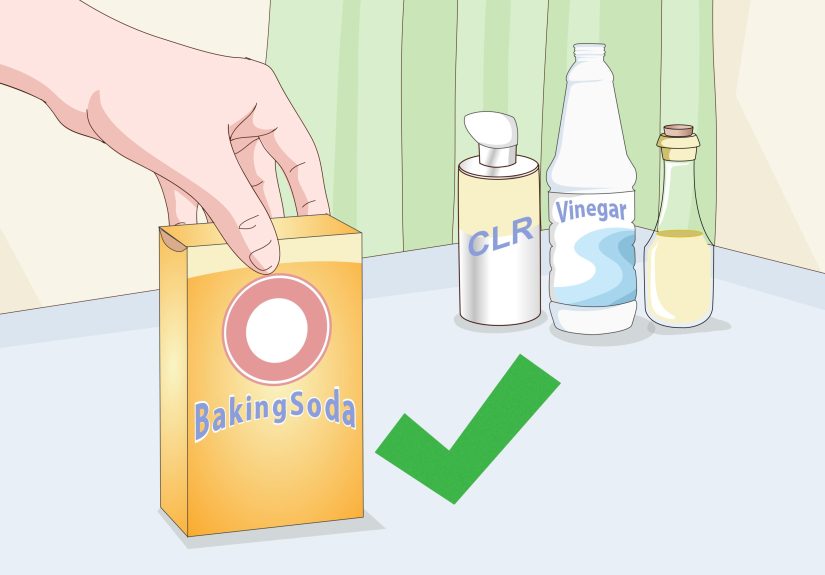
- Method 3: Use a Baking Soda Paste for Stuck-On Grime
- Method 4: Use a Stainless Steel Cleaner or Light Polish for Shine and Restoration
- Common Mistakes That Can Ruin the Finish
- Which Cleaning Method Should You Use?
- How Often Should You Clean Brushed Stainless Steel?
- What About Scratches, Rust, or Heat Discoloration?
- Real-World Experiences Cleaning Brushed Stainless Steel
- Conclusion
Brushed stainless steel looks sharp, modern, and just expensive enough to make you want to protect it like a tiny kitchen celebrity. Then real life happens. Fingerprints appear out of nowhere. Water spots stage a hostile takeover. Grease sneaks in. And suddenly that sleek brushed finish starts looking more “busy restaurant dishwasher” than “dream kitchen.”
The good news is that brushed stainless steel is not especially hard to clean. The trick is using the right method for the right mess and, most importantly, cleaning with the grain instead of fighting it like a villain in an action movie. Once you know what works, you can remove smudges, stuck-on grime, and dull streaks without scratching the finish or turning shine restoration into accidental damage control.
Below are four practical, proven ways to clean brushed stainless steel, plus smart maintenance tips, common mistakes to avoid, and real-world cleaning experiences that make the process much easier the next time your refrigerator handle starts looking like it was touched by a whole elementary school.
Why Brushed Stainless Steel Needs a Different Cleaning Approach
Brushed stainless steel has a visible directional grain. That grain is what gives the surface its soft, matte, textured look. It also means every wipe mark, residue streak, and careless scrub can show more clearly than on smoother polished metal.
That is why the safest rule is simple: always clean in the direction of the grain. When you wipe across it, you increase the odds of streaking and may leave behind a cloudy appearance. Use too much force or the wrong tool, and you can create fine scratches that are much more noticeable on a brushed finish.
Another thing worth knowing is that “stainless” does not mean “stain-proof.” Hard water, oily hands, cooking residue, soap film, and salt-heavy splashes can all leave marks behind. Some stainless steel appliances also have a protective coating or fingerprint-resistant finish, so it is smart to check the manufacturer’s care instructions before using anything stronger than soap and water.
Before You Start: Gather the Right Supplies
You do not need a giant cleaning caddy or a lab coat. In most cases, these basics are enough:
- Two or three clean microfiber cloths
- Warm water
- Mild dish soap
- White vinegar
- Baking soda
- A soft sponge or nonabrasive cloth
- A stainless steel cleaner or polish made for the finish, if needed
Avoid grabbing steel wool, scouring pads, gritty powders, or harsh bleach-based cleaners. Those are the cleaning equivalent of using a chainsaw to slice birthday cake.
Method 1: Use Warm Water and Mild Dish Soap for Everyday Cleaning
Best for:
Routine cleaning, greasy fingerprints, light food splatter, and general dullness.
Why this method works
This is the safest first step for almost every brushed stainless steel surface. Mild dish soap cuts through oils and everyday grime without being too aggressive, and warm water helps loosen residue so you can wipe it away gently.
How to do it
- Mix a few drops of mild dish soap into a bowl of warm water.
- Dampen a microfiber cloth or soft sponge in the solution. It should be damp, not dripping.
- Wipe the stainless steel in the direction of the grain.
- Rinse your cloth with clean water and wipe again to remove any soap residue.
- Dry the surface immediately with a clean, dry microfiber cloth, again following the grain.
When to use it
This is your go-to move for refrigerator doors, dishwasher panels, range hoods, stainless trim, and brushed stainless steel fixtures that just look a little tired or smudged. If you clean regularly, this method may be the only one you ever need.
Pro tip
Do not let water air-dry on the surface. That is how you end up with fresh water spots five minutes after you just cleaned the thing and were feeling proud of yourself.
Method 2: Use White Vinegar for Fingerprints and Water Spots
Best for:
Smudges, streaks, light mineral deposits, and cloudy-looking stainless steel.
Why this method works
White vinegar helps cut through oily residue from hands and can loosen mineral buildup from hard water. It is especially useful when brushed stainless steel looks hazy even after a regular wipe-down.
How to do it
- Mix equal parts white vinegar and water in a spray bottle, or use vinegar lightly on a cloth if you prefer more control.
- Spray the solution onto a microfiber cloth rather than directly onto the surface when possible.
- Wipe with the grain, focusing on fingerprints, water marks, and dull patches.
- Follow with a cloth dampened in plain water if needed.
- Dry and buff with a fresh microfiber cloth.
Why people love this one
It is quick, inexpensive, and great for high-touch areas like appliance handles, trash can lids, and faucet bases. It also leaves less residue than some heavier cleaners, which helps reduce streaking.
A word of caution
If your brushed stainless steel has a special fingerprint-resistant coating, always check the care instructions first. Some coated finishes are more sensitive to acidic cleaners. When in doubt, test in a hidden spot or stick with mild soapy water.
Method 3: Use a Baking Soda Paste for Stuck-On Grime
Best for:
Dried food, stubborn splatters, old residue near handles, and grime that laughs at soap and water.
Why this method works
Baking soda gives you a gentle boost in cleaning power. When mixed into a soft paste, it can help lift stubborn buildup without the harshness of many abrasive scrubbers. The key word here is gentle. You are persuading the mess to leave, not declaring war on the finish.
How to do it
- Mix baking soda with a small amount of water until it forms a soft paste.
- Apply the paste to the problem area with a microfiber cloth or soft sponge.
- Rub lightly in the direction of the grain.
- Let it sit for a few minutes if the grime is stubborn.
- Wipe away with a damp cloth, rinse if necessary, and dry thoroughly.
Where this helps most
This method is especially useful around stove-adjacent stainless steel, sink edges, range hoods, and appliance handles where grease and residue like to build a little kingdom.
What not to do
Do not scrub hard, and do not use a dry baking soda rub. A soft paste is the safer option. If the stain still does not budge, it may be time for a stainless steel cleaner specifically made for tougher discoloration.
Method 4: Use a Stainless Steel Cleaner or Light Polish for Shine and Restoration
Best for:
Restoring luster, removing lingering streaks, and finishing the surface after deep cleaning.
Why this method works
A good stainless steel cleaner or polish can remove residue, brighten the finish, and leave behind a more even appearance. Some people also use a tiny amount of mineral oil or olive oil to buff the surface, though that trick works best in moderation. Too much oil can turn your clean appliance into a dust magnet with a glow.
How to do it
- Start with a clean, dry surface.
- Apply a small amount of stainless steel cleaner to a microfiber cloth, not directly onto the metal unless the product directions say otherwise.
- Wipe in the direction of the grain.
- Use a second dry cloth to buff away excess product.
Can you use oil instead?
Yes, but lightly. Add just a drop or two of food-safe mineral oil or olive oil to a cloth and buff with the grain. This can help reduce streaks and bring back a soft shine on some surfaces. It is usually better for decorative or low-heat surfaces than cooking zones, and it should never leave the metal feeling greasy.
When this is worth it
If your brushed stainless steel looks clean but still lacks that even, refreshed finish, this method is the final polish step that gets it from “acceptable” to “suspiciously showroom-like.”
Common Mistakes That Can Ruin the Finish
Cleaning brushed stainless steel is not difficult, but the wrong habits can make it look worse instead of better. Here are the biggest mistakes to avoid:
- Scrubbing across the grain: This can leave visible streaks and fine marks.
- Using steel wool or rough scrubbers: These can scratch the finish and damage protective layers.
- Letting water sit: Water spots and mineral stains can form quickly.
- Using chlorine bleach or harsh chemicals: These can damage stainless steel over time.
- Overusing oil: Too much polish or oil attracts dust and creates a gummy film.
- Skipping the dry buff: Drying is what prevents fresh streaks from showing up right after cleaning.
Which Cleaning Method Should You Use?
If you are standing in front of a smudged stainless steel surface wondering which route to take, here is the simple breakdown:
- For daily grime: warm water and dish soap
- For fingerprints and water spots: diluted white vinegar
- For stuck-on residue: baking soda paste
- For shine restoration: stainless steel cleaner or light polish
In many homes, the best routine is not one method, but a sequence: clean with soap and water, spot-treat with vinegar if needed, then finish with a dry buff or a light polish.
How Often Should You Clean Brushed Stainless Steel?
That depends on where it lives and how hard it works for a living.
Kitchen appliances
Wipe down handles and obvious smudges every few days. Deep-clean weekly or as needed.
Sinks and faucets
Dry after use when possible and do a fuller cleaning every few days to avoid water spotting.
Range hoods and cooktops nearby
Clean more often because grease buildup happens fast, especially if you actually cook and do not survive entirely on toast and takeout.
Decorative panels or furniture accents
Dust and wipe as needed, then polish occasionally for a more even finish.
What About Scratches, Rust, or Heat Discoloration?
If brushed stainless steel has actual scratches, orange rust spots, or rainbow-like heat stains, basic cleaning may not fully solve the problem. At that point, you are moving from routine cleaning into repair or restoration.
For small blemishes, some stainless steel cleansers made for the material can help. For heavier damage, use a product specifically labeled for stainless steel and follow the manufacturer’s directions carefully. Always make sure the product is suitable for your finish, since coated, black stainless, and fingerprint-resistant surfaces often need different care.
And yes, this is the moment to resist the universal human urge to grab the rough side of the sponge and “just see what happens.” What happens is usually regret.
Real-World Experiences Cleaning Brushed Stainless Steel
One of the most common experiences people have with brushed stainless steel is assuming the surface is tougher than it really is. A refrigerator door or dishwasher panel looks like industrial metal, so it is easy to think it can handle any cleaner in the cabinet. Then someone uses a rough scrub pad, wipes in circles, and wonders why the finish now looks slightly cloudy in one corner whenever the light hits it. The lesson there is simple: brushed stainless steel is durable, but the finish still rewards gentle handling.
Another frequent experience happens in busy kitchens with children, roommates, or anyone who opens the fridge approximately 47 times a day. The handles and the area around them become fingerprint central. People often try to fight that with more product, but the better fix is usually better technique. A lightly damp microfiber cloth, a drop of dish soap, a quick wipe with the grain, and a dry buff often work better than soaking the surface with cleaner. In real homes, too much liquid is one of the reasons streaks keep coming back.
Hard-water homes tell a different story. In bathrooms, laundry areas, and kitchens with mineral-heavy water, brushed stainless steel can look dull even when it is technically clean. Homeowners often describe a faint white film or little drip marks that seem impossible to remove. This is where diluted vinegar usually earns its keep. The surface often looks dramatically better after a gentle vinegar wipe followed by a thorough drying. The key experience-based takeaway is that many “mystery stains” are not dirt at all. They are leftover minerals.
Grease is another repeat offender, especially on range hoods and appliances near the stove. People often notice that regular wiping spreads the residue instead of removing it. That usually happens when the cloth is already dirty or the cleaner is too weak for the mess. In real use, the best approach is often a two-step one: first, wash with warm soapy water to break up grease, then follow with a clean damp cloth and a dry microfiber towel. Once the grease layer is gone, the brushed finish stops looking patchy and starts looking even again.
There is also the classic polishing mistake. Plenty of people discover that a little oil makes stainless steel look beautiful, so naturally they use a lot of it. For about ten minutes, the appliance looks fantastic. Then dust sticks to it, smudges return, and the whole surface feels slightly tacky. The real-world lesson is that polish should be minimal. Think “finishing touch,” not “marinade.”
Perhaps the most useful experience of all is learning that consistency beats intensity. People who do one gentle wipe-down a few times a week usually spend less time overall than people who wait until the metal looks rough and then attack it with five products and a frustrated attitude. Brushed stainless steel responds well to light, regular care. In other words, it is less high-maintenance diva and more “please just do not ignore me for a month.”
Conclusion
If you want brushed stainless steel to stay clean, sharp, and streak-free, the winning formula is wonderfully uncomplicated: start gently, wipe with the grain, dry thoroughly, and only step up to stronger methods when the mess truly calls for it. Warm water and dish soap handle everyday dirt, white vinegar tackles smudges and water spots, baking soda paste helps with stubborn buildup, and a stainless steel cleaner or light polish restores a smoother shine.
The best part is that none of these methods require special skills, expensive tools, or a dramatic soundtrack. Just a little patience, a microfiber cloth, and the wisdom to avoid turning routine maintenance into a metal-scratching science experiment. Treat brushed stainless steel kindly, and it will keep looking sleek long after trendier finishes have had their moment.