Table of Contents >> Show >> Hide
- The Gooey Blueprint: What Makes Mac and Cheese “Perfect”?
- Recipe 1: 15-Minute “Zero Drama” Stovetop Mac (Evaporated Milk Method)
- Recipe 2: Creamy Baked Mac with Buttery Crunch Top (Classic Béchamel Bake)
- Recipe 3: Buffalo Chicken Mac and Cheese (Spicy, Tangy, Ridiculously Cozy)
- Recipe 4: Ultra-Silky Three-Cheese Mac (Optional Sodium Citrate “Restaurant Gooey”)
- Gooey Troubleshooting: Fix It Before You Panic
- Conclusion: Your New Mac-and-Cheese Reputation Starts Now
- of Real-World “Mac and Cheese Experiences” (What People Notice When They Make These)
Mac and cheese is comfort food with a job interview: it has to be cozy, nostalgic, and wildly delicious…
but also perform. We’re talking gooey sauce that clings to every noodle, not a sad puddle that
slides off like it’s late for an appointment.
Below are four tried-and-true styles of mac and cheesestovetop, baked, spicy Buffalo, and ultra-silky
“restaurant gooey”plus the techniques that make them reliably creamy. No weird shortcuts, no
copy-and-paste recipe vibes. Just real-deal results and enough cheese logic to make you dangerously confident.
The Gooey Blueprint: What Makes Mac and Cheese “Perfect”?
1) Pick a pasta that grabs sauce like it owes you money
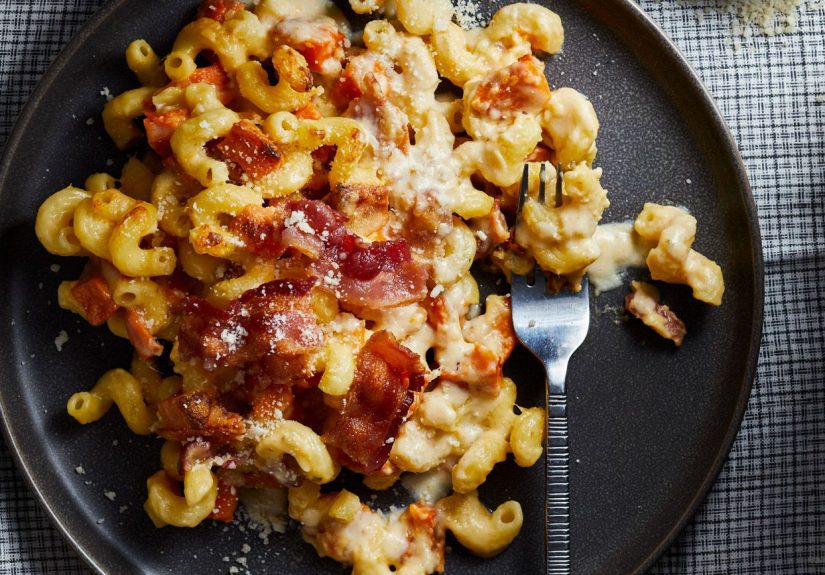
Elbows are classic, but shapes with ridges and curves (cavatappi, cellentani, shells) give sauce more
places to cling. If your pasta looks like a tiny water slide park, you’re in the right neighborhood.
2) Cook pasta just shy of done
Pasta keeps cooking after you drain itespecially in baked mac. Stop 1–2 minutes early. You want “almost
al dente,” not “I can hear it squishing.”
3) Control heat like you’re defusing a cheese bomb
Cheese sauces break when overheated (grainy, oily, heartbreak). Keep the sauce at a gentle simmer and
melt cheese off the heat or on very low heat. If it’s bubbling like a jacuzzi, it’s too hot.
4) Build stability: roux, evaporated milk, cornstarch, or (optional) sodium citrate
- Roux (butter + flour) thickens milk into a béchamel base that holds cheese smoothly.
- Evaporated milk helps emulsify melted cheese into a creamy sauce fast.
- Cornstarch can stabilize cheese so it stays silky instead of stringy or greasy.
- Sodium citrate (optional) is a common emulsifying salt that creates a glossy, ultra-smooth sauce.
5) Choose cheeses for melt + flavor (not just vibes)
Great mac uses a blend: one cheese for big flavor (sharp cheddar), one for meltability (fontina, Monterey
Jack), and one for depth (Gruyère, Parmesan). And yes, freshly grate itpre-shredded cheese is often coated
with anti-caking agents that can make sauce less smooth.
Recipe 1: 15-Minute “Zero Drama” Stovetop Mac (Evaporated Milk Method)
This is the weeknight hero: fast, creamy, and shockingly luxurious for how simple it is. Evaporated milk
helps your cheese melt into a stable, velvety sauce without a full béchamel.
Ingredients (Serves 2–3)
- 8 oz elbow macaroni (or shells)
- 1 tsp kosher salt (plus more for pasta water)
- 1 (12 oz) can evaporated milk (you’ll use about 1 to 1 1/4 cups)
- 8 oz freshly grated cheddar (mild or medium melts extra smoothly)
- Optional: 1/4 tsp mustard powder, 1–2 tsp hot sauce, black pepper
- Optional: 1 Tbsp butter (for extra gloss)
Directions
- Boil pasta in salted water until just shy of al dente. Drain, but don’t rinse.
- Return pasta to the warm pot over low heat. Pour in about 1 cup evaporated milk.
- Add cheese in handfuls, stirring between additions. Keep heat low so the sauce stays smooth.
- Adjust thickness: add a splash more evaporated milk for looser sauce, or simmer 30–60 seconds to thicken.
- Season with mustard powder and hot sauce (optional, but it makes the cheese flavor “pop”). Finish with butter if desired.
Why It Works (Gooey Analysis)
Evaporated milk has less water than regular milk, which helps melted cheese emulsify into a creamy sauce
instead of separating. Adding the cheese graduallyand keeping the heat gentlekeeps the proteins from
tightening up and turning grainy.
Make It Your Own
- Smoky: swap 2 oz cheddar for smoked gouda.
- Green-light dinner: stir in peas, broccoli florets, or baby spinach at the end.
- Crunch factor: top bowls with toasted panko or crushed crackers.
Recipe 2: Creamy Baked Mac with Buttery Crunch Top (Classic Béchamel Bake)
This is the casserole-dish classic: creamy inside, golden on top, and sturdy enough for potlucks.
A béchamel base gives you a dependable sauce that reheats well without turning into cheese cement.
Ingredients (Serves 6–8)
- 1 lb cavatappi or elbows
- 6 Tbsp butter, divided
- 1/4 cup all-purpose flour
- 3 1/2 cups warm whole milk
- 1 tsp Dijon mustard (or 1/2 tsp mustard powder)
- 1/2 tsp garlic powder (optional)
- 3 cups grated sharp cheddar
- 1 1/2 cups grated Gruyère (or fontina)
- Salt + black pepper
- 1 cup panko or torn white bread pieces
Directions
- Heat oven to 375°F. Butter a 9×13-inch baking dish.
- Boil pasta 1–2 minutes short of al dente. Drain and set aside.
- Make béchamel: melt 4 Tbsp butter over medium heat. Whisk in flour; cook 1–2 minutes until lightly golden.
- Slowly whisk in warm milk. Simmer 2–4 minutes until thick enough to coat a spoon.
- Turn heat to low. Stir in mustard, seasoning, then add cheeses gradually until smooth.
- Combine pasta + sauce. Pour into dish. Toss panko/bread with remaining 2 Tbsp melted butter and sprinkle on top.
- Bake 25–30 minutes until bubbling. Rest 5–10 minutes before serving (the sauce sets and gets even gooier).
Why It Works (Gooey Analysis)
The roux thickens the milk so the sauce has structure. Adding cheese on low heat prevents curdling.
Resting after baking lets the sauce settle into that “pull-apart” creaminess instead of running everywhere.
Pro Upgrade Options
- Extra depth: add a pinch of nutmeg and a dash of cayenne.
- More goo: add 2–4 oz Monterey Jack for meltability.
- Top-tier crunch: mix panko with a tablespoon of Parmesan.
Recipe 3: Buffalo Chicken Mac and Cheese (Spicy, Tangy, Ridiculously Cozy)
Imagine Buffalo chicken dip and mac and cheese had a delicious, messy friendship. You get tangy heat,
creamy sauce, and optional blue cheese for the people who like living on the edge.
Ingredients (Serves 6)
- 12 oz elbows or shells
- 4 Tbsp butter
- 1/4 cup flour
- 3 cups milk
- 2–4 Tbsp Buffalo-style hot sauce (start small; you can always add more)
- 2 cups shredded cooked chicken (rotisserie is perfect)
- 2 cups shredded cheddar
- 1 1/2 cups Monterey Jack (or mozzarella for extra pull)
- Optional: 1/3 cup ranch dressing or 2 Tbsp sour cream
- Optional: blue cheese crumbles + sliced scallions for topping
- Salt, pepper
Directions (Stovetop or Quick Bake)
- Cook pasta slightly under al dente; drain.
- Make sauce: melt butter, whisk in flour for 1 minute, then whisk in milk. Simmer until thickened.
- Stir in hot sauce and (optional) ranch/sour cream for tangy richness.
- Lower heat and melt cheeses in gradually. Fold in chicken and pasta.
- Serve stovetop (ultra gooey) or bake at 375°F for 10–15 minutes to bubble the top.
- Finish with scallions and blue cheese if you’re feeling bold and/or invited to the party again.
Why It Works (Gooey Analysis)
A classic milk-and-roux sauce gives stability, while Monterey Jack (or mozzarella) boosts meltability for
that stretchy, gooey texture. Buffalo sauce adds acidity and punchbalanced by creamy dairy.
Heat-Level Hacks
- Mild: 2 Tbsp hot sauce + extra cheddar.
- Medium: 3–4 Tbsp hot sauce + add pepper jack.
- Hot: add cayenne, and keep a glass of milk on standby like a responsible adult.
Recipe 4: Ultra-Silky Three-Cheese Mac (Optional Sodium Citrate “Restaurant Gooey”)
If you’ve ever wondered why some restaurant mac feels impossibly smoothlike the sauce was engineered by
a dairy scientist with a heart of goldthis is the vibe. You can make it with standard techniques, but the
optional sodium citrate method produces a glossy, stable sauce that stays creamy even when reheated.
Ingredients (Serves 4–6)
- 12 oz cavatappi or shells
- 1 1/2 cups water (or light beer for a malty twist)
- 1 cup milk (or evaporated milk for extra stability)
- Optional (ultra-silky): 1 1/2 to 2 tsp sodium citrate
- 8 oz sharp cheddar, grated
- 6 oz Gruyère, grated
- 4 oz fontina (or Monterey Jack), grated
- 1/2 tsp mustard powder
- Salt + pepper
- Optional: roasted garlic, caramelized onions, or crispy bacon
Directions
- Boil pasta until just shy of al dente; drain.
- In the same pot, combine water + milk. Whisk in sodium citrate if using. Warm over medium-low until steaming.
- Add cheeses gradually, whisking until glossy and smooth.
- Stir in mustard powder, pepper, and taste for salt.
- Add pasta back in and fold until every curve is coated. Add-ins go in now (roasted garlic is especially elite).
- Optional bake: pour into a dish and bake at 375°F for 10 minutes for a bubbly finish.
Why It Works (Gooey Analysis)
Sodium citrate acts like a peace treaty between water and melted cheese, keeping the sauce emulsified and
silky. Even without it, using a blend of melty cheeses (fontina/Jack) with flavorful cheeses (cheddar/Gruyère)
builds the ideal texture: creamy, stretchy, and spoon-clinging.
Gooey Troubleshooting: Fix It Before You Panic
My sauce looks grainywhat happened?
Usually: too much heat or adding cheese too fast. Take it off the heat, whisk gently, and add a splash of
warm milk or evaporated milk. Next time, melt cheese on low heat and add it in handfuls.
My mac is thick and clumpy the next day. Is it ruined?
Not at all. Reheat slowly with a splash of milk, stirring often. For baked mac, cover with foil and warm
at 325°F so it heats evenly without drying out.
How do I make it extra gooey without making it soupy?
Use a cheese blend: cheddar for flavor + a high-melt cheese (Jack/fontina) for texture. Also, don’t overbake:
bake just until bubbling, then rest. Overbaking can tighten the sauce.
Conclusion: Your New Mac-and-Cheese Reputation Starts Now
Gooey mac and cheese isn’t luckit’s technique. Keep the heat gentle, choose cheeses that melt like champs,
and pick the recipe style that matches your mood: lightning-fast stovetop, golden baked classic, spicy Buffalo,
or ultra-silky “restaurant gooey.” Once you nail the basics, the variations are endlessand your future self
will thank you at approximately 9:17 p.m. on a random Tuesday.
of Real-World “Mac and Cheese Experiences” (What People Notice When They Make These)
Here’s a funny thing about mac and cheese: everyone thinks they’re chasing “more cheese,” but most home cooks
are actually chasing better texture. The first time someone tries the evaporated milk stovetop method,
the most common reaction is a little disbeliefbecause the sauce comes together so quickly that it feels like
you skipped a step. That’s the point. When the sauce turns glossy in the pot, it’s a small kitchen victory that
makes you want to announce, “I have unlocked a life skill,” even if the only witness is your spatula.
Another frequent experience: people overcorrect. After one too many dry baked macs in life, it’s tempting to
drown pasta in sauce. But the best batches happen when the cook stops cooking the pasta early and trusts the
rest time after baking. That 5–10 minute pause feels like torturethere’s bubbling cheese in front of you, and
you’re being asked to “wait.” Yet that pause is when the sauce thickens into the gooey, scoopable texture that
makes baked mac feel luxurious instead of runny. It’s the culinary equivalent of letting paint dry: boring, but
the difference is obvious the second you take a bite.
Buffalo chicken mac tends to create a different kind of moment: a room-wide “What is that smell?” followed by
immediate interest. The tang of hot sauce in warm cheese has a way of turning casual snacking into full-on
commitment. People often realize they like Buffalo flavor more than they expected because the cheese softens
the heat and makes it feel cozy instead of aggressive. It’s also the recipe that teaches portion humility. The
bowl looks reasonable. Then you take a few bites and suddenly you’re defending your leftovers like a dragon
guarding treasure.
The ultra-silky method (especially with sodium citrate) tends to spark curiosity. Cooks usually notice two things:
the sauce stays smooth longer, and it reheats with fewer “why is it grainy?” surprises. That’s a big deal in real
life, because mac and cheese is rarely eaten in a single sittingthere’s almost always a “next-day situation.”
When reheated mac stays creamy, it feels like you beat the system. Even without sodium citrate, many people learn
the same key lesson: heat control matters more than stirring intensity. You can whisk like you’re training for
the Olympics, but if the pot is too hot, the sauce still misbehaves.
Finally, once someone makes a truly gooey batch, they almost always start tweaking: switching noodles, mixing
cheeses, adding mustard powder, trying a crunchy topping. Mac and cheese becomes a “signature dish” surprisingly
fast, because the baseline formula is flexible and forgiving. The experience isn’t just eating comfort foodit’s
realizing you can create it on purpose, consistently, whenever life needs a little extra coziness.