Table of Contents >> Show >> Hide
- What “Pampering Your Brain” Really Means (No Spa Robe Required)
- Food #1: Fatty Fish (Salmon, Sardines, Trout)
- Food #2: Berries (Especially Blueberries and Strawberries)
- Food #3: Leafy Greens (Spinach, Kale, Collards, Romaine)
- Food #4: Walnuts (A Brain-Friendly Crunch With Actual Evidence)
- Put the 4 Foods Together: A “Pampered Brain” Sample Day
- What to Limit (Because Your Brain Also Notices the “Food Drama”)
- FAQ: Quick, Honest Answers
- Conclusion: Treat Your Brain Like It’s On Your Team (Because It Is)
- Real-World Experiences: Making “Brain Foods” Stick (Extra ~)
Your brain is basically the CEO of your body. It runs the meetings (thinking), schedules the projects (planning), handles customer service (emotions),
and somehow still remembers the lyrics to a song you haven’t heard since middle school. If any organ deserves a little pampering, it’s the one doing
all that without ever taking a lunch break.
The good news: you don’t need a complicated “biohacker” grocery list or a blender that sounds like a jet engine. You need a few repeatable, evidence-based
foods that show up again and again in brain-healthy eating patterns (like Mediterranean-style and MIND-style approaches) because they deliver what the brain loves:
healthy fats, antioxidants, fiber, and key vitamins and minerals.
In this article, we’ll spotlight four foods that are both science-friendly and real-life friendly. You’ll get the “why it helps,” the “how to eat it,”
and the “please don’t ruin it by deep-frying everything” practical tips.
What “Pampering Your Brain” Really Means (No Spa Robe Required)
When people talk about “brain foods,” they’re usually pointing to foods that support:
- Blood flow: The brain needs steady oxygen and nutrients to stay sharp.
- Cell structure: Brain cells are built from fats and proteins, and the right fats matter.
- Lower inflammation and oxidative stress: Think “less internal rust,” more smooth performance.
- Neurotransmitter support: The chemical messengers involved in mood, focus, and sleep.
No single food guarantees a photographic memory or makes you fluent in French overnight. But consistent eating patterns that emphasize plant foods, healthy fats,
and minimally processed meals are linked with better brain outcomes over time. The “pampering” is really about stacking small advantages every day.
Food #1: Fatty Fish (Salmon, Sardines, Trout)
Why your brain loves it
Fatty fish are rich in omega-3 fatty acids (especially DHA and EPA). DHA is a major structural fat in the brain, meaning it’s literally part of the
“building materials” for brain cell membranes. Omega-3s are also associated with brain-supportive effects related to inflammation and vascular health.
Another practical perk: choosing fish a couple times a week often replaces less brain-friendly options (like ultra-processed meats or fried fast food),
which can be a sneaky upgrade without “dieting.”
How much is “brain-friendly”?
A common, realistic target is two servings per week (think: two palm-sized portions), choosing lower-mercury options when possible.
If you’re pregnant, nursing, or feeding kids, it’s smart to follow official guidance on fish choices and serving sizes.
Easy ways to eat more fish (without crying into a tuna sandwich)
- Sheet-pan salmon: Toss salmon and veggies with olive oil, salt, pepper, garlic, and lemon. Bake and pretend you’re a meal-prep influencer.
- Sardine toast: Sounds suspicious. Tastes great. Mash sardines with a little mustard or yogurt, add lemon, pile onto whole-grain toast.
- “Lazy” fish tacos: Use canned salmon, add cabbage slaw, avocado, and salsa.
- Freezer-friendly: Frozen salmon or trout can be cheaper and just as useful nutritionally.
Not into fish?
You can still support the “healthy fats” theme with walnuts, chia, flax, and certain fortified foods. Some people also consider algae-based omega-3 options.
If supplements are on your radar, talk with a clinicianespecially if you take blood thinners or have a medical condition.
Food #2: Berries (Especially Blueberries and Strawberries)
Why your brain loves them
Berries are loaded with antioxidants and plant compounds (like anthocyanins in blueberries) that are studied for their potential role in supporting
brain function. In plain English: they’re like tiny edible bodyguards that help protect cells from wear-and-tear.
Berries also fit beautifully into brain-supportive eating patterns because they’re nutrient-dense and naturally sweetmeaning they can help satisfy
dessert cravings without turning your daily menu into a sugar theme park.
How to make berries a habit (not a “special occasion”)
- Buy frozen: Often cheaper, lasts longer, and works perfectly in oatmeal, smoothies, and yogurt.
- Berry “sprinkle” strategy: Add a handful to whatever you already eatcereal, cottage cheese, pancakes, chia pudding.
- Snack upgrade: Pair berries with nuts for a satisfying combo of fiber + healthy fats.
- Hydration helper: Berries have water content, which doesn’t hurt when your brain is begging for more fluids.
Quick brain-friendly bowl (2 minutes)
In a bowl: Greek yogurt + frozen blueberries + chopped walnuts + cinnamon. If you want extra crunch, add unsweetened granola or oats.
It’s basically a “brain parfait,” minus the dramatic French pronunciation.
Food #3: Leafy Greens (Spinach, Kale, Collards, Romaine)
Why your brain loves them
Leafy greens show up constantly in brain-health discussions because they’re packed with nutrients associated with cognitive support:
vitamin K, folate, lutein, and beta carotene, among others. They also bring fiber, which supports overall metabolic and cardiovascular health
a big deal because what helps your heart often helps your brain, too.
How to eat more greens without feeling like a rabbit
- Do the “two-handful rule”: Add two big handfuls of spinach to soups, pasta, eggs, or rice bowls. It shrinks like magic.
- Frozen greens are underrated: Frozen spinach or kale can be tossed into sauces and stews with zero chopping.
- Upgrade sandwiches: Swap iceberg for darker greens, add tomato, and drizzle olive oil + vinegar.
- Green smoothie (that doesn’t taste like lawn clippings): Spinach + berries + banana + milk/soy milk + peanut butter.
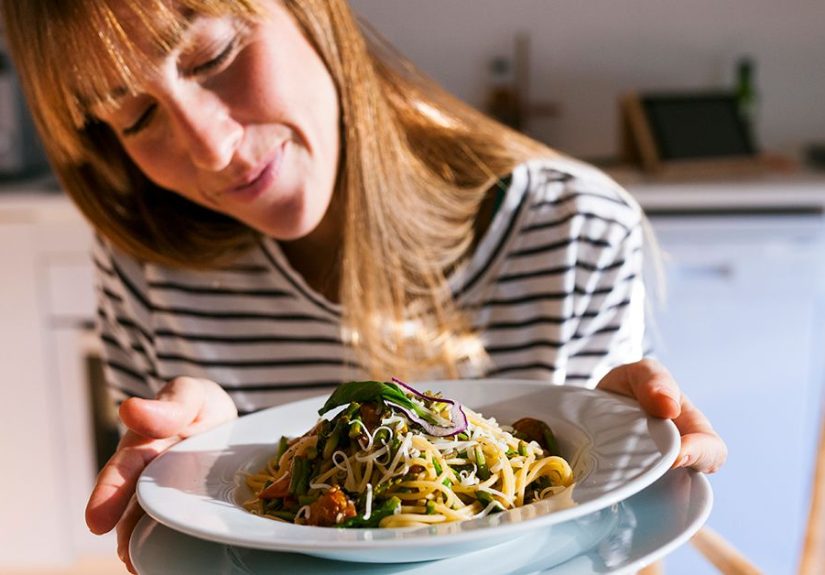
Simple dinner idea: “Greens-first” pasta
Sauté garlic in olive oil, add a mountain of spinach, then toss with whole-grain pasta, white beans, lemon zest, and parmesan. It’s cozy, fast,
and your brain gets the nutrients while you get the comfort.
Food #4: Walnuts (A Brain-Friendly Crunch With Actual Evidence)
Why your brain loves them
Walnuts are rich in plant-based omega-3s (ALA) and provide antioxidants and vitamin E. They’re also an easy way to add healthy fats and protein
to snacks and mealshelpful for steadier energy and fewer “why am I suddenly starving at 3:17 p.m.?” moments.
Research has linked higher walnut consumption with better performance on certain cognitive tests in observational studies. Translation: walnuts aren’t magic,
but they’ve earned their reputation as legitimate “brain food.”
How much to eat (without accidentally consuming 1,200 calories)
A practical serving is about 1 ounce (roughly a small handful). Walnuts are nutrient-dense, so a little goes a long way.
Ways to use walnuts that don’t feel like “just snacking”
- Breakfast: Add to oatmeal with berries and cinnamon.
- Salad upgrade: Walnuts + apples or berries + feta + olive oil vinaigrette.
- Walnut “parm”: Pulse walnuts with garlic, a bit of parmesan, and herbs for a sprinkle topping.
- Pesto remix: Use walnuts instead of pine nuts (your wallet will thank you).
Pro tips
Choose unsalted when possible, and store walnuts in the fridge or freezer to keep them fresh longer. If you have nut allergies,
obviously skip this and choose other healthy fats (like olive oil, seeds, or avocado).
Put the 4 Foods Together: A “Pampered Brain” Sample Day
Here’s what a realistic, non-extreme day could look like:
- Breakfast: Oatmeal topped with blueberries and walnuts.
- Lunch: Big salad with leafy greens, veggies, olive oil dressing, and leftover salmon (or canned salmon).
- Snack: Greek yogurt with mixed berries or a handful of walnuts.
- Dinner: Sheet-pan salmon with roasted veggies and a side of sautéed spinach.
Notice what’s missing? Complicated rules. You’re just repeating a few high-impact foods in different forms until it becomes normal.
What to Limit (Because Your Brain Also Notices the “Food Drama”)
Brain-friendly eating is not only about what you addit’s also about what you don’t let dominate your plate.
Diets high in ultra-processed foods, added sugars, and unhealthy fats can work against long-term brain and cardiovascular health.
You don’t need perfection. Try a simple approach: crowd out the less helpful stuff by consistently eating the helpful stuff first.
When you’re fuller from fiber, protein, and healthy fats, the “I could eat an entire sleeve of cookies” urge tends to calm down.
FAQ: Quick, Honest Answers
How fast will I “feel” a difference?
Some people notice steadier energy and fewer cravings within a couple weeks when they swap in more whole foods. Memory and long-term brain protection
are more of a “months and years” situation. The goal is consistent nourishment, not overnight superhero powers.
Do I have to follow a strict diet like MIND or Mediterranean?
Not at all. Those patterns are useful because they’re research-supported frameworks. But you can borrow the best partslike berries, greens, fish, and nuts
without labeling your life.
What if I’m on a budget?
Use frozen berries and greens, buy canned salmon or sardines, and choose store-brand walnuts. Brain health doesn’t require luxury groceries.
Is coffee a brain food?
Coffee and tea often show up in brain health conversations because of caffeine and antioxidants. But since this article is about four specific foods,
consider coffee a “supporting actor,” not the main character.
Real-World Experiences: Making “Brain Foods” Stick (Extra ~)
Here’s the part nobody tells you: the best brain-healthy foods aren’t the “perfect” ones. They’re the ones people actually keep eating after the excitement
of a new habit wears off. In real life, brain-friendly eating usually succeeds for one of two reasons: it’s convenient, or it’s delicious (ideally both).
Experience #1: The “Monday Brain Fog” Reset
A common pattern is the Monday slumpsleep schedule slightly off, weekend meals a little chaotic, and suddenly focus feels like trying to hold water in your hands.
People who do best here don’t overhaul everything. They pick one anchor meal: oatmeal topped with frozen blueberries and walnuts. It’s fast, warm, and doesn’t require
heroic motivation. After a week or two, many notice fewer mid-morning crashes because the meal has fiber and healthy fats instead of a sugar spike followed by regret.
Experience #2: “I Don’t Like Fish” (Until It Stops Tasting Like Fish)
Fish is the food a lot of people want to want, but don’t. The turning point is often texture and smell, not the concept of fish itself. In practice, folks tend to
succeed when they start with milder options (like salmon) and strong flavor helpers (lemon, garlic, herbs, a yogurt sauce). Another real-world hack is the “camouflage method”:
using canned salmon in tacos or mixing it into a bowl with rice, greens, and a bold sauce. When fish becomes “one component” instead of the entire experience,
it feels less intimidating and more like a normal dinner.
Experience #3: The Snack Problem (Solved With Crunch)
Many people don’t struggle with mealsthey struggle with snacks. The afternoon snack is where good intentions go to die, usually because the brain is tired and wants quick energy.
Walnuts and berries are surprisingly effective here because they hit different cravings: walnuts give the salty crunch satisfaction, and berries bring sweetness without going
full candy-mode. A small handful of walnuts plus a bowl of berries (or yogurt with both) often replaces the “I accidentally ate chips straight from the bag” situation.
The goal isn’t snack purity; it’s snack strategy.
Experience #4: Greens That Don’t Feel Like Punishment
Leafy greens fail when they’re treated like a chore. They succeed when they’re treated like an ingredient you can sneak into everything. People who build a greens habit
often start with spinach because it’s mild and disappears into hot food. Toss it into pasta, stir it into soups, fold it into eggssuddenly you’re eating greens
without feeling like you’re chewing on a salad you didn’t ask for. Frozen spinach is also a secret weapon: cheap, always ready, and it doesn’t rot in the back of the fridge
while you whisper “I’ll make smoothies tomorrow” for a week straight.
What These Experiences Have in Common
The “wins” aren’t dramatic. They’re boring in the best way. Repeatable breakfasts. Two fish meals a week that are actually tasty. Snacks that don’t lead to a sugar crash.
Greens that blend into your real meals. Over time, those small moves add up to a diet pattern that looks a lot like what research-backed approaches recommendwithout you having
to live by a rigid rulebook.
If you take one lesson from real life, make it this: choose the easiest version of each brain food first. Frozen berries. Bagged greens. Canned fish. Pre-chopped walnuts.
Convenience isn’t “cheating.” It’s how habits survive.