Table of Contents >> Show >> Hide
- How to Pick Spring Flowers That Won’t Ghost You
- The List: 34 Spring Flowers to Add to Your Garden
- 1. Snowdrops (Galanthus)
- 2. Winter Aconite (Eranthis hyemalis)
- 3. Crocus (Crocus spp.)
- 4. Glory-of-the-Snow (Chionodoxa)
- 5. Siberian Squill (Scilla siberica)
- 6. Dwarf Iris (Iris reticulata)
- 7. Grape Hyacinth (Muscari)
- 8. Hyacinth (Hyacinthus orientalis)
- 9. Daffodil (Narcissus)
- 10. Tulip (Tulipa)
- 11. Fritillaria (Fritillaria spp.)
- 12. Ornamental Allium (Allium spp.)
- 13. Hellebore / Lenten Rose (Helleborus)
- 14. Primrose (Primula)
- 15. Pasque Flower (Pulsatilla vulgaris)
- 16. Bleeding Heart (Dicentra spectabilis)
- 17. Lungwort (Pulmonaria)
- 18. Brunnera (Brunnera macrophylla)
- 19. Virginia Bluebells (Mertensia virginica)
- 20. Trillium (Trillium grandiflorum and others)
- 21. Columbine (Aquilegia)
- 22. Creeping Phlox (Phlox subulata)
- 23. Candytuft (Iberis sempervirens)
- 24. Jacob’s Ladder (Polemonium)
- 25. Peony (Paeonia)
- 26. Bearded Iris (Iris germanica)
- 27. Pansy and Viola (Viola × wittrockiana; Viola spp.)
- 28. Snapdragons (Antirrhinum majus)
- 29. Sweet Alyssum (Lobularia maritima)
- 30. Calendula (Calendula officinalis)
- 31. Dianthus (Dianthus spp.)
- 32. Forget-Me-Not (Myosotis sylvatica)
- 33. Forsythia
- 34. Lilac (Syringa)
- How to Combine These Flowers Like a Pro (Without a Pro Budget)
- of Real-World Spring Flower Experiences (The Stuff Guides Don’t Always Tell You)
- Conclusion
Spring has a way of making gardeners act like they just discovered color for the first time. One day it’s gray, windy, and your yard looks like a
soggy cardboard box. The next daybamtiny blooms pop up like nature’s confetti cannons. If you want that “wow, it’s finally spring!” feeling on
repeat, the trick is simple: plant a mix of spring-flowering bulbs, dependable perennials, and a few
cool-season annuals for instant gratification.
This guide covers 34 spring favoritesearly bloomers that push through chilly weather, mid-spring classics that anchor beds for years, and a couple
of flowering shrubs that turn your yard into the kind of place neighbors “just happen” to walk by. (Totally for exercise. Definitely not to stare at
your tulips.)
How to Pick Spring Flowers That Won’t Ghost You
Before you adopt 34 new plant “children,” make sure your garden can support their habits. Focus on three basics:
sunlight (full sun vs. part shade), drainage (spring bulbs hate soggy feet), and
timing (mix early, mid, and late spring bloomers for a longer show).
Bulb success in one sentence
For many spring-flowering bulbs, plant them about 2–3 times as deep as the bulb is tall (and adjust slightly for sandy or clay
soil). Then water well at planting and let seasonal rain do most of the rest.
Design tip that looks “effortless” (even though it’s secretly smart)
Plant bulbs in groupsnot lonely singlesso color reads from a distance. Aim for drifts, clusters, and repeating pockets. Your
future self will call you a genius. Your neighbors will call you “talented.” You can accept both compliments.
The List: 34 Spring Flowers to Add to Your Garden
Use this as a mix-and-match menu. You don’t need all 34unless you’re trying to build a spring garden so cheerful it becomes a public service.
1. Snowdrops (Galanthus)
One of the earliest bloomers, often appearing while winter is still negotiating its exit. Snowdrops naturalize over time, creating sweet little
white drifts. Best in part shade with rich soilthink woodland edges and under deciduous trees.2. Winter Aconite (Eranthis hyemalis)
Tiny yellow “buttons” that shine like mini suns in late winter to very early spring. Plant in clusters where you’ll see them from a window,
because their main talent is cheering you up when everything else looks bleak.3. Crocus (Crocus spp.)
Crocus is the classic early spring wake-up call. Short, bright, and surprisingly loud for such a small flower. Great in lawns (where you can
delay mowing) and along paths. Choose a mix of varieties to stretch bloom time.4. Glory-of-the-Snow (Chionodoxa)
Starry blue, pink, or white flowers that look delicate but are tougher than they appear. Great for naturalizing, especially in rock gardens or
along borders. A solid “plant it once and enjoy it forever” pick.5. Siberian Squill (Scilla siberica)
If you want blue in early spring, squill deliversoften in cheerful carpets. It naturalizes readily, so place it where you’ll welcome more over
time. Looks magical beneath trees and along woodland paths.6. Dwarf Iris (Iris reticulata)
Early, jewel-toned blooms with that unmistakable iris flairjust in a pocket-size package. Perfect near walkways where you can appreciate the
intricate markings up close. Plant in well-drained soil and full sun to part sun.7. Grape Hyacinth (Muscari)
Blue-purple clusters that look like tiny grape bunches (hence the namegardening is very literal sometimes). Muscari is reliable, easy to
naturalize, and excellent as a “filler” between larger bulbs like tulips and daffodils.8. Hyacinth (Hyacinthus orientalis)
A spring bulb with strong fragrance and thick flower spikes in candy colors. Plant near doors, patios, or anywhere you’ll walk bybecause the
scent is half the point. In warmer areas, pre-chilling may be needed for best blooms.9. Daffodil (Narcissus)
Spring’s most dependable overachiever. Daffodils return yearly, come in many sizes and bloom windows, and are famously less appealing to hungry
wildlife than some other bulbs. Mix early, mid, and late varieties for a longer season.10. Tulip (Tulipa)
Tulips are the runway models of springdramatic, colorful, and sometimes a little high-maintenance depending on your climate. For longer-lasting
success, consider species tulips or treat some hybrids as “replant each fall” stars.11. Fritillaria (Fritillaria spp.)
The quirky choice that makes your garden look curated. Some types have nodding, checkered bells; others have tall, crown-like blooms. Give
fritillaria excellent drainage and avoid overly wet spring soils.12. Ornamental Allium (Allium spp.)
Globe-shaped blooms that float above beds like garden fireworks. Alliums bridge late spring into early summer, pair beautifully with tulips, and
add architectural drama. Plant in full sun for sturdy stems and best flowering.13. Hellebore / Lenten Rose (Helleborus)
A shade-garden hero that blooms when most plants are still “loading.” Hellebores offer long-lasting flowers in muted, elegant tones and evergreen
or semi-evergreen foliage in many regions. Great under trees and along shady foundations.14. Primrose (Primula)
Bright, happy, classic spring colorespecially in cooler climates. Primroses love moisture-retentive, well-drained soil and part shade. Plant
them where you’ll see them daily, because primrose is basically a mood booster with petals.15. Pasque Flower (Pulsatilla vulgaris)
Silky buds, delicate blooms, and fuzzy seed headsthis plant brings texture as well as color. It’s drought-tolerant once established and prefers
full sun and well-drained soil. A smart pick for rock gardens and sunny edges.16. Bleeding Heart (Dicentra spectabilis)
Romantic, heart-shaped flowers that dangle from arching stems in spring. Bleeding heart shines in part shade and rich soil. It often fades back
after blooming, so pair it with later-emerging plants (like hostas) to fill the gap.17. Lungwort (Pulmonaria)
Under-rated and wildly useful: early spring flowers plus gorgeous spotted foliage that looks good long after the blooms are done. Lungwort does
best in part shade with consistent moisture. Bees appreciate it early in the season.18. Brunnera (Brunnera macrophylla)
Tiny blue flowers that resemble forget-me-nots, paired with big, heart-shaped leavesoften silver-variegated. Brunnera is excellent in shady
borders and woodland gardens. It’s a “quiet luxury” plant: subtle, classy, dependable.19. Virginia Bluebells (Mertensia virginica)
A native woodland favorite with nodding, bell-shaped blooms that shift from pink buds to blue flowers. Like many spring ephemerals, it blooms,
delights, then fades back. Plant with ferns or later perennials so the bed still looks full.20. Trillium (Trillium grandiflorum and others)
The signature wildflower look: three petals, three leaves, and instant woodland vibes. Trilliums prefer shady, humus-rich soil and patiencethey
can be slow to establish, but they’re worth the wait if you love naturalistic gardens.21. Columbine (Aquilegia)
Airy, whimsical blooms that come in a wide color range and often self-sow gently. Columbine bridges spring into early summer and attracts
pollinators. It’s great in cottage gardens, woodland edges, and mixed borders with a relaxed style.22. Creeping Phlox (Phlox subulata)
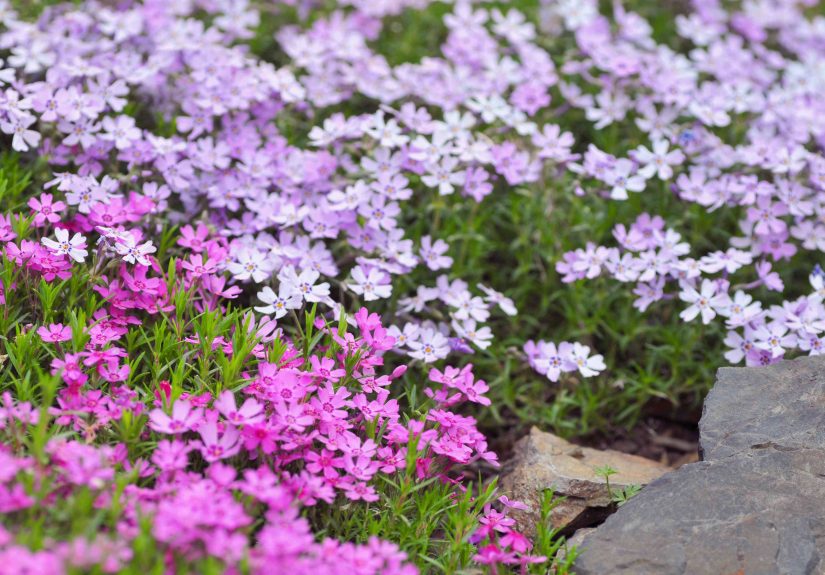
A spring groundcover that turns into a flowering carpetpink, purple, blue, or whitethen stays as a tidy mat. Ideal for slopes, rock walls, and
the front edge of sunny beds. Trim lightly after bloom to keep it neat.23. Candytuft (Iberis sempervirens)
Bright white blooms in spring and evergreen foliage in many climatescandytuft is a border workhorse. It loves full sun and well-drained soil,
and it looks especially crisp along pathways or as a clean edge in mixed plantings.24. Jacob’s Ladder (Polemonium)
Soft blue flowers and ferny, ladder-like foliage that adds a delicate texture to shady or part-shade gardens. It’s a great “middle layer” plant
between groundcovers and taller perennials. Keep soil evenly moist for best performance.25. Peony (Paeonia)
Late spring’s big, glorious headline actlush blooms that can live for decades. Peonies want sun (usually full sun, with a bit of afternoon shade
in hotter areas), good airflow, and patience. Once established, they’re wonderfully low-drama.26. Bearded Iris (Iris germanica)
Bold flowers, sword-like leaves, and major “grandma’s garden” charm (in the best way). Bearded iris likes full sun and excellent drainage. Plant
rhizomes shallowly so they don’t rot, and divide clumps when flowering slows.27. Pansy and Viola (Viola × wittrockiana; Viola spp.)
Cool-weather champs that laugh at frosty nights more than most flowers dare. Perfect for early spring containers and borders. Deadhead for longer
bloom, and don’t be surprised if they perk back up after a cold snap like nothing happened.28. Snapdragons (Antirrhinum majus)
Spiky flower towers that add height early in the season and can handle cooler weather better than many annuals. Use them as spring “vertical
accents” in beds or pots. They’re also great for beginner cut-flower bouquetsno fancy skills required.29. Sweet Alyssum (Lobularia maritima)
A low, fragrant filler that softens edges and spills nicely from containers. Sweet alyssum is excellent under taller plants, and it can bloom for
ages in mild conditions. Think of it as the friendly supporting actor that makes everything else look better.30. Calendula (Calendula officinalis)
Cheerful daisy-like flowers in warm yellows and oranges that thrive in cool spring weather. Calendula is easy from seed and fits well in mixed
beds, cutting gardens, and even veggie plots. Bonus: it looks “sunny” even on gloomy days.31. Dianthus (Dianthus spp.)
Clove-scented blooms and tidy, grassy foliagedianthus brings color early and often. Many types bloom in spring and can repeat later with
deadheading. Use it along sunny borders, rock gardens, or anywhere you want neat structure plus sweet fragrance.32. Forget-Me-Not (Myosotis sylvatica)
Tiny blue blooms that read as a soft haze of color in spring. Often grown as a biennial, it self-seeds easily, which is either “free plants” or
“polite chaos,” depending on your gardening mood. Lovely with tulips and daffodils.33. Forsythia
The “yellow fireworks” shrub that screams SPRING in all caps. Forsythia blooms early and is especially effective as a hedge or backdrop behind
bulbs. Prune right after flowering so you don’t accidentally remove next year’s buds. (Yes, shrubs hold grudges.)34. Lilac (Syringa)
Fragrance, nostalgia, and clusters of blooms that feel like spring’s grand finale. Lilacs love sun and good airflow. Prune shortly after bloom so
the plant has time to set buds for the following year. If you want a yard that smells like happiness, start here.
How to Combine These Flowers Like a Pro (Without a Pro Budget)
Build a “relay race” of bloom
Start with the earliest bulbs (snowdrops, crocus), hand off to mid-season bulbs (daffodils, tulips, hyacinths), then let perennials and shrubs take
over (hellebores, bleeding heart, peonies, lilacs). The goal is continuous color, not one big week of glory followed by six weeks of “well… that was
nice.”
Hide bulb foliage the sneaky way
Bulbs need their leaves after flowering to recharge for next year. Instead of cutting foliage early, disguise it. Plant bulbs among perennials like
brunnera, lungwort, hosta (later), or groundcovers like creeping phlox so the bed stays attractive while bulbs do their behind-the-scenes work.
Containers: the shortcut to instant spring
Pots are perfect for cool-season annuals (pansies, alyssum, snapdragons). You can also layer bulbs in containers for a longer showsmaller bulbs near
the top, larger bulbs deeperso blooms appear in sequence. It’s basically meal-prep, but for flowers.
of Real-World Spring Flower Experiences (The Stuff Guides Don’t Always Tell You)
Spring gardening is equal parts joy and plot twists. One of the first “aha” moments many gardeners have is that timing isn’t just about flowersit’s
about weather mood swings. A warm week can push bulbs up early, followed by a surprise cold snap that makes everything look temporarily
unimpressed. The good news: most established spring bulbs and cool-season annuals bounce back just fine. The better news: you’ll learn to stop
panicking after every chilly night and start thinking like a calm, slightly smug plant parent.
Another common experience: you will become emotionally invested in tiny green shoots. At some point you will whisper, “Come on, little buddy,” to a
crocus like it’s an athlete in the final seconds of a championship game. You’ll also learn the value of planting in clusters. A
single tulip looks like you dropped a crayon in the soil. A group of twelve looks like you planned your entire life around beauty. Same effort.
Totally different vibe.
Wildlife lessons arrive quickly. If deer or rodents are common in your area, tulips and crocus can become an all-you-can-eat buffet. Gardeners often
respond with strategies like planting more deer-resistant options (hello, daffodils) near the edges of beds, or focusing on bulbs and perennials that
are less likely to be browsed. It’s not “defeat”it’s gardening diplomacy. You learn who lives in your neighborhood and what they like to snack on,
then you plant accordingly.
You’ll also discover that pruning timing is basically the difference between “great spring show” and “why is this shrub sulking?” Forsythia and lilac
are famous for needing pruning shortly after they bloom. Wait too long, and you risk cutting off next year’s flower buds. The first year you do it
right, you feel like you cracked a secret code. The first year you do it wrong… well, let’s just say it’s a powerful lesson in humility.
Finally, spring teaches you to celebrate the small wins. The first time you catch that lilac fragrance on a breeze, or see early pollinators working
lungwort and crocus, or watch a shady corner come alive with hellebores and brunnera, you realize the real magic isn’t perfection. It’s progression.
Your spring garden doesn’t need to look like a magazine spread; it just needs to make you stop for a second and think, “Yep. Winter’s done. We’re
back.”
Conclusion
A great spring garden isn’t about planting one “perfect” flowerit’s about building a sequence. Start early with snowdrops and crocus, go big with
daffodils and tulips, keep the color rolling with hellebores and bleeding hearts, and finish strong with peonies and lilacs. Mix in cool-season
annuals for instant color, and your yard will deliver spring joy for weeks instead of days.