Table of Contents >> Show >> Hide
- How to Choose Indoor Plants for Your Living Room
- 18 Best Indoor Plants for the Living Room
- 1. Dieffenbachia (Dumb Cane)
- 2. Snake Plant
- 3. Bird of Paradise
- 4. Kentia Palm
- 5. Corn Plant (Dracaena fragrans)
- 6. Cast Iron Plant
- 7. Monstera deliciosa (Swiss Cheese Plant)
- 8. Marble Queen Pothos
- 9. Chinese Money Plant (Pilea peperomioides)
- 10. Fiddle Leaf Fig
- 11. ZZ Plant (Zamioculcas zamiifolia)
- 12. Swiss Cheese Vine (Monstera adansonii)
- 13. Satin Pothos (Scindapsus pictus)
- 14. Red Chinese Evergreen (Aglaonema)
- 15. Hoya carnosa
- 16. Triostar Stromanthe
- 17. String of Nickels
- 18. Elephant Ear (Alocasia spp.)
- Quick Living Room Plant Care Tips
- Real-Life Living Room Plant Experiences
- Conclusion
If your living room feels a little flat, you don’t necessarily need a full remodelyou might just need a plant (or three). The right indoor plants can soften hard lines, clean up the air a bit, and instantly make your living room feel more styled, more welcoming, and frankly, more alive.
From low-maintenance “set it and forget it” options to dramatic statement trees, there’s a living room houseplant for every light level, lifestyle, and décor style. Below, we’ll walk through how to choose the right plant and then break down 18 of the very best indoor plants for the living room, with practical tips on light, watering, growth habits, and pet safety.
How to Choose Indoor Plants for Your Living Room
Before you fall for a pretty leaf on Instagram, take 60 seconds to think about your actual living room conditions. A little planning now saves you from crispy leaves and plant heartbreak later.
1. Light: Bright, Medium, or Low?
Stand in your living room around midday and notice what’s happening:
- Bright, indirect light: South- or west-facing windows with filtered sun are perfect for fiddle leaf figs, birds of paradise, and monsteras.
- Medium light: East-facing rooms or spots a few feet back from a sunny window suit pothos, Chinese evergreens, and money plants.
- Low light: Interior corners or rooms with small windows are better for cast iron plants, ZZ plants, and some snake plants.
2. Your Care Style (Be Honest)
If you love fussing with plants, misting, rotating, and fertilizing, you can handle thirstier, more dramatic divas. If you routinely forget there’s a watering can in the house, stick to plants that forgive your busy schedule, like snake plant, ZZ plant, or pothos, which are widely recommended as tough, low-maintenance houseplants that tolerate low light and occasional neglect.
3. Pets and Kids
Many popular houseplants are mildly toxic if chewed. If you have curious pets or toddlers, you may want to favor safer options, place toxic plants out of reach, or choose pet-friendly varieties. Always double-check toxicity information for specific species.
4. Size and Style
Think of your plants as living décor:
- Floor plants (like birds of paradise or corn plants) anchor empty corners.
- Tabletop plants (like Chinese money plants) finish off side tables, consoles, or coffee tables.
- Trailing plants (like pothos and satin pothos) add softness to shelves, mantels, and media units.
18 Best Indoor Plants for the Living Room
Here are 18 standout indoor plantsbased on expert houseplant guides, interior design recommendations, and real-world grower experiencethat work beautifully in most living rooms when given the right care.
1. Dieffenbachia (Dumb Cane)
Dieffenbachia is that lush, variegated plant you’ve probably seen in hotel lobbies and chic offices. Its large leaves are splashed with creamy white or soft yellow, which instantly brightens a neutral living room. It prefers medium, indirect light and evenly moist but not soggy soil. Let the top couple of inches dry out before watering again. Because its sap can be irritating and toxic if ingested, this one is best for homes where pets and children aren’t chewing on leavesor can be kept safely out of reach.
2. Snake Plant
If you’re a self-proclaimed “plant killer,” the snake plant is your comeback story. With upright, sword-like leaves in striped green and yellow, it looks wonderfully sculptural next to a sofa or TV console. Snake plants tolerate everything from bright light to surprisingly low light and prefer to dry out completely between waterings. In fact, overwatering is the easiest way to hurt it. Its tough, leathery foliage and slow growth rate make it a long-lasting, low-maintenance living room staple.
3. Bird of Paradise
Want tropical vacation vibes without leaving your couch? Bird of paradise brings huge, banana-like leaves and, when mature and well-lit, striking orange-and-blue flowers. It thrives in bright, indirect light and appreciates consistently moist but not waterlogged soil. In a sunny living room, it can become a real statement plant, often reaching five to six feet tall. Just give it space so the leaves have room to unfurl without scraping the ceiling or your TV.
4. Kentia Palm
The Kentia palm is the original “parlor palm,” beloved since Victorian times. Its arching fronds bring an elegant, classic feel to living rooms, especially in traditional or coastal interiors. This palm prefers bright, indirect light but is more forgiving than many other palms and tolerates slightly lower light levels. Let the top layer of soil dry out before watering again. It’s slow-growing but can ultimately reach impressive heights, making it perfect for filling awkward corners or framing a large window.
5. Corn Plant (Dracaena fragrans)
Corn plantso named for its corn-like stalk and strappy leavesis a strong choice for adding vertical interest without feeling too heavy. It likes bright, indirect light to partial shade and prefers its soil to dry out somewhat between waterings. Overly wet soil can cause yellowing leaves or root issues. Corn plants pair beautifully with modern and mid-century furniture, thanks to their clean lines and subtle tropical vibe.
6. Cast Iron Plant
The cast iron plant is famous for being almost indestructible. If you have a living room that never sees direct sun or you’re convinced you lack a green thumb, this plant might be your new best friend. It thrives in partial to full shade and won’t complain if you occasionally forget the watering can. Allow the soil to dry out between waterings, and it will steadily produce deep green, strappy leaves that look great in simple ceramic or terracotta pots.
7. Monstera deliciosa (Swiss Cheese Plant)
Monstera deliciosa is the It-girl of houseplantsthose big, glossy leaves with dramatic splits and holes are endlessly photogenic. In the living room, position it in bright, indirect light (a few feet back from a sunny window works well) and water when the top couple of inches of soil feel dry. Given a stake or moss pole, monsteras will climb and create a vertical focal point; left to sprawl, they form a lush, jungle-like clump. Just be aware that it can grow quickly in good conditions, so be ready to prune and propagate.
8. Marble Queen Pothos
Marble queen pothos is the glamorous cousin of the standard pothos plant, with green leaves marbled in creamy white. It’s ideal for bookshelves, mantel edges, and high plant shelves where its vines can trail gracefully. It handles low to medium light but shows its best variegation in brighter, indirect light. Like most pothos, it prefers the soil to dry slightly between waterings. This is an excellent beginner-friendly living room plant since it’s very forgiving and easy to propagate in water.
9. Chinese Money Plant (Pilea peperomioides)
Round, coin-shaped leaves on slender stems give the Chinese money plant its whimsical, modern look. It’s small enough for side tables, coffee tables, or plant clusters on a console. Provide bright, indirect lightlike a north-facing window or a spot away from strong afternoon sunand water when the soil feels dry to the touch. It tends to produce many “pups” (baby plants), which you can pot up and share, making it a charming housewarming gift and a friendly little living room companion.
10. Fiddle Leaf Fig
The fiddle leaf fig is a social media celebrity for a reason: its oversized, violin-shaped leaves instantly scream “designer home.” It thrives in bright, indirect light, ideally near a big window, and prefers consistent watering once the top inch or two of soil is dry. It can be a bit sensitiveespecially to dramatic changes in light or draftsso don’t panic if it sheds a few leaves while it settles in. Once happy, it can grow into a tree-like focal point that makes your living room look professionally styled.
11. ZZ Plant (Zamioculcas zamiifolia)
The ZZ plant might be the ultimate low-effort, high-style living room plant. With glossy, dark green leaflets on upright stems, it looks sleek and modern in almost any décor style. It stores water in underground rhizomes, so it’s extremely drought-tolerant and wants the soil to dry out completely before you water again. It grows well in partial shade to bright, indirect light and is especially good for those shadowy living room corners where other plants sulk.
12. Swiss Cheese Vine (Monstera adansonii)
Related to monstera deliciosa, the Swiss cheese vine features smaller, more delicate leaves with dramatic oval holes. It can trail from a hanging planter or climb a moss pole or trellis. In the living room, it loves bright, indirect light but also manages in medium light. Water when the top couple of inches of soil are dry. The holes in the leaves let light filter through, making it a great choice for layering in front of windows or styling in front of artwork without blocking the view.
13. Satin Pothos (Scindapsus pictus)
Satin pothos combines the easy-care nature of pothos with silver-spotted foliage that catches the light beautifully. It can tolerate lower light but really shines in bright, indirect light, where its variegation becomes more pronounced. Let the soil dry slightly between waterings; it’s quite drought-tolerant and prefers a bit of neglect over overwatering. Use it on tall shelves, plant ladders, or curtain rods to create a soft, cascading effect in your living room.
14. Red Chinese Evergreen (Aglaonema)
If your living room is a sea of beige and gray, red Chinese evergreen is your color fix. Its leaves blend green with shades of pink, red, or cream for a surprisingly bold yet still easy-care plant. It does well in medium to bright, indirect light; brighter light intensifies the foliage color. Water when the top portion of soil is dry, and avoid letting the plant sit in standing water. Its compact size makes it ideal for coffee tables, plant stands, and sideboards.
15. Hoya carnosa
Hoya carnosa, often called a wax plant, brings thick, glossy leaves and clusters of star-shaped flowers that smell sweet in the evenings. It works beautifully in hanging planters or on high shelves, where its vines can trail gently. Hoyas appreciate bright, indirect light and like to dry out a bit between waterings. They tend to bloom best when slightly pot-bound, so there’s no rush to repot. In a living room, they add a subtle tropical-meets-vintage charm.
16. Triostar Stromanthe
Triostar stromanthe is a living piece of art, with long leaves painted in shades of green, cream, and rosy pink. It loves bright, indirect lighttoo little and the colors fade; too much harsh sun and the leaves can burn. Keep the soil lightly moist but not soggy and offer higher humidity if possible (grouping with other plants or using a pebble tray helps). In a living room, it’s an eye-catching accent plant that pairs beautifully with minimalist furniture and neutral walls.
17. String of Nickels
String of nickels is a trailing succulent with small, round leaves that resembleyestiny coins. It’s perfect for hanging planters, high shelves, or the edge of a media unit, where its vines can tumble down decoratively. It prefers partial shade to medium light and well-draining soil. As with most succulents, allow the soil to dry out between waterings. Its quirky look adds personality without visually overwhelming your living room.
18. Elephant Ear (Alocasia spp.)
Elephant ear plants are for the drama lovers. Their massive, heart-shaped leaves instantly turn a living room corner into a tropical vignette. They thrive in bright light and appreciate consistently moist (but not waterlogged) soil. Because they can grow quite large, they’re best placed where there’s vertical space and a bit of distance from high-traffic areas, so the gorgeous leaves don’t get torn. In a minimalist living room, a single elephant ear in a large pot can be all the décor you need.
Quick Living Room Plant Care Tips
- Use well-draining soil and pots with drainage holes to prevent waterlogged roots.
- Rotate plants every few weeks so they grow evenly toward the light.
- Dust leaves with a damp cloth occasionallyclean leaves photosynthesize better and look nicer.
- Adjust watering seasonally: most plants need less water in winter and more during active spring and summer growth.
- Watch for signals: drooping, yellowing, or scorched leaves are often your plant’s way of telling you it’s too wet, too dry, or too sunburned.
Real-Life Living Room Plant Experiences
It’s one thing to read care tags and quite another to live with a jungle in your living room. Here are some practical, “learned it the hard way” insights that many plant parents share after a few seasons with indoor plants.
1. Start with one or two plants, not an instant forest. It’s tempting to buy six different pots at once, but each species has its own quirks. Many people find that starting with an easy pairlike a snake plant on the floor and a pothos on a shelfhelps them dial in their home’s light and watering rhythm. Once those are thriving, it’s safer (and cheaper) to add more exotic or finicky plants.
2. Your living room might have microclimates. The spot right next to a big window can be bright and warm, while the corner across the room is cool and dim. You may discover that your fiddle leaf fig sulks in one spot but suddenly perks up when moved three feet to the left, where it gets consistent indirect light and fewer drafts from the door or AC vent. It’s absolutely normal to “rearrange” plants a few times before everyone is happy.
3. Watering routines work better than watering schedules. Instead of watering every Sunday no matter what, many successful plant owners use that day to check all their pots. They stick a finger into the soil of each plant to see who’s actually dry and who still feels moist. Snake plants and ZZ plants often only need water every few weeks, while elephant ears or bird of paradise may want more frequent drinksespecially in warm, bright rooms.
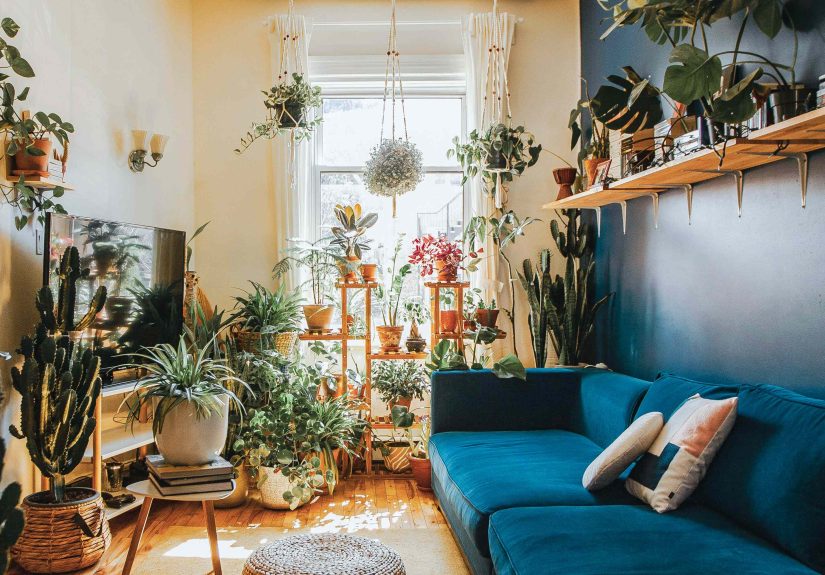
4. Styling plants is part of the fun. Over time, you’ll notice that different plants “belong” in different spots. A tall Kentia palm looks fantastic anchoring a blank corner behind an armchair. A trailing satin pothos is more at home on the highest shelf of a bookcase. A Chinese money plant shines when it’s front and center on a coffee table or low sideboard. Mixing heightsfloor plants, mid-height stands, tabletop, and hanging planterscreates a layered, magazine-worthy look.
5. Expect a little shedding and adjustment. When you first bring home a new plant, it’s common for it to drop a few leaves as it adapts to your living room’s light, humidity, and temperature. As long as new growth is healthy, a bit of leaf loss isn’t a failure. Think of it as the plant’s way of recalibrating to its new environment.
6. Plants change how you feel about the space. A living room with greenery tends to feel calmer and more inviting. Many people notice they spend more time reading or relaxing in a plant-filled room and less time mindlessly scrolling. Caring for plants can become a small daily ritualchecking for new leaves, turning a pot, trimming a yellow leafthat connects you to your space in a surprisingly satisfying way.
7. Don’t be afraid of the occasional plant “fail.” Even experienced plant parents lose a fern or scorch a leaf now and then. If a plant really isn’t happy after you’ve tried relocating it and adjusting care, treat it as a learning experience. Sometimes re-homing it to a friend with different light, or replacing it with a more suitable variety for your living room, is the best move.
The bottom line: the best indoor plants for your living room are the ones that fit your light, your routine, and your stylewith a little room left for experimentation and joy. Start with a couple of the easy, forgiving options on this list, then gradually add the bold statement plants once you’ve got your living room ecosystem humming.
Conclusion
Indoor plants are one of the easiest, most affordable ways to transform a living room from “fine” to “I never want to leave.” Whether you gravitate toward the drama of an elephant ear, the sculptural lines of a snake plant, or the romantic trailing vines of pothos and satin pothos, there’s a plant that can thrive in your space with a bit of thoughtful care. Pay attention to light, water, and placement, and your living room can become a green, relaxing retreat that looks as good as it feels.