Table of Contents >> Show >> Hide
If Game of Thrones taught us anything, it’s that winter is coming… and so is the goosebump-inducing cello.
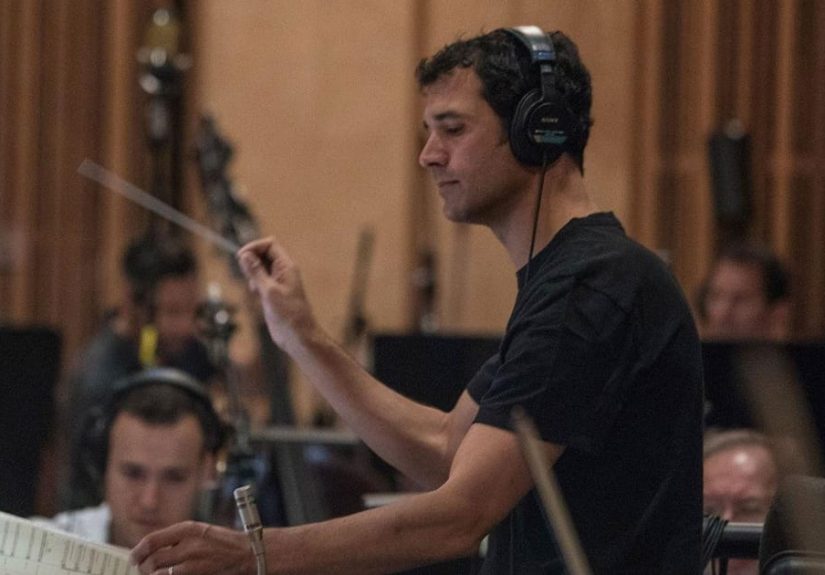
Composer Ramin Djawadi didn’t just “write music for a fantasy show.” He built a musical map of Westeros: families,
places, prophecies, and power playseach with a sound that can make you feel brave, doomed, or suspicious of
literally everyone in the room.
Even if you haven’t rewatched the series in a while, you probably remember how the score worked like a secret narrator.
You’d hear a few notes and instantly know: something important is shifting. Not because the music screamed “PLOT!”
but because it suggested itlike a musical raven delivering bad news with impeccable timing.
Why Djawadi’s Game of Thrones Score Still Rules the Realm
Djawadi’s greatest trick is that he makes an enormous story feel personal. The show is packed with politics, battles,
and dragons, but the music zooms in on human choices: loyalty, fear, ambition, love, regret. He uses recurring themes
(leitmotifs) so characters and houses feel recognizable even when the plot gets… let’s say “complicated.”
He also knows when to hold back. Some of the most iconic cues aren’t loud or flashythey’re patient. They build.
They linger. And when they finally hit, you feel like your soul just got promoted to Hand of the King.
How This List Was Chosen (No Small Council Meeting Required)
“Greatest” is subjective, so this ranking leans on a mix of: cultural impact, musical storytelling, theme evolution,
and how strongly a cue is tied to a memorable turning point. These are pieces fans replay, musicians analyze, and
binge-watchers quietly blame for staying up until 3 a.m.
The 15 Greatest Game of Thrones Scores by Ramin Djawadi (Ranked)
1) Main Title
The opening theme is basically Westeros’ national anthemif Westeros had a nation, or an anthem, or functional
infrastructure. The rolling rhythm and the iconic melody (driven by low strings) feel like gears turning on a
giant story machine. It’s not just an intro; it’s a promise: maps will move, alliances will break, and your
favorite character might not make it to the credits.What makes it “great” isn’t complexityit’s identity. One phrase, instantly recognizable, endlessly remixable
in your brain. Try hearing it once without involuntarily sitting up straighter. You can’t. That’s the power.2) Goodbye Brother
This cue is the emotional backbone of early Game of Thrones. It’s tender without being syrupy and tragic
without being melodramatic. The melody moves like a farewell you didn’t realize was final until it’s already
happening.“Goodbye Brother” is also a great example of Djawadi’s restraint: he doesn’t tell you what to feel; he creates
the space where feelings show up on their own. It’s the musical equivalent of a long look across a courtyard:
simple, sincere, and absolutely devastating when you know what comes next.3) Wildfire
“Wildfire” is tension with a heartbeat. The cue creeps forward, hinting at danger while refusing to fully reveal
it. It’s not a heroic battle themeit’s a warning, the sound of a plan unfolding that no one can stop in time.The brilliance is in how it sustains dread. Djawadi doesn’t rush to a big release. He lets the pressure build
until you’re holding your breath like you’re trying not to disturb something volatile. By the end, you’re not
just watching the storyyou’re trapped inside its momentum.4) A Lannister Always Pays His Debts
This is power dressed in velvetelegant, intimidating, and faintly smug. The Lannister-associated soundworld
often feels like a polished surface hiding a blade underneath, and this cue captures that perfectly.What makes it stand out is how it balances control and threat. It doesn’t need to “go loud” to feel dangerous.
The harmony and pacing do the work, signaling that consequences are comingand they will be paid in full.5) Chaos Is a Ladder
If “scheming” had a theme, it might sound like this: sly, patient, and quietly confident. The cue feels like
someone smiling while planning three moves aheadthen acting surprised when it works.Djawadi nails the show’s signature mood here: intrigue as atmosphere. It’s not about a single character; it’s
about the world’s logicwhere information is currency, trust is expensive, and chaos isn’t a disaster so much
as an opportunity with excellent branding.6) Dracarys
“Dracarys” is the sound of a turning pointwhen a character stops asking for permission from the world and starts
rewriting the rules. The cue builds with purpose, like a fuse traveling toward something inevitable.It’s triumphant without becoming a generic victory lap. There’s awe in it, but also a hint of warning: power
like this changes people. Djawadi captures that double-edgethe thrill of transformation and the cost it carries.7) Watchers on the Wall
This is one of the score’s best “scale” moments: large, urgent, and cinematic without losing clarity. It moves
like a storm rolling infast, forceful, and impossible to ignore.What makes it great is how it avoids the usual action-music clichés. You can sense struggle and sacrifice in the
writing, not just adrenaline. It’s battle music that still remembers humans are inside the armor.8) The Children
“The Children” feels like a closing chapterquiet, reflective, and strangely hopeful even when it’s bittersweet.
It’s a cue that doesn’t demand attention; it earns it.Djawadi blends beauty and melancholy so smoothly that you don’t notice you’ve become emotional until you’re
already staring into the middle distance like you just finished a very serious book. It’s not just an ending;
it’s a reminder that every ending changes the story’s meaning.9) Hardhome, Pt. 1
Few cues capture sheer “uh-oh” like this one. “Hardhome, Pt. 1” isn’t designed to make you feel braveit’s built
to make you feel small. The music’s energy is cold and unstoppable, like something ancient waking up and deciding
it’s done waiting.The best part (if “best” is the right word for existential dread) is the forward motion. It doesn’t spiral; it
advances. That’s what makes it so effective: inevitability has a tempo, and this cue finds it.10) Light of the Seven
This is the cue that made casual viewers sit up and go, “Wait… is that a piano?” Yes. And that surprise
is part of the magic. “Light of the Seven” is built on slow-burn suspense, deliberately avoiding the usual
character themes so the scene can unfold like a mystery you’re too late to solve.The piece grows in layerspiano, organ-like weight, swelling tensionuntil it becomes unavoidable. It’s musical
misdirection done at a master level: elegant, ominous, and so controlled you can practically hear the story
holding its breath.11) Hold the Door
“Hold the Door” is emotional storytelling at full power. It starts intimate, then expands into something
heartbreaking and hugelike a private tragedy echoing across the entire series.Djawadi’s structure here is key: he doesn’t just drop a sad melody and call it a day. He builds a wave of memory,
fate, and loss that hits harder because you feel it arriving long before it crashes. It’s the sound of a moment
becoming legend, whether anyone wanted it to or not.12) Winter Has Come
This cue carries revelation energythe feeling that the story just opened a hidden door and everything looks
different now. It’s not a jump-scare moment. It’s a slow realization: the world is bigger, older, and more
connected than you thought.Musically, it’s a perfect “bridge” piece, weaving familiar sounds into something newly significant. It doesn’t
simply decorate the scene; it frames it. By the time it ends, you’re left with that delicious chill of
understanding: the past matters, and it’s not done with the present.13) Truth
“Truth” is quiet intensitymusic that feels like a secret finally stepping into the light. Djawadi doesn’t rush
this cue. He lets it unfold with care, as if the story is choosing honesty even though honesty will change
everything.The cue’s strength is emotional precision. It doesn’t try to be “epic.” It tries to be realand that’s
why it lands. It’s the sound of identity, legacy, and difficult clarity arriving all at once.14) The Night King
“The Night King” is one of the most talked-about pieces in the entire series for a reason: it’s bold in a way
Game of Thrones rarely allowed itself to be. The piano returns, and suddenly everything feels stripped
downno triumphant hero theme, no “battle montage” bravado. Just dread, grief, and time running out.As it grows, the cue becomes almost hypnotic, like the story is locking into a single, terrifying focus. It’s
not just background music; it’s the emotional temperature of the episode.15) The Iron Throne
For a series obsessed with power, this cue understands the cost of chasing it. “The Iron Throne” blends themes
in a way that feels like a final accounting: love, loss, legacy, and consequence all sharing the same room.The emotional shape of the piece matters: it doesn’t “win.” It resolves. It sounds like the story exhaling after
years of holding tensionleaving you with something close to closure, even if closure comes with a bruise.
Fan Experiences: of Living With This Music (Long After the Finale)
One of the coolest things about Djawadi’s Game of Thrones score is how it follows you out of Westeros and
into real lifewithout needing dragons, castles, or a dramatic cape budget. Fans don’t just “remember” these tracks;
they build rituals around them. Some people listen to the Main Title to kick-start productivity (because nothing says
“answer email” like the fate of kingdoms). Others save “Light of the Seven” for moments when they need focusits slow,
deliberate build is basically a musical timer that says, “Stay calm… something important is happening.”
Rewatching the series with the soundtrack in mind can feel like discovering a hidden storyline. You start noticing
how themes evolve: a melody that once sounded noble might return later in a darker shape, suggesting how characters
and houses change over time. It’s like the score is keeping receipts. And because Djawadi uses recurring motifs,
listeners can play a fun (and mildly obsessive) game: “Wait, is that the love theme? Is that a house theme? Is that a
warning theme? Is that my heart rate?”
Then there’s the “headphones effect.” On a TV speaker, the score is powerful; on good headphones, it becomes a world.
You can hear how carefully the layers are stackedlow strings anchoring the mood, subtle percussion pushing the pace,
and a melody that doesn’t always announce itself right away. Tracks like “Hold the Door” and “The Night King” hit
differently when you can catch the details: the way a phrase repeats slightly changed, the way the harmony tightens,
the way silence becomes part of the composition. It’s less like “background music” and more like a guided emotional
experience.
Fans also connect to the score socially. People share playlists titled things like “Studying at the Citadel” or
“Definitely Not Plotting Anything,” then swap favorite cues in the comments like trading rare cards. Musicians cover
these themes on piano, cello, guitar, and full orchestras, because the melodies are strong enough to survive any
instrument and still feel like themselves. And when Djawadi’s music is performed livefull orchestra, big visuals,
the whole theatrical celebrationit turns into something communal: the audience isn’t just listening, they’re
reliving. You don’t need to agree on every plot decision to agree that the music is spectacular.
Maybe that’s the most lasting “experience” of all: the score gives people a way to revisit the story without needing
the story to be perfect. A track can bring back a character’s arc, a turning point, or a feeling from a first watch.
Years later, a few notes can still transport youright back to the wall, the hall, the ship, the snow, the promise
that something huge is about to happen. In a show where so much changes, Djawadi’s music remains a steady truth:
the realm may fracture, but a great theme holds.
Conclusion
The reason Ramin Djawadi’s Game of Thrones score endures is simple: it tells the story twiceonce with
images, and once with emotion. These 15 cues aren’t just “the best tracks.” They’re milestones in a musical saga
that made Westeros feel real, personal, and unforgettable.