Table of Contents >> Show >> Hide
- What’s Inside
- Quick Rules for a Pollinator-Friendly Garden
- 13 Colorful Nectar Plants for Pollinators
- 1) Purple Coneflower (Echinacea purpurea)
- 2) Bee Balm / Monarda (Monarda spp.)
- 3) Butterfly Weed / Butterfly Milkweed (Asclepias tuberosa)
- 4) Blazing Star / Gayfeather (Liatris spp., often L. spicata)
- 5) Black-Eyed Susan (Rudbeckia hirta)
- 6) Blanket Flower (Gaillardia spp.)
- 7) Salvia / Sage (Salvia spp.)
- 8) Lavender (Lavandula spp.)
- 9) Zinnia (Zinnia elegans and friends)
- 10) Sunflower (Helianthus annuus)
- 11) Joe-Pye Weed (Eutrochium spp.)
- 12) New England Aster (Symphyotrichum novae-angliae)
- 13) Goldenrod (Solidago spp.)
- How to String Blooms Together All Season
- of Real-Garden Experiences (What It’s Like)
- Conclusion
If your garden were a restaurant, pollinators would be the VIP regularsbees in tiny yellow jackets, butterflies doing their best “elegant float” impression, and hummingbirds arriving like caffeinated darts. The secret to keeping them coming back isn’t fancy décor. It’s nectar. Lots of it. In bright, easy-to-spot blooms served up from spring-ish through frost.
This guide focuses on nectar-rich, colorful plants that help you build a thriving pollinator gardenthe kind that makes your yard feel alive, productive, and slightly like a nature documentary (minus the dramatic narration). You’ll get 13 standout choices, plus design tips and real-world “what you’ll actually notice” experiences at the end.
Quick Rules for a Pollinator-Friendly Garden
Before we jump into the plant lineup, here are the “small changes, big results” moves that make your nectar plants work harder (so you don’t have to).
- Plant in clumps, not singles. Clusters are easier for pollinators to find and more efficient to feed from.
- Choose open blooms when possible. Super-double, frilly flowers can look stunningbut they often hide nectar like it’s a secret family recipe.
- Plan for bloom succession. Aim for something flowering in early, mid, and late seasonespecially late summer and fall.
- Go easy on chemicals. Many pesticides (and even some “systemic” treatments) can harm helpful insects. If you must treat, target the problem and avoid spraying blooms.
- Add water + shelter. A shallow dish with stones, a little leaf litter, and some “don’t-clean-everything” corners can help pollinators stick around.
13 Colorful Nectar Plants for Pollinators
These are classic, proven nectar plants for pollinators that work across many U.S. regions (with the usual caveat: always check what’s native and well-behaved in your state). For the biggest impact, mix a few long bloomers with a few late-season powerhouses.
1) Purple Coneflower (Echinacea purpurea)
Coneflower is the dependable friend who shows up on time, brings snacks, and somehow also attracts bees, butterflies, and the occasional hummingbird. The classic purple-pink daisy shape is an easy landing pad, and the central cone holds lots of nectar and pollen over a long summer bloom window.
Grow it like this: Full sun is best, average soil is fine, and once established it handles dry spells well. Leave some seedheads in fallgoldfinches will treat them like a drive-thru. Skip ultra-double varieties if your goal is a true bee-friendly flower buffet.
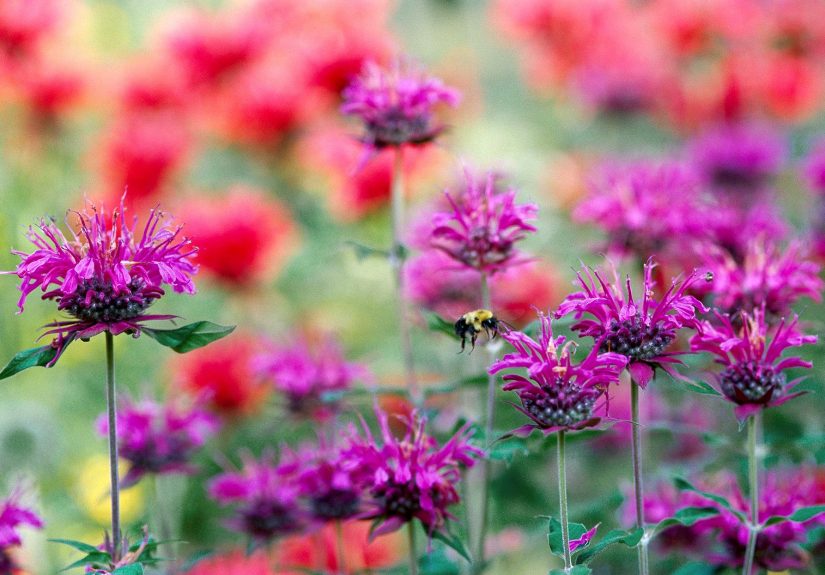
2) Bee Balm / Monarda (Monarda spp.)
Bee balm blooms look like fireworks made of petalsand pollinators respond accordingly. The tubular flowers are especially great for longer-tongued bees and hummingbirds, while butterflies stop by like they’ve got reservations. Bonus: the leaves smell minty when crushed (your garden’s built-in aromatherapy).
Grow it like this: Sun to part sun, with soil that doesn’t dry to “crouton” level. Give it airflowcrowded bee balm can invite powdery mildew. If deer nibble early growth, it often rebounds and still flowers beautifully.
3) Butterfly Weed / Butterfly Milkweed (Asclepias tuberosa)
If bright orange could clap, butterfly weed would be standing ovation orange. It’s a standout in a butterfly garden because adults feed on its nectar, and it can support monarchs (it’s related to other milkweeds that are key host plants). Expect bees, butterflies, and general “good bugs” to visit steadily when it’s in bloom.
Grow it like this: Full sun and well-drained soil are ideal. It’s drought tolerant once established, but it dislikes being movedplant it where you mean it. The milky sap can irritate skin, so handle with care when cutting or dividing.
4) Blazing Star / Gayfeather (Liatris spp., often L. spicata)
Blazing star is tall, bold, and unapologetically purplelike a floral exclamation point. The fuzzy-looking spikes are made of many tiny florets, which means pollinators can feed efficiently without flying to the next table every five seconds. Butterflies love it, and bees work it top-to-bottom like they’re on a mission.
Grow it like this: Full sun, decent drainage, and patience. Plant corms or transplants, and don’t overwater. It shines in borders, meadow-style plantings, and anywhere you want vertical color in mid-to-late summer.
5) Black-Eyed Susan (Rudbeckia hirta)
This sunny yellow classic is more than a pretty face. That dark “eye” is actually packed with tiny flowers, each offering nectar and pollen. Black-eyed Susan is a pollinator magnet in summer, and it plays especially well with native meadow mixes and cottage-style beds.
Grow it like this: Full sun is best, but it tolerates a bit of shade. It’s tough, cheerful, and often reseeds. If you want a tidy look, deadhead; if you want maximum wildlife value, leave some seedheads to mature.
6) Blanket Flower (Gaillardia spp.)
Blanket flower looks like it was painted with a sunset palettereds, oranges, and yellows blended into one bloom. It’s a heat-lover, a long bloomer, and a reliable nectar stop for butterflies and native bees when other flowers start acting dramatic in midsummer.
Grow it like this: Full sun and well-drained soil. It’s not impressed by rich, soggy conditionsleaner soil often equals better performance. Deadheading can extend blooming, but even when petals fade the seedheads add texture (and sometimes feed birds).
7) Salvia / Sage (Salvia spp.)
Salvias are the “neon sign” of the pollinator world. Their tubular blooms are made for bees and hummingbirds, and many varieties bloom for a long stretch. Blue and purple salvias, in particular, tend to get nonstop trafficlike the garden equivalent of a popular food truck.
Grow it like this: Most salvias want sun and good drainage. Once established, many are drought tolerant. Mix a perennial salvia with an annual type for extra-long flowering and constant nectar availability through summer heat.
8) Lavender (Lavandula spp.)
Lavender does three jobs at once: looks great, smells amazing, and attracts bees like it’s hosting a tiny floral concert. It’s especially popular with bumblebees in many gardens, and it’s a strong choice for pollinator-friendly landscaping where you want tidy structure.
Grow it like this: Full sun, sharp drainage, and don’t “love it to death” with water. In humid regions, choose varieties known for better tolerance and space plants for airflow. Harvest some blooms for sachetsleave plenty for your pollinator guests first.
9) Zinnia (Zinnia elegans and friends)
Zinnias are summer’s confetti cannons: bright, fast, and ridiculously generous with blooms. They’re famous as butterfly nectar plants, and they can bring in bees tooespecially the more open, single or semi-double flower types that make nectar easy to reach.
Grow it like this: Full sun, regular water while establishing, and good airflow to reduce mildew. Keep deadheading and zinnias will keep blooming until frost like they’re trying to win an award. Plant them near veggies and you might notice improved pollination (and more garden “buzz”).
10) Sunflower (Helianthus annuus)
Sunflowers are basically solar panels with petalsand pollinators show up in force. While nectar varies by type, sunflowers are famously valuable for pollen, and many bees use them like a protein bar station. They also support birds later, turning your garden into a multi-season wildlife hub.
Grow it like this: Full sun, room to grow, and consistent moisture early on. For maximum pollinator value, plant a few varieties with staggered bloom times, and don’t be afraid to leave seedheads standing at the end of the season.
11) Joe-Pye Weed (Eutrochium spp.)
Joe-Pye weed is the late-summer headliner: tall, showy, and covered in nectar-sippers like it’s wearing a “Free Samples” sign. The pink-to-mauve flower clusters attract butterflies, bees, and a whole supporting cast of beneficial insects. If you like photographing pollinators, this plant is basically a photo booth.
Grow it like this: Many types like consistent moisture, but several handle average garden soils once established. Give it spaceit can be big. If deer take a few early bites, don’t panic; it often regrows and still blooms.
12) New England Aster (Symphyotrichum novae-angliae)
When the garden is winding down, New England aster starts cranking up the colorpurples and pinks with bright yellow centers. It’s a major late-season nectar and pollen source for many pollinators, including migrating monarchs in many regions. In fall, asters can feel like the difference between “snack available” and “sorry, kitchen’s closed.”
Grow it like this: Sun to part sun, with average moisture. Taller varieties may need support or a “Chelsea chop” style trim in early summer to encourage bushier growth. Pair with goldenrod for a classic fall combo that looks like fireworks.
13) Goldenrod (Solidago spp.)
Goldenrod is the misunderstood hero of fall. It’s not the main culprit behind seasonal allergies (ragweed gets that dubious honor), and it’s a powerhouse nectar-and-pollen plant when many other blooms are fading. Bees, wasps, butterflies, mothsgoldenrod supports an entire late-season crowd.
Grow it like this: Many goldenrods love sun and tolerate drought once established, but there are also species for shade edges and wetter spots. Choose a well-behaved species or cultivar for smaller gardens, and let it shine as your “fall fuel station.”
How to String Blooms Together All Season
A truly effective pollinator garden isn’t just “pretty flowers.” It’s continuous food. Think of it like keeping the pantry stocked: you want blooms overlapping from early summer through fall, with extra attention to late-season nectar.
Build a bloom calendar (without turning into a spreadsheet person)
- Early summer: Lavender, early salvia, black-eyed Susan starts warming up.
- Mid-summer: Coneflower, bee balm, blanket flower, zinnias, sunflowers.
- Late summer into fall: Joe-Pye weed, blazing star, goldenrod, New England aster.
Planting layout that pollinators actually use
For a simple bed, repeat plants in small drifts: 3–7 of one species together, then another drift, and so on. A practical combo: a back row of Joe-Pye weed and goldenrod (tall), a middle of coneflower and blazing star (medium), and a front edge of blanket flower and salvia (lower). Add zinnias near the front for nonstop color and easy butterfly access.
Small yard? Container garden? You’re still invited.
You can build a mini hummingbird-and-bee corner with a large pot of salvia, a nearby pot of zinnias, and a smaller pot of lavender. Even a balcony can become a pollinator pit stop if it offers sun, flowers, and no “chemical surprise showers.”
of Real-Garden Experiences (What It’s Like)
Plant lists are nice. Reality is nicerjust messier, louder, and occasionally followed by you Googling, “Is this bee supposed to be that big?” Here are common, very real experiences gardeners report after planting nectar-rich flowers for pollinators.
Week one: Nothing happens and you assume the internet lied. Then you realize the plants are still establishing roots and pollinators are not mind readers. Give it a little time, and make sure you planted in sun if the plant wants sun. A “full sun” label does not mean “bright shade at 4:45 p.m.”.
Mid-summer: Zinnias become butterfly magnets. You’ll notice that the flatter, more open blooms get more visitors than the puffier, super-double ones. This is when gardeners usually start deadheading like it’s a hobbybecause every time you cut spent blooms, the plants respond with more flowers. Also: zinnias can mildew if cramped. When people say “airflow,” they mean “pretend every plant needs personal space like a toddler in a long car ride.”
Bee balm drama: Bee balm often delivers outrageous pollinator action… and sometimes powdery mildew. The funny part is that the pollinators do not care about the mildew nearly as much as you do. Spacing plants out, watering at the base, and choosing mildew-tolerant varieties can help. Many gardeners learn to treat bee balm like a social butterfly: it loves company, but it also needs room to breathe.
The coneflower bonus: People plant coneflower for bees and butterflies, then fall in love with the birds. Leaving seedheads in place turns into a goldfinch hangout. If you’re used to cleaning up the garden “so it looks neat,” this is where your values may shift. A slightly wild garden is often a more useful garden.
Late-season revelations: The moment goldenrod and asters kick in, many gardeners suddenly understand why fall nectar matters. You’ll see bees and butterflies showing up when other flowers have fizzled. It feels like you opened a late-night diner in a town where everything else closed early. Joe-Pye weed can be the main stage heretall, covered in pollinators, and basically begging you to take photos.
The “I planted one” lesson: A single plant can be beautiful, but it’s not always easy for pollinators to find. Gardeners who see the biggest jump in activity usually plant repeats: three salvias instead of one, a drift of five blanket flowers instead of a lonely single. Pollinators forage efficiently. When you garden like they shopfast, obvious, and in bulkyou get more visits.
And yes, you will start talking about bees. Not in a “fun fact” way. In a “Did you see that metallic green one?” way. Welcome. You’re one of us now.
Conclusion
A great pollinator garden doesn’t need to be hugeit needs to be consistent. Choose a mix of nectar-rich plants that bloom across the season, plant them in clusters, and prioritize late-summer and fall flowers like goldenrod, asters, and Joe-Pye weed. Your reward is a garden that’s brighter, busier, and genuinely more alive.