Table of Contents >> Show >> Hide
- What Makes a Dessert “Low Sugar” and Still Worth Eating?
- 12 Low-Sugar Desserts That Still Deliver
- 1. Greek Yogurt Berry Parfait
- 2. Dark Chocolate-Dipped Strawberries
- 3. Chia Pudding with Cocoa and Berries
- 4. Baked Apples with Cinnamon and Walnuts
- 5. Frozen Banana Bites with Peanut Butter
- 6. Whipped Ricotta with Cherries and Pistachios
- 7. Roasted Pears with Vanilla Yogurt
- 8. Low-Sugar Cheesecake Cups
- 9. Fruit Crisp with Oats and Nuts
- 10. Avocado Chocolate Mousse
- 11. Grilled Peaches with Yogurt and Cinnamon
- 12. Banana Nice Cream with Cocoa or Cinnamon
- How to Make Low-Sugar Desserts Taste Better
- Common Mistakes That Make Low-Sugar Desserts Disappointing
- Real-Life Experiences With Low-Sugar Desserts
- Conclusion
- SEO Tags
Trying to eat less sugar does not mean you have to break up with dessert and pretend celery is exciting. It just means your sweet treats need a smarter game plan. The best low-sugar desserts do not rely on a sugar avalanche to taste good. Instead, they lean on naturally sweet fruit, creamy dairy, rich cocoa, warm spices, crunchy nuts, and textures that make every bite feel a little more special.
That is the real secret: when dessert has contrast, flavor, and enough substance, it does not need to taste like a candy factory exploded in your kitchen. A bowl of berries with whipped ricotta can feel luxurious. A frozen banana bite dipped in dark chocolate can hit the same emotional note as ice cream on a stressful Tuesday. And a baked apple with cinnamon can smell so good that your brain assumes you have become the sort of person who owns linen aprons and says things like “rustic finish.”
Below, you will find 12 low-sugar dessert ideas that still feel indulgent, plus practical tips for making sweets more balanced without making them boring. Whether you want a quick weeknight treat, something a little dinner-party worthy, or a better way to handle late-night cravings, these desserts prove you can cut back on sugar and keep the joy.
What Makes a Dessert “Low Sugar” and Still Worth Eating?
A satisfying low-sugar dessert usually follows a few simple rules. First, it gets most of its sweetness from fruit or a modest amount of sweetener instead of cups of white sugar. Second, it includes ingredients that add staying power, such as Greek yogurt, chia seeds, oats, nuts, ricotta, cottage cheese, or dark chocolate. Third, it uses flavor boosters like cinnamon, vanilla, citrus zest, espresso, or cocoa powder, because strong flavor makes dessert taste more complete even when it is less sweet.
In other words, you are not just removing sugar. You are building a better dessert structure. Think of it as replacing empty sweetness with actual character.
12 Low-Sugar Desserts That Still Deliver
1. Greek Yogurt Berry Parfait
This is the low-sugar dessert equivalent of showing up overdressed in the best possible way. Layer plain or lightly sweetened Greek yogurt with fresh berries, a spoonful of chopped nuts, and a light sprinkle of toasted oats or unsweetened granola. You get sweetness from the fruit, creaminess from the yogurt, and enough crunch to make the whole thing feel like dessert instead of a compromise.
To make it taste more like a treat, stir vanilla extract and a pinch of cinnamon into the yogurt. Raspberries and blueberries work especially well because they bring bold flavor without turning the parfait into a sugar bomb. Serve it in a glass if you want your snack to feel emotionally expensive.
2. Dark Chocolate-Dipped Strawberries
Few desserts punch above their weight like strawberries dipped in dark chocolate. They look fancy, take almost no effort, and feel decadent because you get the snap of chocolate followed by juicy fruit. Use dark chocolate with a higher cocoa content and dip only half the berry. That way, every bite has richness without becoming overly sweet.
You can also roll the chocolate side in crushed pistachios, shredded coconut, or finely chopped almonds for extra texture. This dessert is proof that portion control feels much less tragic when the food looks elegant.
3. Chia Pudding with Cocoa and Berries
Chia pudding has gone from trendy to reliable, and honestly, it deserves the promotion. Mix chia seeds with milk or unsweetened almond milk, add cocoa powder, vanilla, and just enough sweetener to round things out, then chill overnight. The result is a pudding-like dessert that feels rich, spoonable, and surprisingly filling.
Top it with sliced strawberries, raspberries, or a few cacao nibs. If you want a deeper chocolate flavor, add a pinch of espresso powder. This is one of those desserts that quietly makes you feel organized because it is already waiting in the fridge when your sweet tooth clocks in.
4. Baked Apples with Cinnamon and Walnuts
Baked apples are warm, cozy, and deeply underrated. Core an apple, fill it with chopped walnuts, cinnamon, oats, and a tiny drizzle of maple syrup if needed, then bake until soft. The natural sugars in the apple concentrate as it cooks, so the finished dessert tastes sweeter than the ingredient list would suggest.
Add a spoonful of plain yogurt on top for a cool, creamy contrast. It is the kind of dessert that tastes like fall, regardless of season, and makes your kitchen smell like a candle with a superior work ethic.
5. Frozen Banana Bites with Peanut Butter
Bananas are a cheat code for low-sugar desserts because they bring natural sweetness and creamy texture. Slice a banana, sandwich a thin layer of peanut butter between two pieces, then freeze. If you want to level them up, dip the frozen bites halfway in dark chocolate and freeze again.
You end up with a dessert that tastes like a tiny ice cream bar with much less sugar than the store-bought version. Keep a batch in the freezer, and you will always have a better answer when cravings show up late at night acting dramatic.
6. Whipped Ricotta with Cherries and Pistachios
If you have never turned ricotta into dessert, this is your sign. Whip ricotta with vanilla and a little citrus zest until smooth and airy, then top with fresh or thawed frozen cherries and a spoonful of chopped pistachios. The ricotta brings a cheesecake-like vibe without the heavy sugar load, while the fruit adds brightness and natural sweetness.
This dessert feels grown-up, restaurant-inspired, and only slightly smug. It is especially good when you want something creamy that is not pudding, not yogurt, and definitely not another protein bar pretending to be dessert.
7. Roasted Pears with Vanilla Yogurt
Pears become buttery and fragrant when roasted, which is good news for anyone trying to eat less sugar without losing dessert joy. Halve a ripe pear, sprinkle it with cinnamon, and roast until tender. Serve it with a dollop of vanilla Greek yogurt and a few crushed pecans or almonds.
The beauty of this dessert is that it feels elegant while asking very little of you. It also works well for guests because it looks thoughtfully planned, even if the truth is you mostly just turned on the oven and hoped for the best.
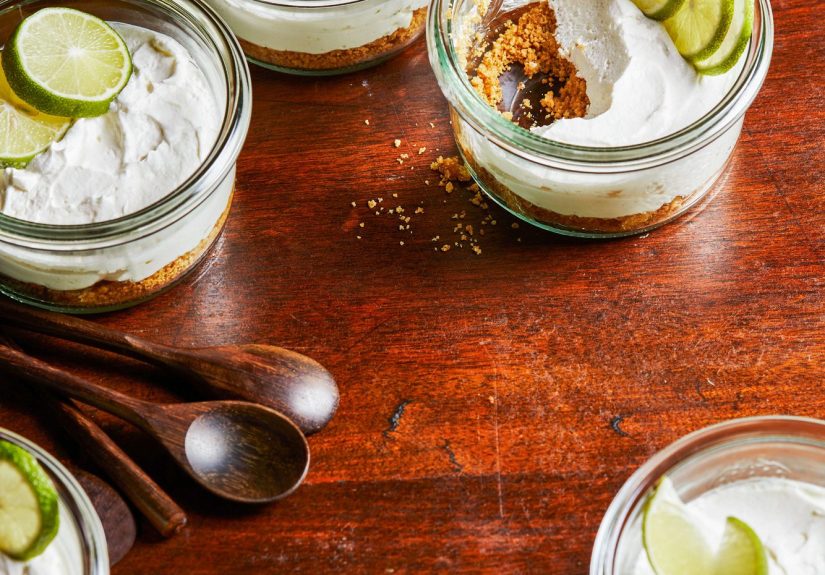
8. Low-Sugar Cheesecake Cups
Cheesecake is wonderful, but traditional versions can be wildly sweet. A lighter alternative is to make individual cheesecake cups with cream cheese, Greek yogurt, vanilla, and just enough sweetener to balance the tang. Spoon the filling into small jars or ramekins, then top with crushed berries or a thin layer of fruit compote made without much added sugar.
Because the cups are portioned, they help keep dessert from turning into a “just one more slice” situation. They also feel more satisfying than many low-sugar desserts because the texture is rich and familiar.
9. Fruit Crisp with Oats and Nuts
A good fruit crisp does not need a ton of sugar when the fruit is flavorful. Use apples, berries, peaches, or cherries, then top them with a mixture of oats, chopped nuts, cinnamon, and a small amount of butter or coconut oil. A little maple syrup can help, but you need far less than most recipes suggest.
As it bakes, the fruit becomes jammy and the topping turns golden and crisp. It tastes comforting and homemade in the best sense. Serve it warm, ideally with a spoonful of plain yogurt or a modest scoop of frozen yogurt if you want to keep things balanced.
10. Avocado Chocolate Mousse
Yes, avocado in dessert still sounds like a dare, but hear it out. When blended with cocoa powder, vanilla, and a small amount of sweetener, avocado becomes incredibly smooth and mousse-like. The cocoa does the heavy lifting, so the avocado flavor stays in the background where it belongs.
Top it with berries, shaved dark chocolate, or toasted coconut. This dessert works because it focuses on texture first. Once your mouth decides it is eating chocolate mousse, the rest of the argument is basically over.
11. Grilled Peaches with Yogurt and Cinnamon
Grilled fruit deserves more attention. When peaches hit the grill or a grill pan, their natural sweetness intensifies and their edges get lightly caramelized. Pair them with plain yogurt, a dusting of cinnamon, and a few chopped nuts for a dessert that feels fresh, warm, and just indulgent enough.
This is a great option in summer when you want dessert but do not want to turn your kitchen into a sauna. It also looks beautiful on a plate, which is not essential for flavor but definitely helps morale.
12. Banana Nice Cream with Cocoa or Cinnamon
Nice cream is what happens when frozen bananas meet a blender and decide to exceed expectations. Blend frozen banana slices until creamy, then add cocoa powder, cinnamon, peanut butter, or a handful of berries for flavor. The final texture is surprisingly close to soft-serve, especially if you eat it right away.
This dessert is naturally sweet, endlessly customizable, and ideal for people who miss ice cream but do not miss the sugar crash. Keep frozen bananas on hand, and dessert is always about five minutes away.
How to Make Low-Sugar Desserts Taste Better
If you want better results, stop thinking only about sweetness and start thinking about balance. Salt makes chocolate taste more intense. Vanilla makes dairy-based desserts feel fuller and rounder. Cinnamon, nutmeg, ginger, and cardamom add warmth that tricks your palate into perceiving more sweetness. Citrus zest brightens fruit desserts instantly. Toasted nuts bring crunch and richness, which keeps low-sugar desserts from feeling flat or diet-like.
Another smart move is to control portion size without shrinking satisfaction. A small dessert in a ramekin, jar, or pretty bowl tends to feel more complete than a random scoop dumped into whatever dish was closest. Presentation matters. Your brain eats first, and it can be surprisingly easy to impress.
Common Mistakes That Make Low-Sugar Desserts Disappointing
The first mistake is removing sugar without replacing flavor. That is how you end up with desserts that taste like punishment. The second mistake is relying too heavily on ultra-processed “diet” ingredients that leave an odd aftertaste or weird texture. The third is ignoring ripeness. A ripe peach, banana, or pear can do the work of several spoonfuls of sugar, while an underripe one will make your dessert taste like regret.
It also helps to avoid expecting a low-sugar dessert to taste exactly like a bakery cupcake. That is not a fair fight. The better goal is to make something delicious in its own category. A berry parfait is not trying to be a frosted layer cake. It is trying to be cold, creamy, crunchy, fresh, and satisfying. Judge it on that, and it suddenly starts winning.
Real-Life Experiences With Low-Sugar Desserts
Here is what many people notice when they start swapping in low-sugar desserts instead of the super-sweet classics: the first few days can feel a little underwhelming, and then something interesting happens. Your taste buds calm down. Fruit starts tasting sweeter. Dark chocolate feels richer. Cinnamon becomes more noticeable. And desserts that once seemed “healthy-ish” in a disappointing way begin to feel genuinely satisfying.
One common experience is that the craving itself changes. Instead of wanting a giant slab of cake after dinner, people often start wanting something smaller but more flavorful, like yogurt with berries, a baked apple, or a few frozen banana bites. That is not because dessert becomes less enjoyable. It is because the body often responds better when sweets come with more fiber, protein, or fat, rather than a straight shot of sugar that disappears fast and leaves you looking for Act Two.
Another thing that comes up a lot is convenience. The low-sugar desserts that actually stick are the ones that are easy. Nobody wants to whip egg whites and reduce a compote on a Wednesday night when the dishwasher is already full and life has been rude. But a jar of chia pudding in the fridge? That has staying power. Frozen banana slices ready for nice cream? Very realistic. Greek yogurt, berries, nuts, and cinnamon? That is practically a survival kit.
People also tend to discover that low-sugar desserts work best when they stop chasing a perfect replica of traditional sweets. The goal is not to make a brownie that tastes exactly like the sugar-loaded version from a bakery. The goal is to build a dessert that is pleasurable on its own terms. Once that shift happens, the whole process feels less like restriction and more like better decision-making with better snacks.
Social situations can be a learning curve, too. At parties, holidays, or family dinners, low-sugar dessert habits get tested by pies, cookies, and mysterious trifles made by enthusiastic relatives. A lot of people find that having an everyday routine helps. When your normal dessert life already includes things you enjoy, you do not feel as panicked around sweets. You can have a small portion of something richer when you really want it, then go back to your regular rotation without drama.
There is also a confidence factor. Once you learn that a roasted pear, whipped ricotta cup, or dark chocolate strawberry plate can actually satisfy you, the idea of “healthy dessert” stops sounding like a punchline. You realize dessert does not have to be all sugar or no fun. It can live in the much nicer middle ground where flavor, texture, and balance all pull their weight.
And maybe the best experience of all is this: low-sugar desserts are less likely to make you feel like you need a nap, a second dessert, or an emotional support snack afterward. They tend to end the meal more gracefully. You enjoy them, you feel satisfied, and you move on with your life like a person who has made peace with sweetness instead of declaring war on it.
Conclusion
Low-sugar desserts do not have to be sad, chalky, or suspiciously wholesome. When you build them around fruit, yogurt, nuts, cocoa, spices, and smart portions, they can be every bit as satisfying as more traditional sweets. The trick is to aim for desserts with flavor, texture, and enough richness to feel complete. Start with one or two favorites, keep the ingredients on hand, and let your sweet tooth learn some new tricks. It turns out dessert can still be dessert, even when sugar stops hogging the spotlight.