Table of Contents >> Show >> Hide
- Why Dog Breed Stereotypes Stick Around
- 12 Honest Dog Breed Slogans
- 1. Labrador Retriever: “Will Work for Snacks, Praise, or Eye Contact.”
- 2. Chihuahua: “Tiny Body, Stadium-Sized Opinions.”
- 3. Dachshund: “Long Dog, Longer Grudge.”
- 4. German Shepherd: “I Already Assessed You.”
- 5. Golden Retriever: “Hi, I Love You, Your Mail Carrier, and That Tree.”
- 6. Border Collie: “I Need a Job, a Backup Job, and a Spreadsheet.”
- 7. Beagle: “Following My Nose and Ignoring Your Feelings.”
- 8. French Bulldog: “Low Exercise, High Drama.”
- 9. Poodle: “Excuse Me, I’m Smarter Than This Haircut.”
- 10. Siberian Husky: “Yes, I Heard You. No, I Have Notes.”
- 11. Boxer: “Professional Athlete, Amateur Comedian.”
- 12. Great Dane: “I Am a Lap Dog. This Is Not a Debate.”
- What These Slogans Get Right, and What They Miss
- Why People Love Dog Humor So Much
- 500 More Words of Real-Life Experience With Dog Breed Stereotypes
- Conclusion
Dog lovers know a funny truth: every breed comes with a reputation, a rumor, and at least one wildly unfair personality summary invented by the internet. Labrador Retrievers are supposedly incapable of evil. Chihuahuas are accused of acting like underpaid nightclub bouncers. Huskies are treated like furry opera singers with no indoor voice. And yet, despite the stereotypes, real dogs are always more interesting than the label slapped on them.
That is what makes dog breed slogans so entertaining. They work because there is usually a tiny grain of truth hiding inside a mountain of exaggeration. Breed tendencies are real. Some breeds are more energetic, more vocal, more eager to please, or more independent than others. But no dog arrives preloaded with a screenplay. Environment, training, socialization, health, and individual temperament matter just as much as breed reputation.
So this article is not here to roast dogs. Absolutely not. It is here to lovingly tease the cartoon versions of them. Think of these as the slogans dog breeds would use if their marketing teams were brutally honest and just a little bit sleep-deprived. Along the way, we will also unpack why these stereotypes exist, why people keep repeating them, and why choosing a dog based on a meme is about as reliable as choosing a roommate based on their zodiac sign.
Why Dog Breed Stereotypes Stick Around
Dog breed stereotypes survive because they are convenient. Humans love shortcuts, and dog breeds practically come with built-in categories: sporting, working, toy, hound, herding, terrier, non-sporting. Once a breed becomes known for a certain job or style, the public tends to stretch that reputation into a full personality profile. A herding dog becomes a “control freak.” A toy breed becomes “bossy.” A retriever becomes “everyone’s emotional support golden angel.”
The problem is that stereotypes are catchy because they are simple, not because they are complete. A Beagle may be curious and nose-driven, but that does not mean every Beagle is plotting an elaborate sandwich heist at all times. A German Shepherd may be confident and highly trainable, but that does not make every one of them a four-legged security consultant. Breed gives you clues, not a full biography.
Still, let us be honest: stereotypes can be funny when handled with affection. And dogs, blessedly, do not read comment sections.
12 Honest Dog Breed Slogans
1. Labrador Retriever: “Will Work for Snacks, Praise, or Eye Contact.”
Labradors have earned their reputation as cheerful, social, eager-to-please overachievers. They are the golden retrievers of practical footwear: reliable, popular, and somehow always invited back. The stereotype says Labs are perfect family dogs, and while perfection is a stretch, their friendliness and enthusiasm do explain why they remain so beloved.
The joke, of course, is that a Lab’s emotional range often appears to include: happy, thrilled, ecstatic, and “someone touched the treat jar.” The honest slogan works because many Labs really do seem ready to assist with anything, provided it involves food, fetching, or being told they are the best dog in recorded history.
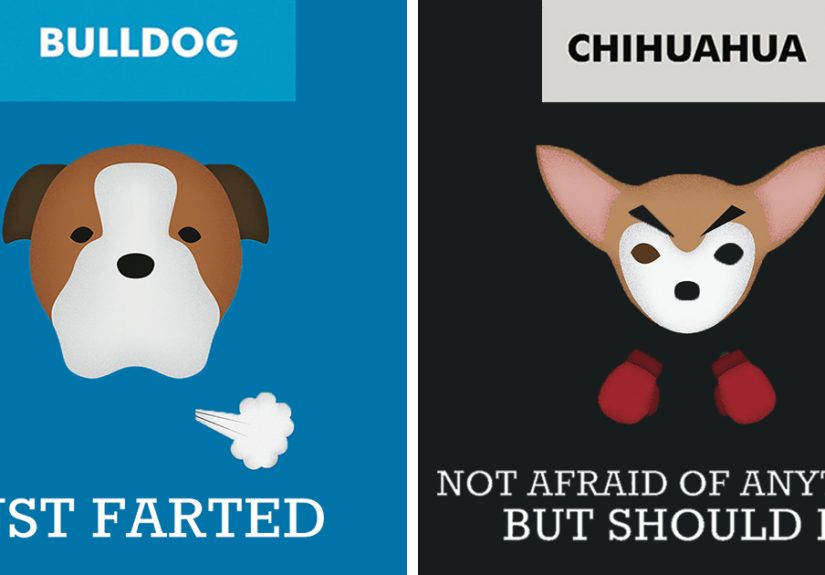
2. Chihuahua: “Tiny Body, Stadium-Sized Opinions.”
The Chihuahua stereotype is one part fashion accessory, one part neighborhood watch captain. People love to joke that these tiny dogs act like they are personally responsible for defending civilization. The humor lands because Chihuahuas often carry themselves with astonishing confidence for creatures that weigh about as much as a loaf of bread.
But underneath the sass is an alert, entertaining companion that bonds closely with its people. The slogan pokes fun at the contrast: miniature frame, maximum commentary.
3. Dachshund: “Long Dog, Longer Grudge.”
Dachshunds look like somebody stretched a regular dog in a funhouse mirror and accidentally created an icon. Their bold, lively personalities have inspired generations of owners to say some version of, “He is small, but he has the emotional energy of a dueling aristocrat.”
The stereotype paints Dachshunds as stubborn little masterminds who always have a plan and never apologize. Is that fully fair? No. Is it hilarious? Absolutely. Their honest slogan captures that fearless, dramatic, independent streak in one tidy line.
4. German Shepherd: “I Already Assessed You.”
Few breeds carry a stronger “serious professional” image than the German Shepherd. Smart, steady, confident, and famously capable, this breed is often associated with police work, service work, and general competence. If dog breeds were employees, the German Shepherd would be the one with a laminated badge and a color-coded checklist.
The slogan works because German Shepherds often seem to enter a room already evaluating security, exits, and whether you are following procedure. Even when they are sweet family dogs, they can project a level of authority that makes your average sofa cushion nervous.
5. Golden Retriever: “Hi, I Love You, Your Mail Carrier, and That Tree.”
Golden Retrievers are burdened with one of the nicest stereotypes in dogdom: they are seen as sunny, social, affectionate optimists. To be fair, the breed’s reputation did not appear out of thin air. Goldens are widely adored for their friendly nature and trainability.
Still, the stereotype becomes funny when you imagine a Golden trying to maintain any sense of mystery. Impossible. This is the breed most likely to greet a burglar like a dinner guest and then bring them a sock. Their slogan celebrates that lovable, all-embracing enthusiasm.
6. Border Collie: “I Need a Job, a Backup Job, and a Spreadsheet.”
The Border Collie is the classic canine workaholic. Brilliant, intense, trainable, and famously energetic, this breed has become shorthand for “too smart for everyone’s peace of mind.” A bored Border Collie does not merely get restless. A bored Border Collie begins developing projects.
That is why the stereotype is so persistent. Owners joke that Border Collies are not pets so much as middle managers in fur coats. Their slogan captures that restless intelligence and relentless desire for purpose.
7. Beagle: “Following My Nose and Ignoring Your Feelings.”
Beagles are charming, merry, and deeply committed to whatever their noses are investigating. Because they were bred as scent hounds, they have a well-earned reputation for getting distracted by smells with the devotion of poets chasing inspiration.
The honest joke is that when a Beagle catches an interesting scent, your opinions become background music. It is not rudeness. It is destiny. The slogan teases that nose-first worldview while honoring the breed’s lovable curiosity and sociable nature.
8. French Bulldog: “Low Exercise, High Drama.”
French Bulldogs have skyrocketed in popularity because they are adaptable, affectionate, and well-suited to many city lifestyles. They also have unforgettable faces, expressive ears, and a talent for looking like tiny philosophers who disapprove of modern life.
The stereotype says Frenchies are compact comedians with strong preferences and excellent timing. Fair enough. Their slogan leans into the idea that while they may not demand marathon hikes, they absolutely expect emotional support, proper seating, and immediate acknowledgement of their adorable existence.
9. Poodle: “Excuse Me, I’m Smarter Than This Haircut.”
Poodles have spent decades suffering from one of the dumbest stereotypes in the dog world: that elegance equals delicacy. In reality, Poodles are highly intelligent, athletic, eager learners with a history tied to real work. The fancy coat fooled people, but the brain underneath has been quietly winning arguments for years.
This slogan is a playful correction. It makes fun of the assumption that stylish dogs cannot also be the sharpest people in the room. The Poodle, in this telling, knows exactly how underestimated it has been and finds that mildly hilarious.
10. Siberian Husky: “Yes, I Heard You. No, I Have Notes.”
Huskies are beautiful, social, energetic, and gloriously expressive. They are also famous for vocalizing like they are narrating a very emotional documentary about household rules. Ask a Husky to do something, and there is a decent chance you will receive a response that sounds like a strongly worded committee objection.
The stereotype paints Huskies as theatrical escape artists who are both charming and exhausting. Their honest slogan fits because it captures that mischievous, independent streak and the impression that every command deserves an immediate rebuttal.
11. Boxer: “Professional Athlete, Amateur Comedian.”
Boxers combine strength, loyalty, and courage with a lovable streak of goofiness. They have the energy and confidence of action heroes, but many owners will tell you they also behave like oversized class clowns. That contrast is the whole joke.
A Boxer can look imposing one second and then trip over its own enthusiasm the next. The slogan works because it honors the breed’s protective side while admitting that dignity may occasionally take a lunch break.
12. Great Dane: “I Am a Lap Dog. This Is Not a Debate.”
Great Danes are the gentle giants of dog folklore. Their size inspires gasps, but their reputation is often easygoing, patient, and affectionate. Naturally, the internet has taken that contrast and turned it into one universal joke: the giant dog who genuinely believes your lap is a sensible place to sit.
The slogan lands because it captures the breed’s sweet nature and total lack of awareness about personal space. Great Dane owners do not own furniture. They co-sign it.
What These Slogans Get Right, and What They Miss
These honest dog breed slogans are funny because they exaggerate recognizable tendencies. Labs often are sociable. Border Collies really do crave mental engagement. Beagles are famously scent-driven. Huskies can be vocal and independent. But every stereotype breaks down when it meets a real dog with a real life.
A quiet Husky exists. A reserved Golden exists. A relaxed Border Collie exists, though perhaps only after two hours of exercise, puzzle toys, and a personal mission statement. Breed can point you toward tendencies, but it cannot predict the whole dog in front of you. That is why responsible owners pay attention to individual temperament, training needs, physical health, and lifestyle fit instead of choosing based on a viral joke.
In other words, the slogans are useful as comedy, not as destiny. A stereotype may make you laugh, but it should never be the only thing guiding your expectations.
Why People Love Dog Humor So Much
Dog humor works because it reflects our own habits back at us. We see a dignified German Shepherd and imagine a strict boss. We see a Chihuahua barking at a vacuum and think, “Ah yes, a tiny citizen filing a formal complaint.” We are not just laughing at dogs. We are laughing at the human urge to narrate personality into every glance, zoomie, and side-eye.
There is also comfort in breed humor. Dog owners build communities around shared experiences. Golden Retriever people swap stories about muddy joy. Beagle owners exchange survival tips for scent-related disappearances. Husky owners appear to be in one giant support group with excellent video evidence. A slogan becomes shorthand for a whole lifestyle.
That shared language is part of what makes breed stereotypes so sticky. When the joke feels familiar, people repeat it. The best version of that humor is affectionate, observant, and aware that the joke is not the whole truth.
500 More Words of Real-Life Experience With Dog Breed Stereotypes
Spend enough time around dog people, and you start to realize that breed stereotypes are basically campfire stories for modern pet owners. Someone says, “My Beagle stole an entire rotisserie chicken,” and five other people nod like witnesses in a legal proceeding. Then a Labrador owner says, “Mine ate a birthday card, half a tennis ball, and a corner of the welcome mat,” and suddenly the room sounds less like a conversation and more like a support group with lint rollers.
What makes these experiences so memorable is that stereotypes often begin with a real pattern and then become comedy through repetition. The first time you see a Border Collie stare intensely at children playing soccer as if preparing to reorganize the entire sport, you laugh. The fifth time, you realize the stereotype did not come from nowhere. The dog is not trying to be funny. The dog is trying to improve efficiency.
I have seen this same pattern with Chihuahuas. People joke that they are tiny tyrants, but many Chihuahua owners describe them more accurately as deeply loyal dogs with huge feelings and zero interest in pretending otherwise. One minute they are tucked into a blanket like royalty. The next minute they are defending the home from a leaf. It is not irrational in their minds. It is leadership.
Then there are Golden Retrievers, who somehow manage to confirm every happy stereotype while still surprising people. Yes, they are affectionate. Yes, they are social. Yes, they often act as if every visitor arrived exclusively to meet them. But owners also talk about their sensitivity, their emotional awareness, and the way a Golden can become the heart of a household. That is why the jokes stay warm instead of mean. People tease what they adore.
Husky owners, meanwhile, deserve medals, coffee, and stronger fencing. Their stories are rarely boring. A Husky opens a gate, sings because dinner is four minutes late, then looks offended that anyone is calling this “bad behavior.” Yet the same owners will tell you these dogs are hilarious, loving, and full of personality. Living with one sounds less like pet ownership and more like being cast in an unpredictable buddy comedy.
Perhaps the funniest part of all is how quickly owners start sounding like public relations agents for their breed. Ask a Dachshund owner whether the breed is stubborn, and you may receive a ten-minute speech that begins with “stubborn is such a negative word” and ends with “independent strategic thinker.” Ask a Great Dane owner whether the dog understands its size, and they will laugh so hard you will not need an answer.
These experiences prove the real point: stereotypes may open the door, but lived experience fills the room. Every breed has its legends, but every dog writes its own version. That is why honest dog breed slogans are fun. They are not final judgments. They are tiny love letters disguised as jokes.
Conclusion
“12 Honest Dog Breed Slogans That Make Fun Of Stereotypes” works as a topic because it blends humor with a truth every dog owner understands: breeds may have reputations, but real dogs are always more specific, more surprising, and more entertaining than the stereotype. A slogan can capture a tendency in one punchy line, yet the best part of dog ownership is discovering the weird, lovable details no breed guide can fully predict.
So laugh at the slogans. Share them with your fellow dog people. Frame one for your Husky, if you dare. Just remember that behind every stereotype is an individual dog with its own habits, strengths, quirks, and favorite way to ignore you.