Table of Contents >> Show >> Hide
- The Reality Check: Why This Scam Keeps Working
- 10 Ways to Outsmart a Romance Scammer Online
- 1) Keep the Conversation on the Dating App Until They’re Verified
- 2) Use a Reverse Image Search (Yes, Every Time)
- 3) Slow the Relationship Tempo on Purpose
- 4) Never Send Money, Gifts, Crypto, or “Temporary Help”
- 5) Treat Romance + Investment Advice as a Major Fraud Signal
- 6) Use the “Two-Person Rule” Before Any Transfer
- 7) Protect Personal Information Like It’s a Password (Because It Is)
- 8) Watch for Scripted Language and Recycled Stories
- 9) If You Already Paid, Move Fast in the First 24 Hours
- 10) Report the Scam Everywhere It Belongs
- Quick Red-Flag Checklist (Save This)
- What to Say When You Suspect a Scam (Copy-Paste Scripts)
- Experience Corner: Stories and Lessons from Real Scam Patterns (Extended)
- Final Takeaway
You match with someone who seems perfect: great photos, great banter, great taste in music, and somehow they also “totally get you” by day three. Cute, right? Maybe. Or maybe you just met a professional manipulator with a Wi-Fi connection and a script.
This guide breaks down exactly how to avoid romance scams online using practical, real-world strategies. It synthesizes guidance and data from major U.S. consumer-protection and law-enforcement sources, then translates it into plain English you can actually use. You’ll learn the biggest romance scam red flags, how to verify identities, what to do if money was sent, and how to protect both your heart and your bank account.
And yes, we’ll keep it serious where it mattersbut with just enough humor to keep your blood pressure below “why-is-this-person-in-love-with-me-after-two-messages” level.
The Reality Check: Why This Scam Keeps Working
Romance scams are not small-time. They are organized, emotionally sophisticated, and expensive for victims. Scammers build trust first, then urgency, then financial pressure. They often ask for money through methods that are difficult to reversewire transfers, gift cards, money transfer apps, or cryptocurrency.
The pattern is old-school manipulation with modern tech: fake profiles, stolen photos, emotionally loaded stories, and pressure to move conversations off-platform quickly. If you’ve ever thought, “I’m too smart for this,” good. Keep that confidence. Now add process.
10 Ways to Outsmart a Romance Scammer Online
1) Keep the Conversation on the Dating App Until They’re Verified
A common move is, “Let’s text on WhatsApp/Telegram right away.” Why? Because platform safety tools can detect fraud patterns, but private channels are harder to monitor.
- Stay on-platform until you’ve confirmed identity.
- If they push hard to move off-platform immediately, treat it as a red flag.
- If they disappear when you set a boundary, congratsyou just saved time and money.
2) Use a Reverse Image Search (Yes, Every Time)
Reverse image search is one of the fastest ways to catch a fake profile. Scammers reuse photos from real people, public accounts, or stock-like images.
- Search profile photos to see if they appear under different names.
- Look for mismatched details: location says Texas, photos scream “European travel influencer.”
- Check consistency across photos, bio, job details, and life timeline.
Think of this as emotional cybersecurity: trust, but verify.
3) Slow the Relationship Tempo on Purpose
Scammers often rush intimacy: “I’ve never felt this way,” “You’re my soulmate,” “I want a future with you”sometimes within days. Real relationships can move quickly, sure, but scammers use speed as a tool.
- Create a personal rule: no major decisions in the first 30 days.
- Watch for “too much, too soon” affection plus money talk.
- Be extra careful when intense attention is followed by guilt or pressure.
If someone wants forever by Tuesday, your skepticism should arrive by Monday.
4) Never Send Money, Gifts, Crypto, or “Temporary Help”
This is the golden rule of online dating scam prevention: never send money to someone you haven’t met in person. Not for tickets, visas, customs fees, legal trouble, surgeries, or “just until payday.”
- Never send gift card PINs.
- Never wire funds.
- Never move money through your account for someone else.
- Never send cryptocurrency to a romantic contact’s wallet.
Scammers frame requests as emergencies. Your best response: “I don’t send money online. Ever.”
5) Treat Romance + Investment Advice as a Major Fraud Signal
A growing tactic combines emotional connection with fake investing opportunities. You’ll hear things like:
- “I can teach you a guaranteed strategy.”
- “My uncle has insider access.”
- “Just download this app and watch your profits grow.”
They may even show fake screenshots or let you make a small early withdrawal to build confidence before asking for a larger “investment.” If romance suddenly comes with trading tips, step away.
6) Use the “Two-Person Rule” Before Any Transfer
Create a non-negotiable rule: before sending money online, consult one trusted person (friend, sibling, parent, mentor, or colleague). Scammers isolate victims emotionally; your support network breaks that spell.
- Share screenshots and story details with someone objective.
- Ask: “What would you notice that I might miss?”
- If you feel embarrassed to ask for a second opinion, that’s exactly when to ask.
7) Protect Personal Information Like It’s a Password (Because It Is)
Romance scammers often collect personal data first, then pivot into identity theft, account takeovers, or impersonation scams.
- Do not share banking details, SSN, or ID photos.
- Don’t send verification codes.
- Limit public personal details on social media.
- Use strong unique passwords and enable multi-factor authentication.
Oversharing helps scammers craft convincing, personalized lies.
8) Watch for Scripted Language and Recycled Stories
Many scam networks reuse the same backstories: overseas contractor, deployed military member, oil rig worker, sudden medical crisis, urgent travel issue.
- Copy suspicious phrases into a search engine in quotes.
- Look for repeated text across scam reports.
- Notice grammar/style shifts that suggest multiple people using one account.
If their life story reads like a drama series with a payment portal, it’s probably fiction.
9) If You Already Paid, Move Fast in the First 24 Hours
Time matters. The faster you act, the better your chance to limit damage.
- Stop all contact immediately.
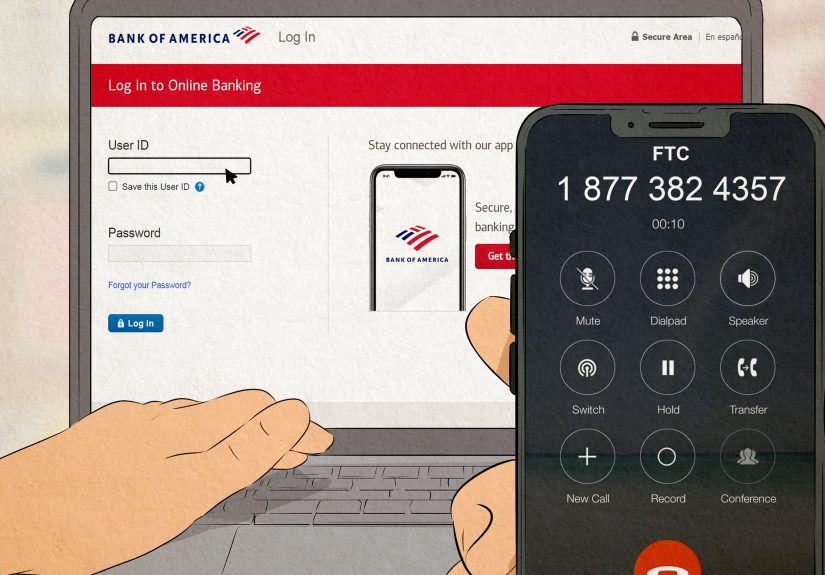
- Contact your bank/card/payment app and report fraud.
- If gift cards were used, call the issuer right away.
- For wire/transfer, ask your bank whether recall/recovery options are still possible.
- Secure accounts: reset passwords and enable MFA.
Quick action can prevent additional losses, especially when scammers try to “double dip” with follow-up requests.
10) Report the Scam Everywhere It Belongs
Reporting helps investigators track patterns and can support broader enforcement.
- Report to the platform where you met the scammer.
- Report to the FTC (consumer fraud reporting).
- Report to IC3 (FBI’s internet crime reporting center).
- If mail, checks, or money orders were involved, report to U.S. Postal Inspection Service.
Also document everything: usernames, phone numbers, payment receipts, wallet addresses, profile screenshots, and chat logs.
Quick Red-Flag Checklist (Save This)
- They profess deep love unusually fast.
- They avoid in-person meetings or live video verification.
- They ask to move chat off-platform quickly.
- They claim a sudden emergency and ask for money.
- They request gift cards, wire transfer, or crypto.
- They suggest “can’t-miss” investment opportunities.
- They pressure secrecy: “Don’t tell anyone about us.”
- They ask for access to your financial accounts or ID documents.
What to Say When You Suspect a Scam (Copy-Paste Scripts)
Boundary script: “I don’t send money or financial info to anyone online. If that’s a deal-breaker, this conversation is over.”
Verification script: “I only continue if we do a live video call and verify basic identity details.”
Exit script: “I’m ending contact now. Do not message me again.”
Experience Corner: Stories and Lessons from Real Scam Patterns (Extended)
Experience 1: “He was perfectuntil every problem needed money.”
A woman in her early 40s matched with someone who seemed respectful, steady, and emotionally available. He never rushed the first week, which made him seem trustworthy. Then came daily affection, long messages, and future plans. In week three, he said he was overseas for work and needed help paying a “temporary customs fee” so he could come home. It was a modest amount, so she paid. Two days later, a second emergency appeared. Then a third. Looking back, she said each request felt small enough to justify, but together they formed a trap. Her biggest lesson was that scammers don’t always begin with a giant request. They begin with a believable one.
Experience 2: “I thought I was helping with a transfer. I almost became a money mule.”
A college student started chatting with a person who claimed to be in a serious relationship with him after a month of nonstop messaging. The scammer asked him to receive money “because my card keeps failing” and forward it through a payment app. He almost did it. A roommate noticed the story sounded off and told him to stop immediately. That second opinion prevented potential legal trouble. His takeaway: if someone you met online asks you to move funds through your account, that’s not romanceit’s risk.
Experience 3: “The investment app looked real.”
A recently retired man met someone on social media who gradually pivoted from friendly chat to financial advice. She showed screenshots of trading profits and encouraged him to start with a small crypto deposit. The account dashboard displayed gains quickly, and he was allowed to withdraw a little early on, which built trust. Later, when he tried to withdraw a larger balance, he was told to pay taxes and “verification fees” first. He realized the platform itself was fake. He described the emotional damage as worse than the financial loss: “I felt tricked twiceonce in money, once in trust.” His advice now: never combine romance and investment decisions, period.
Experience 4: “Shame made me stay quiet too long.”
A young professional recognized red flags but ignored them because she felt embarrassed. The scammer used guilt (“Don’t you trust me?”) and urgency (“I’ll lose everything tonight if you don’t help”). She sent money, then avoided telling family for weeks. When she finally opened up, her support system helped her report the scam, secure accounts, and recover emotionally. She now tells friends that silence is the scammer’s best friend. Speaking up early changes outcomes.
Across these stories, one pattern repeats: scammers exploit normal human strengthskindness, hope, loyalty, empathy. The goal isn’t to become cold; it’s to become structured. Healthy skepticism doesn’t kill romance. It protects it. Real partners respect boundaries, welcome verification, and never ask you to break your own safety rules. So if someone gets angry when you ask basic questions, refuses a simple video call, or keeps inventing emergency payments, trust your instincts and your process.
The most powerful mindset shift is this: fraud prevention is not a personality trait; it’s a system. Use checklists. Use delays. Use second opinions. Use reporting tools. If you follow a process, you don’t have to rely on perfect intuition in emotionally intense moments. And that’s how you outsmart a romance scammer onlineconsistently, calmly, and with your dignity fully intact.
Final Takeaway
If you remember only one line, make it this: never send money, gifts, or crypto to someone you haven’t met in person. The rest is implementationverify identity, slow the tempo, protect your data, and report suspicious behavior fast. Real love can wait for verification. Scammers cannot.