Table of Contents >> Show >> Hide
- 1. Watering Too Often (a.k.a. Loving Your Plants to Death)
- 2. Watering the Wrong Way (Shallow Sprinkles, Midday Showers, and “Leaf Misting”)
- 3. Treating Soil Like “Dirt” (Instead of Your Garden’s Power Grid)
- 4. Picking Plants for the Vibe, Not the Location
- 5. Planting Too Early (and Then Acting Shocked When Nature Does Nature)
- 6. Skipping the Hardening-Off Step (a.k.a. The Seedling Betrayal)
- 7. Planting Too Deep (Seeds, Seedlings, TreesEveryone’s Mad)
- 8. Overcrowding Plants (Then Wondering Why Everything Looks… Tense)
- 9. Mulching Like You’re Frosting a Cupcake (Too Much, Too Close, Too Tall)
- 10. Fertilizing Like “More” Automatically Means “Better”
- Bonus Mistake You’re Probably Making: Dirty Tools and Containers
- A Quick Fix Checklist (Save This for Your Next Garden Session)
- Real-World Garden “Oops” Stories (and What They Teach)
- Conclusion
Gardening is supposed to be relaxing. And yet, many of us treat our plants like they’re enrolled in a chaotic reality show: “Survivor: Backyard Edition.” One day you’re dreaming of baskets of tomatoes. The next day you’re Googling “why do my leaves look like they’ve seen things?”
The good news: most “black-thumb moments” come from a small set of super-common garden mistakes. Fix a few habits especially watering, soil, planting depth, and spacingand your garden suddenly looks like it hired a professional stylist. Below are 10 beginner gardening errors (and not-so-beginner ones) that quietly sabotage your beds, containers, and harvest.
1. Watering Too Often (a.k.a. Loving Your Plants to Death)
Overwatering is the garden mistake that keeps on giving… root rot. When soil stays constantly wet, roots can’t breathe the way they need to. Plants may droop even though the ground is damp (rude, but true), leaves may yellow, and growth slows because the root system is basically stuck in a soggy traffic jam.
What it looks like
- Wilting that doesn’t improve after watering
- Yellowing leaves, especially lower ones
- Mushrooms, algae, or a funky smell near the soil
Do this instead
- Check moisture before watering: stick your finger 1–2 inches into the soil. If it’s still damp, wait.
- Water based on the plant and season: containers dry faster; in-ground beds hold moisture longer.
- Improve drainage: if water sits, your soil is telling you it needs help (more on that in Mistake #3).
2. Watering the Wrong Way (Shallow Sprinkles, Midday Showers, and “Leaf Misting”)
Even if you’re watering the right amount, the method can still be a problem. Quick daily sprinkles encourage shallow roots, which makes plants more vulnerable to heat and drought. Watering in the hottest part of the day wastes water through evaporation. And constantly wet leaves can invite disease, especially when air circulation is limited.
A specific example
Tomatoes watered with frequent light sprays often develop weak root systems and swing between “too wet” and “too dry.” The plant stresses, flower drop increases, and fruit may crack when a dry spell is followed by a big soak.
Do this instead
- Water deeply and less often: soak the root zone so roots grow down, not up.
- Water early morning: less evaporation, and leaves dry faster.
- Aim at the soil, not the leaves: drip irrigation and soaker hoses are MVPs for vegetable gardens.
3. Treating Soil Like “Dirt” (Instead of Your Garden’s Power Grid)
Healthy soil is the difference between a garden that coasts and one that constantly needs rescuing. Many common gardening mistakes start underground: compacted soil, poor drainage, low organic matter, and nutrient imbalances. When roots can’t move easily through the soilor when water either puddles or disappears instantlyplants struggle no matter how much you fuss over them.
What you might be missing
- Organic matter: compost improves structure, moisture management, and microbial life.
- Drainage: some plants hate “wet feet” more than they hate your karaoke.
- pH and nutrients: if you fertilize blindly, you can still be “feeding” plants a diet they can’t use.
Do this instead
- Add compost regularly: think of it as a soil tune-up, not a one-time repair.
- Don’t work wet soil: digging/tilling when it’s wet can create clumps and compaction.
- Consider a soil test: it’s the easiest way to stop guessing and start gardening with receipts.
4. Picking Plants for the Vibe, Not the Location
“Right plant, right place” sounds like something your grandma would say while handing you a sandwich you didn’t ask for. But she’s right. Sun exposure, hardiness zone, heat tolerance, humidity, wind, and microclimates can make or break a plant. The prettiest plant in the garden center will still flop if it’s planted where it doesn’t belong.
Classic mis-match moments
- Full-sun plants stuck in shade and slowly turning into sad noodles
- Moisture-loving plants planted in fast-draining sandy soil without added organic matter
- Plants placed too close together or too close to structures without considering mature size
Do this instead
- Track your sun: “Full sun” usually means 6+ hours of direct sun daily.
- Read the plant tag like it’s a contract: sun, water, spacing, and mature size matter.
- Use microclimates: south-facing walls run warmer; low spots collect cold air and frost.
5. Planting Too Early (and Then Acting Shocked When Nature Does Nature)
Spring fever is real. It convinces sensible adults to put basil outside when nights are still cold, then blame the basil for being “dramatic.” Tender plants don’t just dislike frostthey dislike cold soil, cold wind, and sudden temperature swings. Planting too early can stunt growth for weeks even if the plant survives.
Do this instead
- Use frost dates as a guide, not a dare: “last frost date” is an estimate, not a magical force field.
- Wait for warm soil for warm-season crops: peppers, tomatoes, cucumbers, and basil prefer it consistently warm.
- Protect if you push timing: row covers, cloches, and cold frames can buy you a head start.
6. Skipping the Hardening-Off Step (a.k.a. The Seedling Betrayal)
Seedlings raised indoors live a soft life: stable temps, gentle light, and no wind. Toss them outside suddenly and they can sunburn, wilt, stall out, or die from shock. Hardening off gradually introduces them to real-world conditionssun, wind, and temperature shifts so their tissues toughen up.
Do this instead
- Go gradual for 7–10 days: start with shade and a couple hours outside, then increase exposure daily.
- Watch wind and direct sun: both are more intense than people expect.
- Keep soil evenly moist: not soaked, not bone-dryjust steady while seedlings adapt.
7. Planting Too Deep (Seeds, Seedlings, TreesEveryone’s Mad)
Planting depth is a sneaky garden mistake because it often looks fine on day one. Then weeks or even seasons later, plants struggle. Seeds planted too deep may not have enough energy to reach the surface. Trees and shrubs planted too deep can develop bark problems, poor root structure, and long-term decline because the trunk tissue wasn’t meant to live underground.
Do this instead
- Seeds: follow packet directions; a common rule of thumb is 2–3× the seed’s width.
- Transplants: match the soil line in the pot (with a few exceptions like tomatoes, which can root along buried stems).
- Trees and shrubs: keep the root flare at or slightly above gradedon’t bury the trunk.
8. Overcrowding Plants (Then Wondering Why Everything Looks… Tense)
Overcrowding is the gardening equivalent of trying to host a dinner party where everyone sits in the same chair. Plants packed too tightly compete for light, water, and nutrients. Airflow drops, humidity rises, and diseases spread faster. Yields often decrease because plants spend their energy competing instead of producing.
Signs you’ve got a crowd problem
- Leggy, stretched growth reaching for light
- Powdery mildew or leaf spot showing up “out of nowhere”
- Small fruit, fewer flowers, or weak stems
Do this instead
- Respect spacing guidelines: they’re based on mature size, not baby-plant cuteness.
- Thin seedlings early: yes, it’s emotionally difficult; no, the seedlings won’t file a complaint.
- Prune strategically: especially for tomatoes and vining plantsbetter airflow, fewer problems.
9. Mulching Like You’re Frosting a Cupcake (Too Much, Too Close, Too Tall)
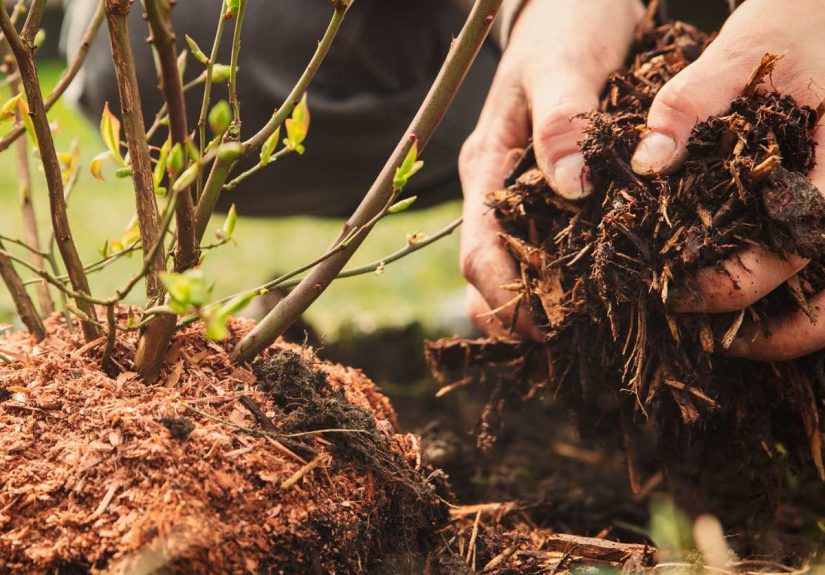
Mulch is fantasticwhen it’s used correctly. It moderates soil temperature, reduces weeds, and helps the soil hold moisture. But too much mulch can reduce oxygen in the root zone, encourage roots to grow where they shouldn’t, and keep bark overly moist when piled against trunks (hello, decay and pests). The infamous “mulch volcano” is not a landscape feature; it’s a plant stress strategy.
Do this instead
- Use the right depth: about 2–3 inches is plenty for most beds.
- Keep mulch off stems and trunks: leave a small gap so bark can stay dry.
- Refresh, don’t bury: if you add new mulch every year, fluff and top updon’t stack indefinitely.
10. Fertilizing Like “More” Automatically Means “Better”
Over-fertilizing is one of the most common garden mistakes because it feels productive. But excess fertilizer can lead to salt buildup, reduced water uptake, leaf scorch, and stunted growth. Too much nitrogen can create huge leafy plants that take forever to flower or fruit (looking at you, tomato plants with the confidence of a jungle but the productivity of a teenager asked to do dishes).
Do this instead
- Start with soil health: compost improves fertility without the “burn” risk of overdoing salts.
- Follow label rates exactly: fertilizer is chemistry, not seasoning.
- Match the fertilizer to the goal: leafy greens want different nutrition than fruiting crops.
- Be careful with manure: use properly composted/aged manure and apply thoughtfully to avoid nutrient overload.
Bonus Mistake You’re Probably Making: Dirty Tools and Containers
This one doesn’t get as much spotlight as watering or fertilizer, but it mattersespecially if disease shows up. Dirty pruners, stakes, pots, and trays can spread pathogens from plant to plant. If you’ve ever wondered how one sick plant became three sick plants, your tools may be telling on you.
Do this instead
- Clean first, disinfect second: scrub off soil and plant gunk so disinfectants can actually work.
- Disinfect during outbreaks: wipe or dip pruners between plants when disease is present.
- Don’t forget seed trays and pots: containers can carry issues forward season to season.
A Quick Fix Checklist (Save This for Your Next Garden Session)
- Water only when soil needs it, and water deeply.
- Improve soil structure with compost and avoid working soil when wet.
- Plant the right plant for your sun, zone, and space.
- Time planting around temperaturenot just calendar dates.
- Harden off seedlings gradually.
- Plant at proper depth (root flare visible on trees/shrubs; correct depth for seeds).
- Thin and space plants for airflow and healthier growth.
- Mulch 2–3 inches, and keep it away from stems/trunks.
- Fertilize lightly, accurately, and based on needs.
- Clean and disinfect tools and containers, especially when disease appears.
Real-World Garden “Oops” Stories (and What They Teach)
To make these lessons feel less like a lecture and more like a group chat confession, here are a few common “garden experience” scenarios gardeners reportcomposite stories based on real patterns people run into every year. If any of these feel familiar, congratulations: you’re officially a gardener.
The Daily Watering Ritual: Someone plants a row of peppers, then waters every single day because it feels responsible. Two weeks later, the peppers look tired, leaves start yellowing, and growth stalls. The soil never gets a chance to breathe. The fix usually isn’t “more water” (which is the temptation). It’s fewer watering sessions, deeper soaking, and sometimes loosening compacted soil or improving drainage. Once the schedule shifts to “water when needed,” the plants often rebound with sturdier stems and better flowering.
The Mulch Volcano Makeover: A well-meaning gardener piles mulch high around a young tree to “protect it.” It looks neatlike a fancy landscape photountil the trunk stays damp and the tree starts declining. The lesson is painfully simple: mulch should cover soil, not hug bark. Pull mulch back so it doesn’t touch the trunk, keep depth reasonable, and let the root flare do its job. This small adjustment can prevent years of slow decline.
The Seedling Shock Incident: Seedlings grow under lights indoors, thick and green. Then a warm afternoon arrives and the gardener moves them straight into full sun “just for a little bit.” By evening, leaves are bleached or crispy, and the seedlings look personally offended. Hardening off is basically plant sunscreen training: start with shade, short exposure, and gradual increases. When gardeners follow the slow-and-steady approach, transplants establish faster and don’t sulk for two weeks after planting.
The Overcrowded Salad Bar: Greens are seeded heavily because “more seeds = more salad,” right? The bed becomes a dense mat of seedlings. They stretch, airflow disappears, and mildew arrives like it had a calendar invite. Thinning feels wasteful, but it’s the difference between a weak, disease-prone patch and a productive bed. Many gardeners find that thinning early (even using the thinnings as microgreens) makes the process feel less tragic and more delicious.
The Fertilizer Confidence Spiral: Plants look slow, so the gardener adds fertilizer. Then adds more. Then wonders why leaf tips brown and plants seem stressed. Over-fertilizing can act like dehydration because salts interfere with water uptake. The better move is to confirm what the plant actually needsoften by improving soil with compost, checking moisture, and fertilizing at labeled rates. When gardeners shift from “more” to “right amount,” they usually see steadier growth and better fruiting.
The point of these stories isn’t to shame anyone (gardening already humbles us for free). It’s to show how fast results improve when you fix the root cause instead of chasing symptoms. Most garden mistakes are just habits. And habits are fixablesometimes in a single weekend.
Conclusion
If your garden has been testing your patience, it doesn’t mean you’re “bad at gardening.” It usually means you’ve been repeating one or two common gardening mistakeswatering too often, skipping soil prep, planting too early, crowding plants, over-mulching, or over-fertilizing. The fix is rarely complicated, but it is specific: water deeply (not constantly), build better soil, match plants to conditions, plant at the right time and depth, give plants breathing room, mulch responsibly, fertilize carefully, and keep tools clean.
Make those changes, and your garden stops feeling like a mystery and starts feeling like a system you actually understand. And that’s when gardening gets funthe kind of fun where you’re harvesting tomatoes instead of writing apology letters to them.