Table of Contents >> Show >> Hide
- Why Late-Night Eating Is a Bigger Deal Than It Looks
- 1. Eat Enough (and Better) During the Day
- 2. Set a Gentle Kitchen Curfew (Not a Food Jail)
- 3. Build a Wind-Down Routine That Doesn’t Involve the Pantry
- 4. Upgrade Your Sleep Game
- 5. Identify Your Real Triggers (No, You’re Not Just “Undisciplined”)
- 6. Practice the 10-Minute Delay & Mindful Check-In
- 7. Pre-Plan a Smart Night Snack (For Real Hunger)
- 8. Fix Your Food Environment (The Silent Boss of Your Habits)
- 9. Use Strong Cues: Brush, Rinse, Done.
- 10. Know When It’s More Than a Habit
- Putting It All Together: A Simple Night Routine Blueprint
- Real-Life Experiences: How These Strategies Actually Work
- Wrap-Up: You’re In Charge (Not the Snack Drawer)
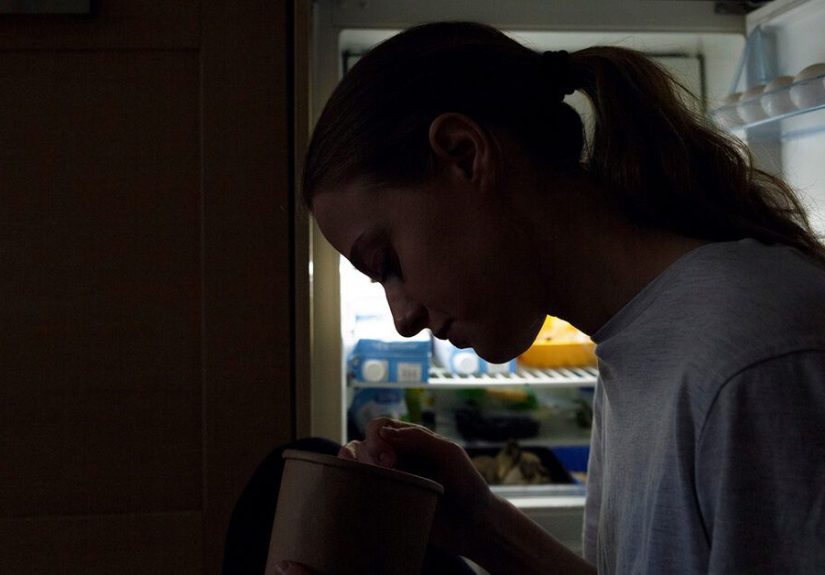
If your evenings look like this: promise to “be good,” eat a decent dinner, open Netflix “for one episode,” and suddenly you’re elbows-deep in chips at 11:47 p.m… welcome, you are extremely normal.
The problem isn’t that you’re weak or “bad.” Late-night eating is a habit loop wired by biology (hormones, blood sugar, fatigue) plus environment (so many snacks) plus emotions (hello, stress, boredom, loneliness). The good news? You can break it without misery, weird detoxes, or throwing away every cookie in your home.
Below are 10 clever, realistic, science-backed ways to stop eating late at night, protect your sleep, support healthy weight management, and finally feel in control of your cravings.
Why Late-Night Eating Is a Bigger Deal Than It Looks
Eating most of your calories late at night has been linked with increased hunger, changes in appetite hormones, more fat storage, and impaired glucose tolerance, which over time may contribute to weight gain and metabolic issues. It can also aggravate heartburn, disrupt sleep, and make mornings feel like a food hangover instead of a fresh start.
None of this means a single 10 p.m. snack is a disaster. It means your pattern matters. Shift the pattern, change the result.
1. Eat Enough (and Better) During the Day
Starving all day, snacking all night is not a personality; it’s a blood sugar crash.
One of the biggest drivers of late-night snacking is under-eating or unbalanced eating earlier. If lunch was coffee plus vibes, of course your body starts screaming for calories at 9–10 p.m.
- Include protein, fiber, and healthy fats at each meal (think eggs or Greek yogurt at breakfast, chicken and veggies with whole grains at lunch, beans or tofu, fish, or lean meat at dinner).
- Aim for regular meals every 3–5 hours to keep blood sugar and appetite steady.
- If evenings are your danger zone, make your afternoon snack legit: an apple with peanut butter, hummus and veggies, nuts with fruit, or yogurt with berries.
When your body is properly fueled, “willpower” becomes a lot less necessary.
2. Set a Gentle Kitchen Curfew (Not a Food Jail)
Instead of an extreme rule like “never eat after 6 p.m. or I’ve failed,” create a realistic “kitchen closing” time that fits your lifeoften 2–3 hours before bed.
- After that time: no grazing in front of the fridge, no wandering with a spoon into the peanut butter.
- Keep it flexible: if you’re truly hungry (stomach growling, low energy), a small, balanced snack is allowed. The curfew is to stop mindless nibbling, not ignore genuine hunger.
This simple boundary trains your brain to unlink “bored at night” from “let’s eat.”
3. Build a Wind-Down Routine That Doesn’t Involve the Pantry
Most late-night eating isn’t about hunger; it’s about transition. You’re tired, stressed, or wired from the day, and food becomes the off-switch.
Replace that with a short, predictable wind-down ritual:
- Make a caffeine-free herbal tea or warm lemon water.
- Take a hot shower, do skincare, stretch for 5–10 minutes.
- Read, journal, or listen to a podcast instead of scrolling next to an open snack bag.
When your brain learns, “It’s 9:30, we do tea + book,” it stops yelling, “It’s 9:30, we do ice cream.”
4. Upgrade Your Sleep Game
Short sleep and poor-quality sleep are strongly linked to increased hunger and cravings, especially for high-sugar, high-fat foods. Being exhausted at 11 p.m. makes snacks feel like survival.
- Aim for a consistent sleep and wake time across the week.
- Dim lights at night, keep screens out of bed if possible.
- Avoid heavy, greasy, or very large meals right before lying down.
Better sleep = more stable hunger hormones = fewer “I need cookies or I’ll die” moments.
5. Identify Your Real Triggers (No, You’re Not Just “Undisciplined”)
Ask yourself: “What is actually happening before I raid the kitchen?” Common culprits:
- Stress or anxiety: using food to decompress.
- Boredom: nothing else going on, so…snacks.
- Loneliness: eating to fill emotional space.
- Restrictive dieting: all-day “good” behavior leads to rebound overeating at night.
Try this simple move: when you want to eat late, pause and write one sentence: “Right now I’m feeling ______ and wanting ______.” Often, you’ll see you’re craving comfort, distraction, or a break, not actual fuel. That awareness alone weakens the autopilot snack habit.
6. Practice the 10-Minute Delay & Mindful Check-In
Instead of going from thought (“Ice cream!”) to action (spoon in hand) in three seconds, insert a 10-minute delay:
- Drink a glass of water or herbal tea.
- Do something else: shower, text a friend, fold laundry, step outside.
- If you still genuinely want the snack after 10 minutes, have a portion, seated, on a plate, no guilt.
This is a practical version of “urge surfing” and mindful eating: cravings peak, then fall. Many fade if you give them a chance instead of obeying instantly.
7. Pre-Plan a Smart Night Snack (For Real Hunger)
If you go to bed very late, train hard in the evening, or eat an early dinner, some late hunger is legit. The solution is control, not chaos.
Choose one pre-decided, balanced option around 150–250 calories that combines protein + fiber or protein + complex carbs, such as:
- Greek yogurt with a few berries.
- Cottage cheese and sliced fruit.
- Whole-grain toast with peanut or almond butter.
- Carrot sticks and hummus.
Serve it in a bowl, sit down, eat slowly. When the choice is intentional, it stops being a “binge” and becomes a strategy.
8. Fix Your Food Environment (The Silent Boss of Your Habits)
Your environment beats willpower at 11 p.m. every time. Make it work for you:
- Keep high-sugar, high-crunch “trigger foods” out of visible, easy reach. Put them on a high shelf or don’t buy them often.
- Keep cut fruit, veggies, and protein snacks ready to go.
- Don’t eat straight from the bag while scrolling; if you snack, portion it out.
When your default option isn’t a family-size chip bag, you’ve already won half the battle.
9. Use Strong Cues: Brush, Rinse, Done.
Brushing your teeth after your last planned snack or dinner is a surprisingly powerful “kitchen is closed” signal.
- Minty fresh mouth makes late nachos less appealing.
- Pair it with turning off kitchen lights and clearing counters.
The goal is to teach your brain: “We did food. Next chapter is rest.”
10. Know When It’s More Than a Habit
If you often:
- Wake up multiple times a week to eat.
- Feel out of control around food at night.
- Hide what or how much you eat.
- Use food to cope with intense emotions regularly.
it might be more than casual late-night snacking. Conditions like night eating syndrome, binge eating disorder, or unmanaged anxiety or depression deserve real support. A registered dietitian, therapist, or healthcare provider can help you with tools beyond DIY tips. That’s strength, not failure.
Putting It All Together: A Simple Night Routine Blueprint
Use this as a realistic template (tweak for your life):
- Daytime: Eat balanced meals and a solid afternoon snack.
- Dinner: Within 3–4 hours of bed, with protein, fiber, and healthy fat.
- After dinner: One intentional snack if needed → plate, sit, enjoy.
- Kitchen curfew: Set a time. Lights off, surfaces cleared.
- Teeth brushed: Physical “we’re done.”
- Wind-down: Shower, stretching, reading, journaling, or connecting with someoneno snacking add-on.
Follow this most nights, and you’ll notice fewer cravings, less guilt, and more trust in yourself around food.
Real-Life Experiences: How These Strategies Actually Work
Behavior change sounds great on paperreal life is messier. Here’s how these ideas tend to play out when actual humans try them.
The “All-Day Angel, 11 p.m. Goblin” Worker: Skipped breakfast, rushed lunch, tiny dinner. By 10:30 p.m., demolished a bag of chips plus ice cream and woke up bloated and annoyed. Once they started eating breakfast with protein, packing a decent lunch, and having a real afternoon snack, their late-night cravings dropped dramatically. The “problem” wasn’t willpower; it was under-fueling.
The Netflix Grazer: Late-night food was just part of the show. They set a 9 p.m. kitchen curfew, made herbal tea their “scrolling drink,” and pre-portioned a single snack bowl if they really wanted something. Within two weeks, auto-pilot grazing became rareand when it happened, it was intentional, not a mindless blur.
The Stress Eater: Used snacks as a way to turn down the volume on work anxiety. Instead of trying to “just stop,” they added a five-minute journaling habit and a short walk or stretch before opening the pantry. Often, by the end, the urge had softened, or they chose a smaller, more satisfying snack instead of a full-on binge. Food slowly shifted from “emotional band-aid” to “occasional comfort,” which is a huge win.
The Fitness-Obsessed Night Snacker: Heavy evening workouts left them legitimately hungry. Once they allowed a structured, protein-rich snacklike Greek yogurt with fruit or eggs on toastpost-workout, they stopped raiding the cereal box three times “by accident.” Planning removed the shame spiral.
The All-or-Nothing Perfectionist: One late cookie meant, “I blew it, might as well keep going.” They practiced the 10-minute delay and a neutral self-talk rule: no moral judgment, just “What do I need right now?” That shift helped them enjoy a single portion and move on, instead of turning a moment into a meltdown.
The common thread across all these stories: success didn’t come from suffering or strict bans. It came from small, boring, powerful movesbetter daytime nutrition, gentle boundaries at night, emotional awareness, and environments set up for success. You don’t need to be perfect; you just need to be more intentional than your snack stash.
Wrap-Up: You’re In Charge (Not the Snack Drawer)
Stopping late-night eating isn’t about punishing yourself; it’s about supporting your body so it doesn’t have to beg for energy or comfort at midnight. When you fuel well during the day, create simple boundaries at night, and address the real reasons you wander into the kitchen, late-night snacking loses its power.
Start with one or two strategies from this list, stay curious (not cruel) with yourself, and adjust as you go. Your evenings can feel lighter, calmer, and a lot less crunchy.
SEO Summary
sapo: Late-night snacking doesn’t mean you’re weakit means your hunger, habits, and emotions are teaming up after dark. This in-depth guide breaks down how late-night eating affects weight, sleep, and energy, then gives you 10 clever, sustainable, and science-backed strategies to stop overeating at night without harsh rules or guilt. From smarter daytime meals and kitchen curfews to mindful cravings management and real-world examples, you’ll get practical tools you can use tonight to take back control.